

WATCH NOW
Watch on the app












Los Angeles Union Station travelers face measles warning after possible exposure
-
Measles symptoms exposure represents a hidden public health challenge because unvaccinated passengers navigate bustling regional transit hubs without immediate awareness of contagion risks.
-
Public health authorities issue urgent medical alerts across municipal transit systems after confirming passenger contagion periods during weekend train schedules.
-
Community protection strategies depend on immediate symptom monitoring and widespread vaccination compliance to prevent severe localized disease outbreaks.
Travelers in Los Angeles face potential health risks after health officials confirm a measles exposure incident involving an infected passenger aboard a regional transit service over the weekend; public health agencies urge residents and visitors to review vaccination records carefully while remaining vigilant for early clinical indicators, considering that measles symptoms exposure requires immediate attention.
Details of exposure at Union Station and risks for travelers in Los Angeles
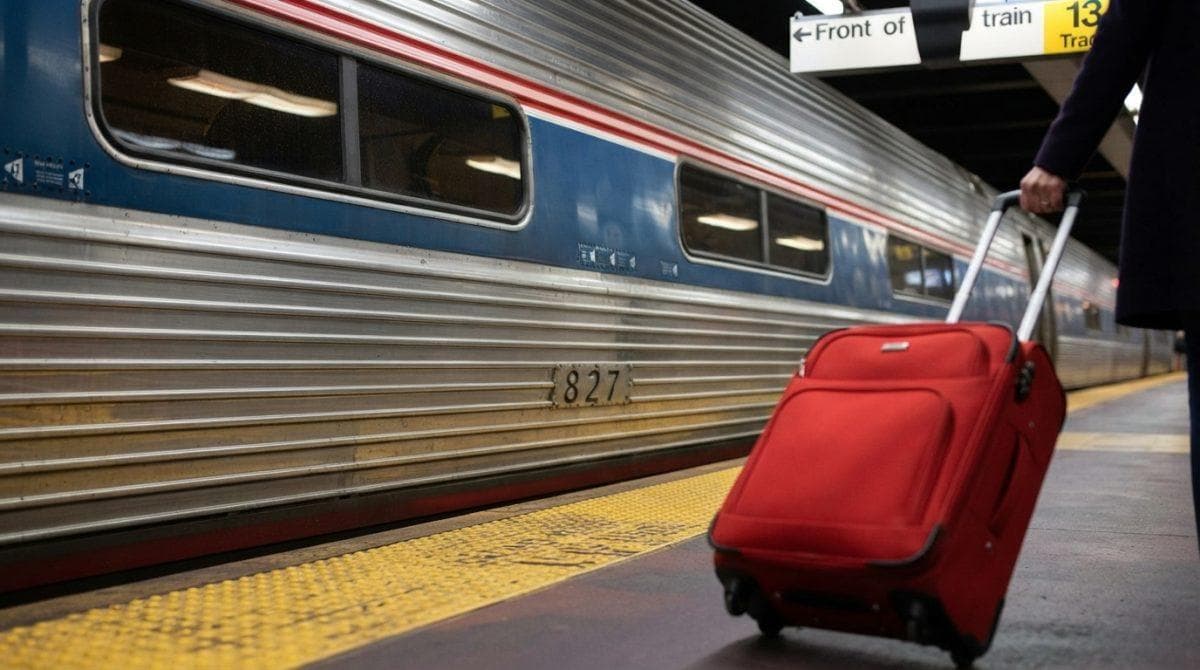
Health personnel warn this Friday that travelers at Union Station may have been exposed to measles by an infected passenger during a 4-hour window last weekend on a train, specifying that the infected passenger, whose identity remains undisclosed, arrived at Union Station on Amtrak’s Southwest Chief Train 3 at 7:03 a.m. on Saturday, September 12 and departed at 10:55 a.m. on Amtrak Thruway bus route 5717 bound for Bakersfield, reflecting how measles symptoms exposure impacts the community.
Individuals present at Union Station between 8:00 a.m. and noon on Saturday face potential measles contraction risks spanning 7 to 21 days following exposure, according to Los Angeles County Department of Public Health officials; likewise, the California Department of Public Health and the Centers for Disease Control and Prevention collaborate with county personnel to inform passengers seated near the infected traveler on the train or bus about the risk of contracting measles, while individuals who already had measles or received the recommended vaccine likely enjoy protection but must remain alert for symptom onset.
Unvaccinated individuals or those with unknown measles vaccination status face elevated risks and must monitor for disease symptoms, remembering that amid rising measles cases it remains important for residents to ensure complete protection through preventive measures, as noted by Los Angeles County health official Dr. Muntu Davis, who adds that the MMR vaccine info constitutes the safest and most reliable way to prevent measles; local clinics prepare specialized intake procedures to evaluate suspected measles cases safely without exposing waiting room populations.
Clinical symptoms and prevention protocols for public safety
Measles transmits through the air when an infected person breathes, talks, coughs or sneezes, and early clinical indicators include fever, cough, runny nose, red watery eyes, alongside a rash typically appearing 3 to 5 days after other symptoms; subsequently, a characteristic maculopapular rash develops on the face before spreading downward to the torso and extremities, signaling a critical phase requiring immediate medical consultation, while measles symptoms exposure becomes the core of the alert.
Ver esta publicación en Instagram
Public Health recommends that symptomatic individuals stay home, avoid school, work and gatherings, and call a healthcare professional immediately, advising potentially exposed individuals against visiting healthcare facilities without calling ahead; unvaccinated individuals encounter extreme vulnerability when finding airborne viral particles left in enclosed spaces by contagious travelers and public health experts stress that prevention relies heavily on community immunization rates.
The Los Angeles County Department of Public Health reports that two doses of the measles, mumps, and rubella vaccine provide 97% efficacy against measles, whereas a single dose provides 93%, establishing comprehensive immunization as the most effective individual defense; nationwide reports through Friday document 3,471 cases and 4 associated fatalities this year alongside 39 outbreaks, while regional hospitals report heightened surveillance measures to track potential secondary cases.
Institutional collaboration and ongoing surveillance measures
-
State and federal agencies unite to analyze transit passenger manifests and issue widespread public safety warnings across digital platforms, while epidemiological teams monitor incubation windows extending up to 21 days to ensure comprehensive coverage of all potentially impacted populations facing any measles symptoms exposure.
-
Community healthcare networks ramp up vaccine distribution through mobile clinics and community outreach programs designed to boost overall population immunity rapidly, and officials remind the public that maintaining rigorous vaccination standards provides the only reliable defense against recurring preventable disease outbreaks, ensuring that travelers in Los Angeles remain fully informed and safe.
-
Emergency preparedness task forces coordinate closely with municipal transit operators to sanitize exposed public spaces thoroughly and public health laboratories expedite diagnostic testing for patients presenting with classic measles symptoms to confirm diagnoses swiftly; officials evaluate comprehensive regional vaccination data to identify vulnerable neighborhoods requiring targeted immunization campaigns.
According to health officials, the last day to monitor for the appearance
of symptoms is October 3 for all travelers in Los Angeles
