

WATCH NOW
Watch on the app













New York resets a key SNAP rule and some people who lost benefits can reapply
-
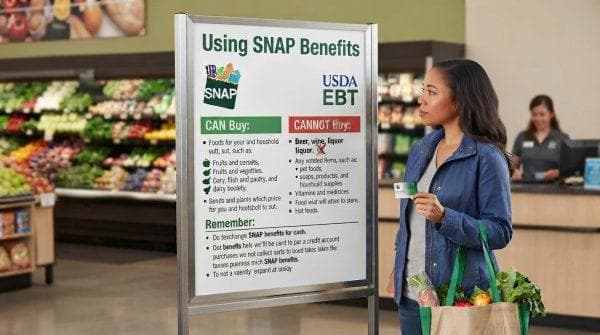
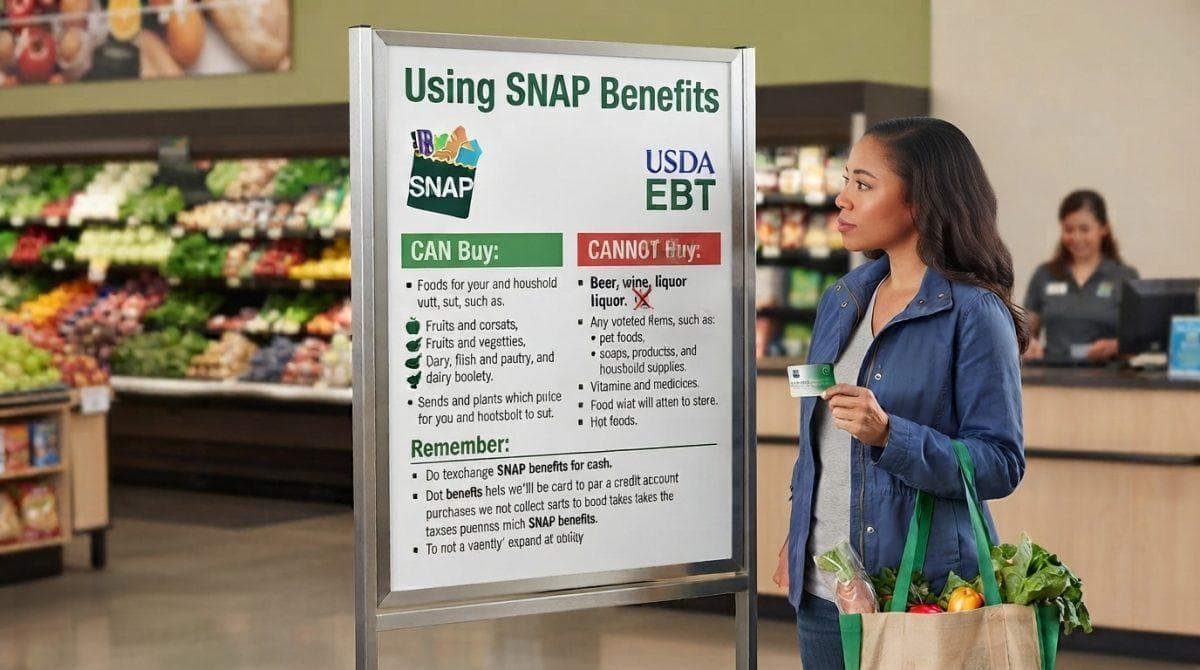
Food assistance benefits allow qualified residents to restart nutritional support smoothly under updated federal standards.
-
Able bodied adults without dependents who missed mandatory work hours can submit new applications starting October 1, 2026, across local municipal districts.
-
Administrative offices process reapplication files while managing individual work exemptions and updated monthly assistance allocations.
NYC restores SNAP rule opens fresh opportunities for local residents since municipal authorities initiated a new 3 year compliance cycle on October 1, 2026, consequently, thousands of capable adults reclaim the right to file fresh applications for essential nutritional support following previous benefit interruptions, thereby securing food assistance benefits.
Federal regulations impose strict work guidelines on adult recipients without dependents, yet city agencies oversee the restoration of standard eligibility windows through structured reapplication protocols via the NYC HRA portal, meanwhile, municipal administrators schedule continuous case reviews for October 2026 to evaluate household files and authorize correct monthly food allowances.
How eligible groups can apply as NYC restores SNAP rule for vulnerable communities
-
Able bodied adults without dependents: Individuals known as ABAWDs who previously exhausted their strict 3 month benefit limit experience a complete compliance reset thanks to the rule erasing pre October 2026 violations, thereby restoring food assistance benefits.
-
Five borough residents: Citizens who lost nutritional assistance due to unfulfilled work hours qualify immediately for this reopening phase through a fresh application.
Municipal guidelines protect individuals who maintain approved exemptions from mandatory employment activities while caseworkers at HRA evaluate each applicant profile individually, however, recipients must complete a formal reapplication because financial support does not resume automatically through default administrative actions, allowing someone who lost food assistance benefits after accumulating 3 months of noncompliance to file a new request and secure 3 fresh grace months even without fulfilling work obligations immediately.
Ver esta publicación en Instagram
Essential criteria and documentation needed for filing a new application
Applicants must satisfy current household income thresholds and submit verification records through ACCESS HRA, postal mail or authorized representatives to establish active reapplication standing, additionally, municipal representatives encourage participants to review specific employment guidelines requiring at least 80 hours of monthly job activities or approved training programs to maintain food assistance benefits.
Community support channels remain open via dedicated phone lines at 718 557 1399 from Monday through Friday between 8:00 a.m. and 5:00 p.m. for individuals seeking guidance on paperwork requirements and exemption rules, furthermore, the HRA labor requirements guide includes multilingual forms, options for reporting studies or job searches and a digital volunteer hours calculator to facilitate compliance, ensuring uninterrupted access to food assistance benefits.
Maximizing food benefits and navigating compliance obligations across municipal networks
-
Eligible residents complete applications online via ACCESS HRA or submit paperwork through authorized representatives to restart monthly food assistance securely before the September 30, 2029 deadline, thus guaranteeing food assistance benefits over the long term.
-
Updated maximum benefit structures require specific volunteer hour calculations, shifting requirements from 17 hours to 18 hours monthly based on adjusted monetary allocations that raised maximum amounts from $298 to $306 using a $17 per hour formula.
-
Local social service centers process work exemption inquiries and log documentation during standard business hours from Monday through Friday to prevent benefit reductions or suspensions starting in January 2027 following noncompliance spikes across October, November and December 2026.
Participating households monitor monthly compliance hours closely to prevent future benefit suspensions, especially since previous noncompliant months stop counting while updated monetary limits alter specific volunteer formulas, likewise, proactive communication with municipal caseworkers secures sustainable access to nutritional support and builds lasting bridges toward community stability under NYC restores SNAP rule.
