

WATCH NOW
Watch on the app













Texas judge stops new border barriers already under construction in Big Bend
-
US District Judge Kathleen Cardone issued a preliminary injunction pausing border construction activities.
-
Environmental groups and local landowners successfully argued potential irreparable harm to the region.
-
The ruling covers five hundred seventeen miles along the Big Bend sector near the Rio Grande.
A federal judicial ruling has temporarily halted the construction of new border barriers and associated infrastructure throughout the ecologically sensitive Big Bend region in Texas. US District Judge Kathleen Cardone issued a preliminary injunction ordering the federal government to immediately cease all construction activities and ground altering operations across the sector. The decision comes after plaintiffs successfully demonstrated that the ongoing Department of Homeland Security project posed severe and irreversible damage to local natural habitats and historical cultural sites.
Ver esta publicación en Instagram
Legal challenges brought by conservation groups
The lawsuit was formally filed by the Center for Biological Diversity, Friends of the Ruidosa Church and local property owners who rely on the river ecosystem. Plaintiffs challenged federal decisions that bypassed environmental protection statutes and historic preservation guidelines to accelerate construction schedules. Following an extensive hearing in El Paso, Judge Cardone concluded that the plaintiffs showed a reasonable likelihood of prevailing on at least one of their core legal claims, justifying the immediate pause on physical development.
Scope of the injunction and affected territories
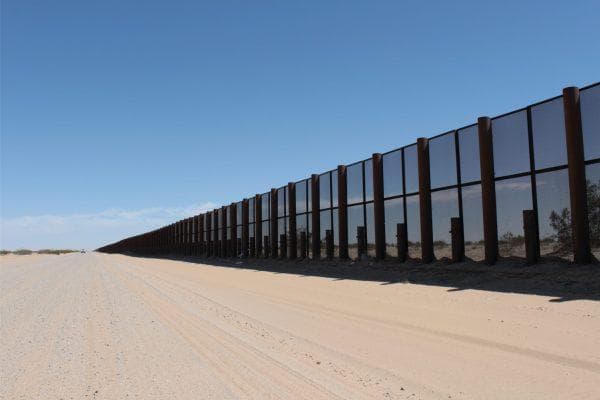
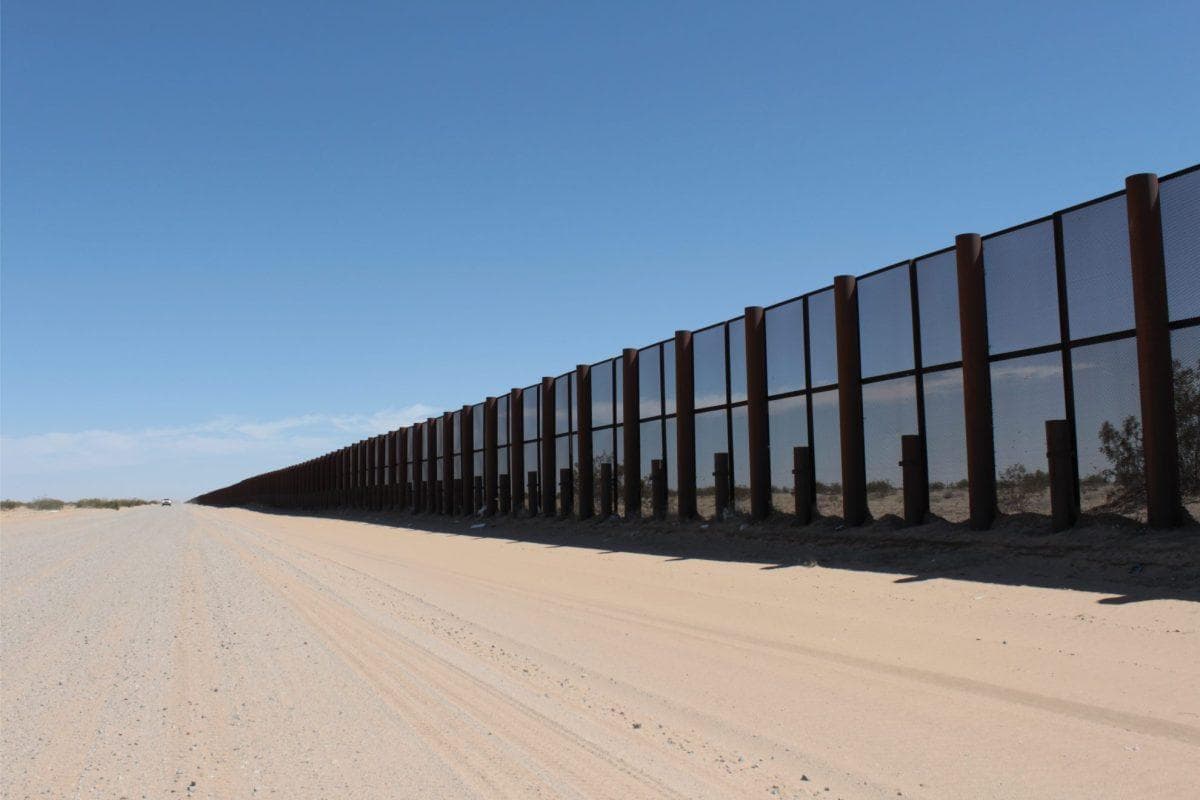
The court order covers a vast expanse within the West Texas border sector, which encompasses roughly five hundred seventeen miles overseen by United States Customs and Border Protection. The injunction applies to protected public lands including Big Bend National Park and Big Bend Ranch State Park along the Rio Grande corridor. Government plans for the area included installing thirty foot steel bollard fences on private lands alongside vehicle barriers, access roads and high tech surveillance systems funded through multi billion dollar border contracts.
Ver esta publicación en Instagram
Department arguments and ongoing judicial process
Federal authorities defended the necessity of the infrastructure project by classifying the Big Bend sector as a high entry location requiring heightened security measures and rapid barrier deployment. The Department of Homeland Security maintained that legal waivers were necessary to expedite border security enhancements without administrative delays. However, this preliminary injunction suspends the effect of those waivers while litigation continues, leaving the ultimate fate of the regional border wall project to be decided in future court proceedings.
