

WATCH NOW
Watch on the app












Living in Arizona comes with hidden health risks for Latinos and extreme heat tops the list
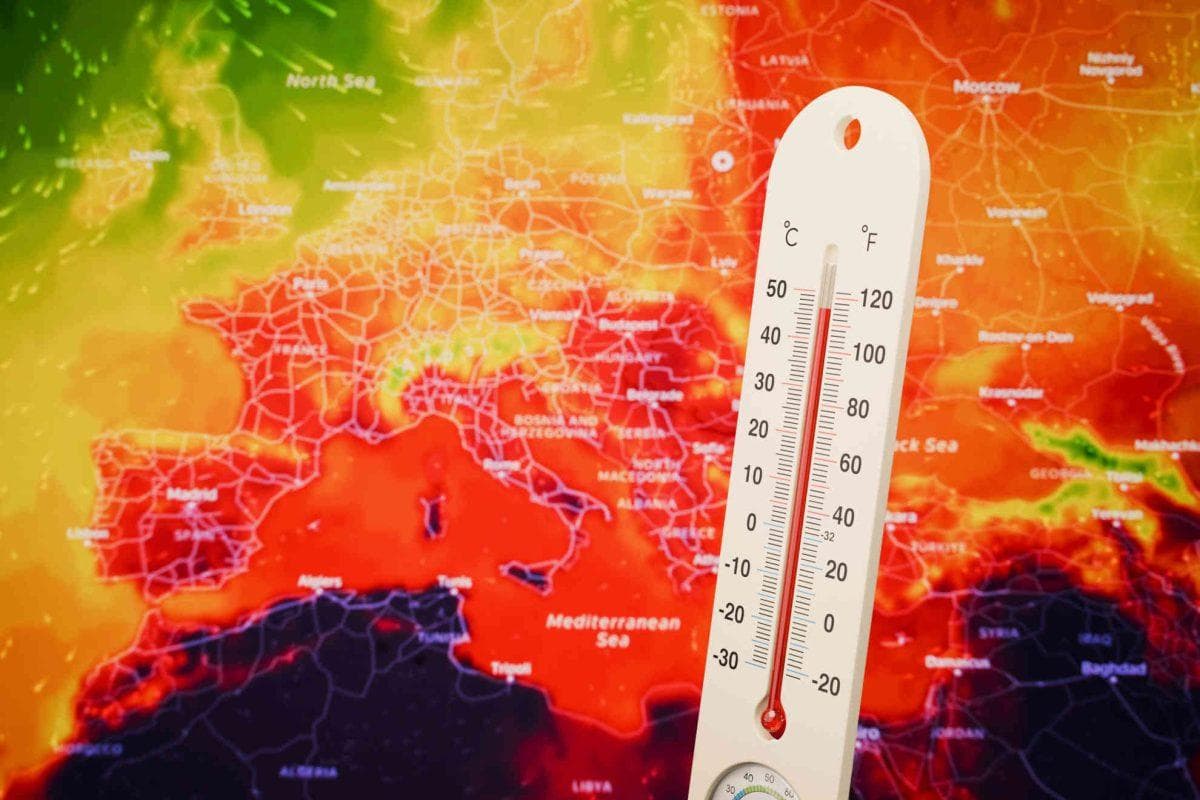
- The DATOS 2026 Report indicates that fifty-seven percent of surveyed Latinos in Maricopa County report that extreme heat and pollution frequently affect their health.
- Hispanic workers face double the likelihood compared to non-Hispanic Arizona residents of holding outdoor jobs with high heat exposure, particularly in sectors like construction and agriculture.
- The severity of this climatic and environmental situation deeply influences the community’s choices regarding where to live and raise their families in The United States.
The invisible impact of extreme heat and pollution on the Latino community in Arizona
Blistering desert temperatures and extreme heat stand out as major concerns for the Latino community residing in The United States, where extreme heat directly conditions the daily health and well-being of residents. According to the results of the DATOS 2026 Report released by the Arizona Hispanic Chamber of Commerce, fifty-seven percent of surveyed Latinos warn that extreme heat and pollution issues constantly harm their health or that of their loved ones; this environmental landscape gains greater relevance considering that Arizona recorded an average temperature last year noticeably higher than the rest of The United States, placing counties like Maricopa, Yuma, and Pima under an alarming climatic vulnerability that demands immediate attention from health and government authorities.
Labor risks and high heat exposure faced by Latino workers
Furthermore, vulnerability to high temperatures is not limited to the domestic environment, but strongly extends to workplaces where workers from the Latino community in The United States endure grueling shifts under the sun. Similarly, data provided by the thirtieth edition of the report indicates that Latino employees are twice as likely as non-Hispanics to work in industries with high heat exposure, such as construction and agricultural tasks in the Phoenix Arizona metropolitan area. Likewise, the severity of the problem reflects in mortality statistics linked to extreme heat in Maricopa County, which demonstrate that adverse environmental conditions in the United States territory disproportionately affect the local population, demanding stricter public policies to protect the health of those sustaining the regional economy beneath the relentless sun.
Environmental quality as a decisive factor for the future of Latino families
Facing this scenario of extreme heat and atmospheric deterioration, air quality and climate transformed into decisive elements when families within the Latino community evaluate their permanence in The United States. According to the study, eighty-one percent of respondents consider the environmental environment extremely relevant when deciding where to work, live or raise their children within the state due to health reasons. Thus, extreme heat and pollution in The United States and in Arizona transcend simple weather forecasts to become structural crises impacting the social and economic stability of thousands of Latinos seeking to protect their health and future.
