

WATCH NOW
Watch on the app












NYC is changing how it handles extreme cold after a winter that pushed the city to its limits
-
Winter weather response protocols expand through multi million dollar investments designed to protect vulnerable residents during severe freeze events.
-
Municipal sanitation services expand specialized equipment fleets to clear major travel routes throughout upcoming operations.
-
Weather forecasts anticipate shifting precipitation patterns while city agencies streamline emergency shelter protocols across all five boroughs.
Mayor Zohran Mamdani and city officials initiate comprehensive winter preparations across all five boroughs where thousands of municipal workers execute a $25M operational strategy, which explains why managing extreme cold in New York remains a top operational priority following a previous winter season that pushed urban infrastructure to its absolute limits.
Building on these operational investments, city leadership announced expanded services to protect unhoused residents, open additional warming centers and accelerate snow removal across all neighborhoods; consequently, the updated strategy strengthens municipal street operations as of October 2026 to ensure public safety before severe freezing temperatures arrive.
Furthermore, municipal authorities allocate these additional funds to prevent low temperatures from escalating into full scale public emergencies; subsequently, outreach teams prioritize high risk vulnerable populations who face severe health risks when heavy snow and ice accumulate along public thoroughfares.
NYC strengthens Code Blue protocols during extreme cold in New York
To address these immediate health risks, local government agencies expand emergency Code Blue protocols; consequently, city health workers deploy to deliver immediate medical care, facilitate safe transfers and coordinate the overall winter weather response across vulnerable communities.
Expanded outreach personnel
More than 300 additional outreach workers actively canvas public parks, subway stations and street corners; furthermore, specialized field teams focus on high density areas where unhoused individuals frequently gather during severe freeze events, aiming to reach 75% of targeted street locations where unhoused residents seek shelter while up to 55 WARM mobile units equipped with nurses provide field evaluations and immediate transportation to safe facilities across all five boroughs, where city officials designate at least three hospitals as emergency warming centers with the capacity to open all 11 NYC Health + Hospitals facilities during severe crises.
-
Targeted street outreach: Dedicated field teams focus on high density areas to protect vulnerable individuals facing extreme cold in New York.
-
Mobile medical assistance: Up to 55 WARM mobile units equipped with nurses provide essential field evaluations and immediate transportation during active winter weather response operations.
-
Hospital shelter network: City officials designate at least three hospitals as emergency warming centers with the capacity to open all 11 NYC Health + Hospitals facilities during severe crises.
Enhanced emergency shelter capacity
In addition to field deployment, the municipal administration expands its temporary shelter footprint by adding eight specialized care centers, four new warming facilities and 20 climate controlled buses that serve as mobile warming stations; consequently, municipal planners secure 800 additional shelter beds to accommodate rising demand during prolonged cold snaps.
-
Low barrier housing expansion: Authorities add 800 single and double occupancy beds featuring reduced entry requirements to encourage immediate shelter adoption.
-
Mobile warming units: Transport buses deploy strategically to deliver temporary relief in neighborhoods facing severe wind chills during ongoing winter weather response deployment.
-
Community care centers: Dedicated facilities provide warm emergency meals alongside medical checks and social service referrals throughout the winter months.
Furthermore, these emergency shelter enhancements ensure continuous housing protection whenever arctic air masses settle over the metropolitan region.
Municipal sanitation fleets upgrade winter weather response operations
Parallel to shelter efforts, the New York City Department of Sanitation (DSNY) prepares an extensive fleet of specialized vehicles to clear roadways, crosswalks, and bike corridors; accordingly, sanitation crews maintain clear transit pathways while driving an efficient winter weather response across all five boroughs.
Equipment and workforce deployment
DSNY officials mobilize more than 2,200 plow convertible vehicles, 700 salt spreaders, and 47 specialized machines designed specifically for protected bike lanes; additionally, thousands of trained sanitation workers operate heavy machinery around the clock during major winter storms, converting over 2,200 utility vehicles into active snowplows to manage major thoroughfares when experiencing extreme cold in New York, while the Mamdani administration introduced 120 compact snowplows specifically tasked with clearing street corners, access ramps, and bus stops as approximately 3,000 registered per diem workers earn $30 per hour assisting crews with manual snow removal.
Expanded clearing mandates
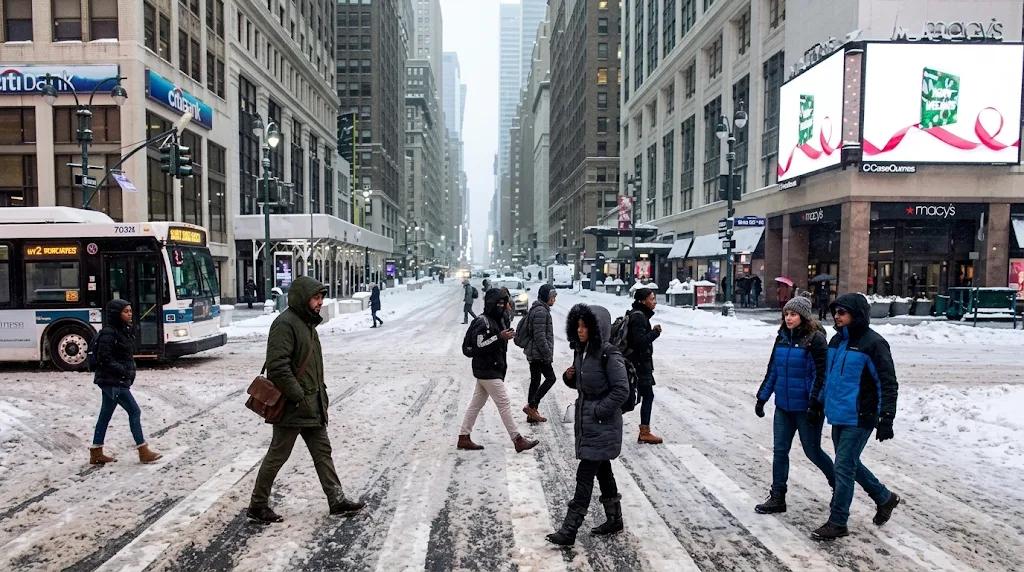
Expanding on standard plow operations, cleanup routes now formally encompass bus stops, pedestrian crosswalks, and sidewalk corners; consequently, city workers prioritize accessible pedestrian routes for senior citizens, individuals with mobility challenges and daily commuters walking to subway stations, as specialized crews clear curb cuts and bus boarding zones to prevent dangerous ice accumulation while dedicated machines clear 47 protected bicycle routes to support year round micro mobility and priority clearance schedules ensure smooth foot traffic along major commercial corridors during severe freeze events.
Climate forecasts shape city preparations for extreme cold in New York
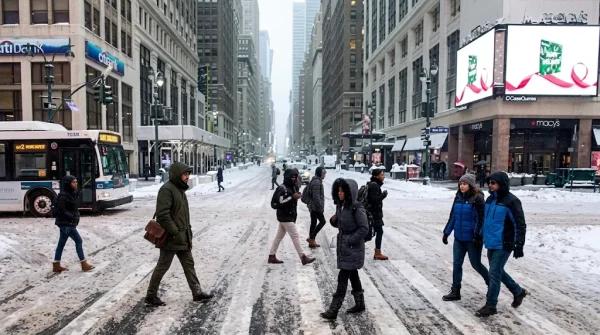
Beyond physical cleanup measures, municipal preparations directly reflect official announcement transcripts detailing data from the previous winter season, during which New York accumulated 43.4 in of snow, nearly double the annual average of 22.9 in, alongside nine consecutive days with below freezing temperatures as city agencies refine their broader winter weather response strategy.
Meteorological outlook and risk factors
National Weather Service (NWS) forecasts indicate a warmer and wetter seasonal outlook driven by a strong El Niño pattern; however, city emergency planners prepare for hazardous freezing rain and heavy sleet that can destabilize power lines and tree branches, noting that prior season totals reached 43.4 in while historical records highlight nine consecutive days below 32°F, which emphasizes the need for sustained municipal readiness as projected weather patterns increase the likelihood of heavy, wet snow that complicates street clearance and damages infrastructure.
To support these preparations, municipal agencies urge residents to inspect home heating systems, assemble emergency supplies and charge cell phones prior to severe storms, ensuring emergency street assistance remains accessible through 311 whenever residents encounter individuals exposed to extreme cold in New York while over 1.6M subscribers receive real time directives through Notify NYC.
Strategic considerations for urban winter management
Executive leadership establishes comprehensive frameworks to evaluate operational efficiency, resource distribution and public engagement throughout severe freeze events across all five boroughs.
-
Financial resource allocation: Executive leaders invest an additional $25M to expand emergency cold weather protocols across all five boroughs.
-
Infrastructure protection strategy: Sanitation crews deploy over 2,200 plows and 700 salt spreaders to keep major travel routes open during severe storms.
-
Public health emergency readiness: Health authorities expand Code Blue outreach to protect vulnerable unhoused populations facing extreme cold in New York.
-
Community notification systems: Over 1.6M residents utilize Notify NYC alerts to track real time weather updates and winter weather response directives.
-
Targeted shelter assistance: Municipal agencies deploy 20 mobile warming buses alongside low barrier beds to support vulnerable populations.
City leaders balance infrastructure management with targeted human services, ensuring that municipal operations protect every local neighborhood as extreme cold in New York tests the city’s winter weather response.
