

WATCH NOW
Watch on the app



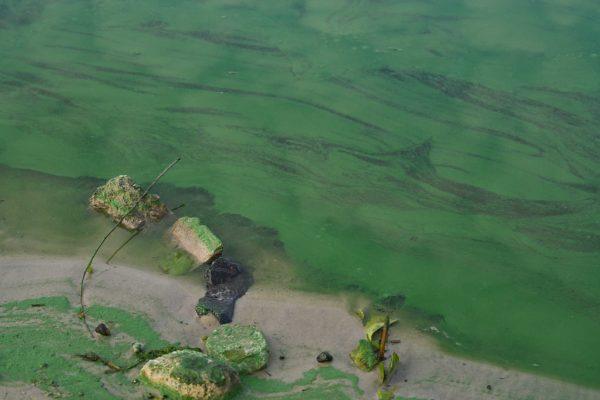











Florida’s lake was declared America’s dirtiest raising troubling health concerns
- Lake Okeechobee tops negative environmental reports due to elevated turbidity levels, contamination, and the dangerous proliferation of toxic algae in Florida.
- Public health authorities issued urgent warnings to ban water recreation and protect pets against severe health risks across The United States.
- The shallow depth of the water body and agricultural runoff accelerate the spread of bacteria that severely affect rivers and nearby communities across The United States.
An environmental crisis hitting the largest body of water in The United States
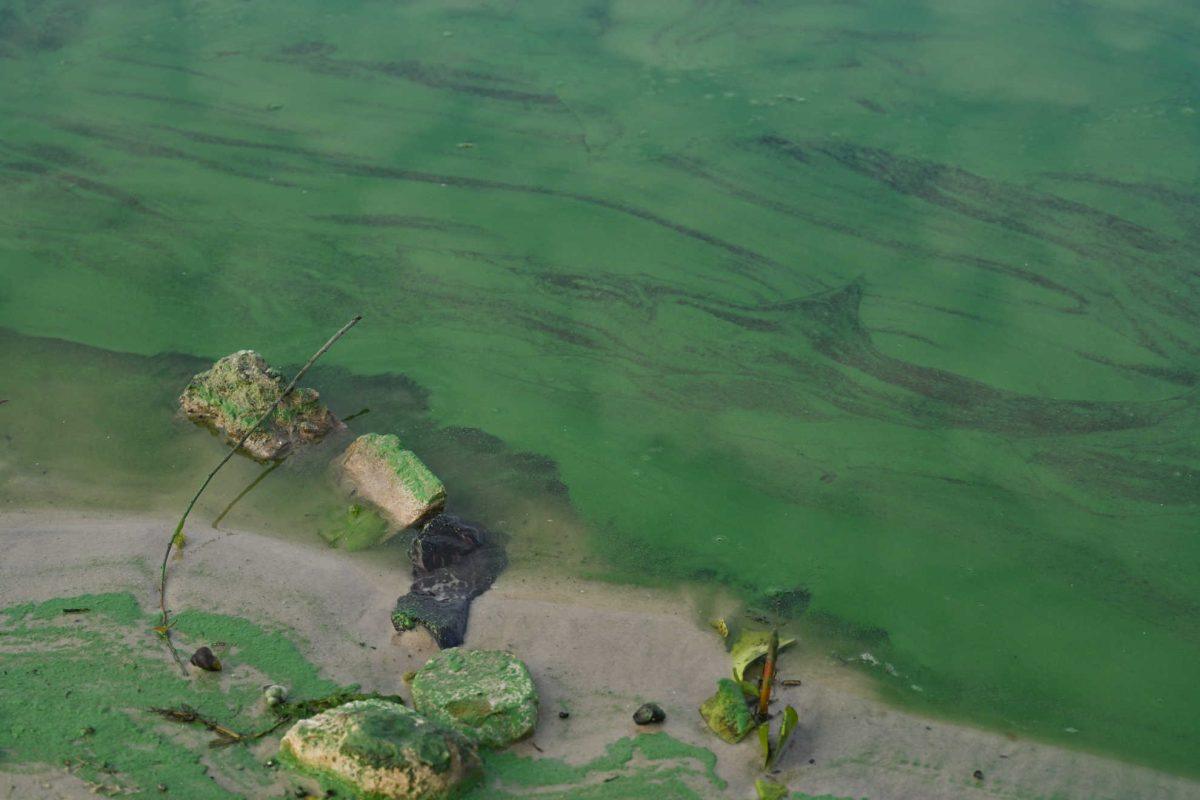
Amid widespread concern regarding natural resource degradation across The United States and contamination, the imposing Lake Okeechobee now sits at the center of a national debate after being officially classified as the country’s dirtiest water body. Spanning hundreds of square miles in the southern region of the territory, this iconic tourist and water destination in Florida suffers from severe heavy metal accumulation such as lead, alongside critical turbidity indexes that cloud its surface and stimulate the uncontrolled growth of harmful vegetation including toxic algae. Consequently, this situation jeopardizes not only the water supply for surrounding communities, but also the recreational activities that traditionally draw thousands of visitors each season, leaving them exposed to pollution.
Toxic algae and strict restrictions to safeguard public health
Furthermore, recent inspections conducted by the health department across The United States revealed the alarming presence of blue-green algae toxins within Lake Okeechobee, which emit unpleasant odors and generate a latent contamination hazard for both humans and local fauna; facing this discouraging outlook involving toxic algae and related issues, government agencies issued strict guidelines strongly advising against swimming, recreational fishing, and raw water consumption, while experts warn that high temperatures and fertilizer-derived nutrients exacerbate this phenomenon across The United States. Thus, routine enjoyment along the riverbanks transforms into a considerable sanitary risk, forcing residents and tourists to take extreme precautions to avoid skin irritations and severe respiratory problems in Florida that can impact public health.
The factors behind ecological vulnerability in the southern region
Beyond the visual impact of algal blooms and toxic algae, the extreme shallowness of Lake Okeechobee allows contamination dragged by river currents to remain suspended and easily spread toward neighboring rivers in Florida. Likewise, native wildlife shares space with a complex geography featuring alligator and snake populations, adding fresh challenges for individuals navigating nearby hiking trails. For this reason, environmental authorities continue closely monitoring the evolution of this critical ecosystem, seeking alternatives to halt deterioration and restore safety to one of the most visited natural treasures in The United States.
