

WATCH NOW
Watch on the app











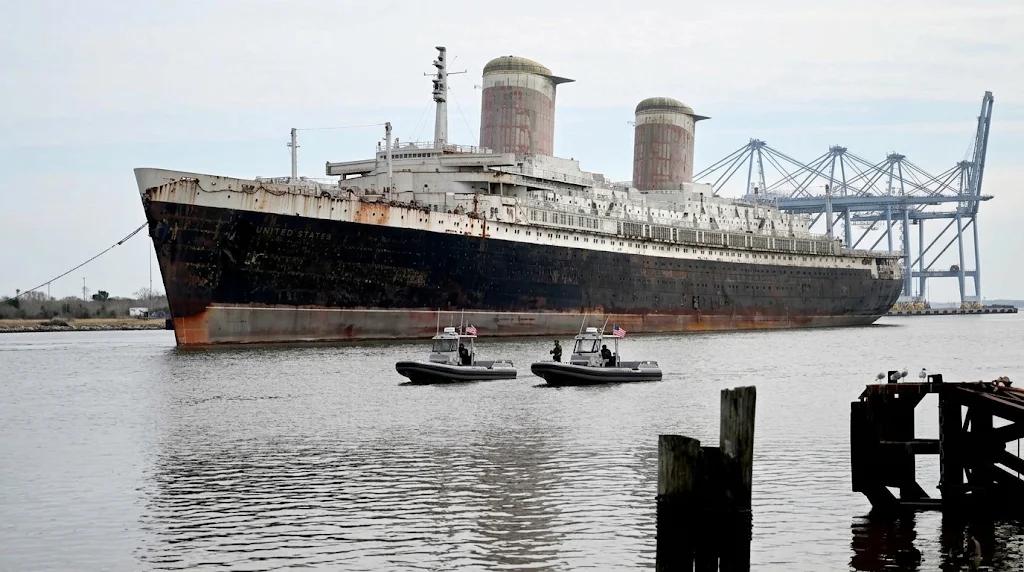
Florida plans to send a historic ocean liner to the bottom of the sea in an unprecedented project
-
Ocean liner to the seabed transformation initiates off the coast of Florida as Okaloosa County works to construct the largest artificial reef globally.
-
Environmental cleaning crews strip over 100 fuel tanks while local officials position the historic vessel to generate tourism revenue.
-
Federal judges examine conservation group lawsuits regarding marine impacts while workers complete final submersion preparations near Destin.
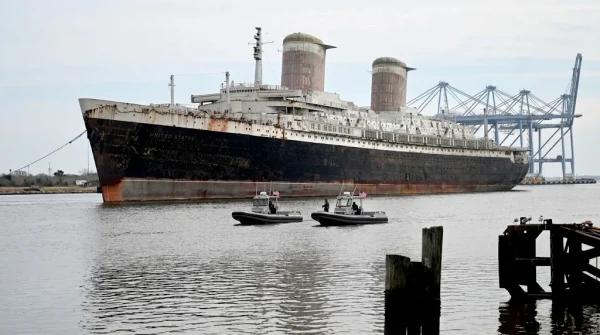
Florida plans to send a historic ocean liner to the sea floor in an unprecedented project off the coast of Destin; furthermore, the SS United States project aims to establish the largest artificial reef in the world across a strategic 25 mi area in the Gulf of Mexico.
International news agencies confirmed that Okaloosa County bought the 1,000-foot ship in 2024 from the SS United States Conservancy after a lack of funds stopped it from returning to active commercial service; so the crews will open the valves and hatches to the sea on Thursday, November 12, 2026, letting water into the hull after towing the huge structure from Alabama right into Florida waters.
Technicians previously towed the vessel from Philadelphia to Alabama in March 2025 for extensive pre submersion conditioning; subsequently, salvage teams and environmental engineers coordinate final site checks to ensure the heavy structure descends safely to the ocean floor.
Ver esta publicación en Instagram
Marine ecosystems thrive around historic ocean liner submerged structural frameworks
Natural Resources Chief Alex Fogg explains to NPR that the submerged hull provides vital surfaces for aquatic organisms seeking new habitats; therefore, Okaloosa county officials prioritize environmental preparation to encourage long term marine life colonization across the ocean liner to the seabed area.
Meanwhile, technical crews thoroughly cleaned over 100 fuel tanks and cleared thousands of sq ft of upper decks to eliminate environmental contaminants before transit; similarly, local non profits support artificial reefs as sustainable alternatives to scrap yards for retiring historical vessels.
Economic expansion drives regional artificial reef development
Tourism directors anticipate significant revenue growth from specialized diving excursions and hospitality bookings near Destin; accordingly, the Okaloosa County Board of Commissioners purchased the ship in 2024 to build a permanent underwater attraction for global visitors.
On the other hand, conservation group lawsuits warn against potential marine risks and attempt to delay submersions while environmentalists monitor the ocean liner to the seabed initiative; subsequently, federal judges analyze environmental claims while county officials maintain their scheduled November deployment window for this historic ocean liner.
Historical engineering milestones shape modern maritime legacy
Engineers constructed the vessel during the early 1950s as a flagship of American naval architecture and transatlantic speed records; eventually, cold war strategists designed flexible interiors capable of converting the commercial ship into a troop transport during national emergencies.
Commercial aviation advances throughout the late 1960s reduced passenger demand and forced the vessel out of active service; consequently, towing crews moved the ship to Alabama in March 2025 for final structural stripping and environmental preparation to position the ocean liner to the seabed safely.
Ver esta publicación en Instagram
Key coordination factors for regional ocean liner to the seabed deployment
-
Historical transatlantic speed record holder: The 1,000 ft historic ocean liner represents American naval engineering excellence.
-
Extensive environmental cleaning protocol: Technical teams purged over 100 fuel tanks to protect ocean liner to the seabed surrounding waters.
-
Regional tourism economic projection: Local officials anticipate increased hotel bookings and diving excursion revenues across Okaloosa County.
-
Pending environmental court litigation: Conservation groups demand additional impact studies before technicians open flooding hatches.
Eventually, county authorities work to resolve pending legal challenges while finalizing positioning logistics, as oceanographers prepare to monitor this historic ocean liner transformation into a thriving marine ecosystem.
