

WATCH NOW
Watch on the app



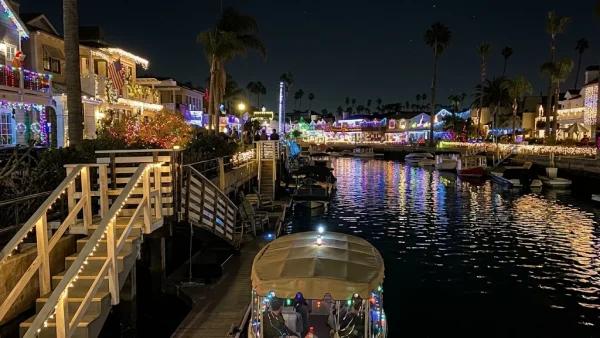








California Christmas parade canceled as dangerous high tides threaten Long Beach
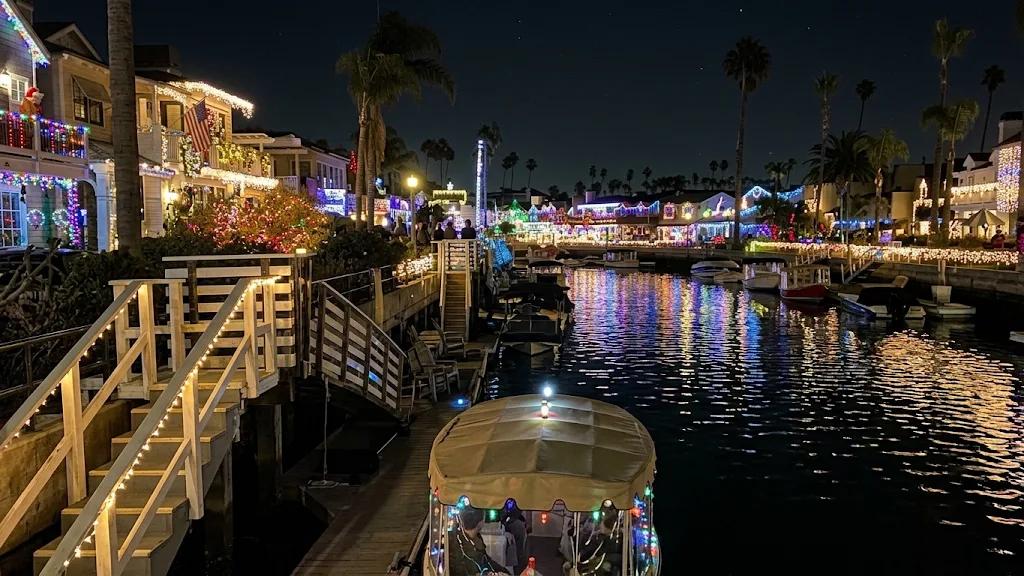
-
Coastal flooding threat forces the historic cancellation of Long Beach boat parade as extreme high tides endanger thousands of holiday visitors.
-
Meteorological authorities predict extreme astronomical tides driven by intense swells and the direct influence of El Niño ocean patterns.
-
Organizers reallocate festive event budgets toward purchasing emergency hardware to protect vulnerable residential infrastructure.
The Naples Improvement Association decided to cancel California’s Christmas tradition in Long Beach to prevent major safety hazards during the holiday week of December 2026; furthermore, technical forecasts warn of extraordinary astronomical tides reaching up to 8.5 feet that could submerge the primary waterways of Naples Island.
Organizers hosted this iconic naval parade continuously since 1946 except for the 2020 pandemic interruption, according to reports by the Los Angeles Times, drawing over 100 decorated vessels and nearly 60K spectators along the waterfront; however, severe oceanographic predictions forced leaders to prioritize public safety against rising Pacific waters.
Coastal flooding threat endangers Long Beach waterfront communities
Coastal weather stations anticipate extraordinary water levels between 7.5 and 8.5 feet during Christmas week 2026, directly affecting residential neighborhoods along the southern shoreline of Long Beach; likewise, this critical surge coincides with morning peak hours on Dec 24 and jeopardizes recreational vessel navigation.
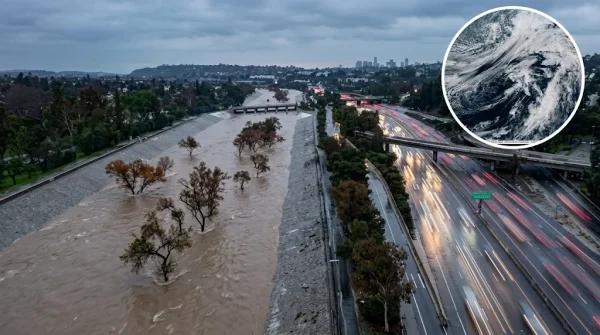
In addition, intense El Niño conditions will elevate ocean surfaces between 15 and 46 centimeters above historical averages according to climate data monitored by the National Weather Service, compounding with Kelvin waves defined as expansive warm water pulses that boost coastal swells; consequently, structural deterioration along aging sea barriers amplifies concerns, leading association president Ben Fisher to confirm the full event suspension after weeks of deliberation and a community poll of 600 residents as the safest choice against a persistent coastal flooding threat across public thoroughfares and local walkways.
Structural seawall deterioration heightens risks across Naples Island
Comprehensive structural analyses by the Naples Improvement Association confirmed that aging sea barriers and underperforming drainage networks intensify island vulnerability; accordingly, Ben Fisher warned that municipal officials instructed property owners to place sandbags across public and private spaces while residents dismantle aging walkways and avoid canal areas with exposed, rusted rebar.
Meanwhile, a 2009 municipal evaluation outlined a 6 stage seawall replacement program that completed only 2 phases; thus, finishing the overhaul requires a global budget of 125M dollars stalled by declining oil revenues and federal disaster funding uncertainty, leaving city leaders to evaluate 30 year bond options with annual property assessments of $5.1K dollars per neighborhood parcel or $48K dollars for direct waterfront homeowners, where a growing coastal flooding threat demands immediate structural intervention.
Ver esta publicación en Instagram
Critical factors driving the cancellation of California’s Christmas tradition
-
Coastal flooding threat response: Extreme tidal surges exceed island containment thresholds to jeopardize visitor safety during holiday gatherings.
-
Institutional support and maintenance: Councilmember Kristina Duggan backed the cancellation to prioritize winter readiness while municipal utility crews seal residential cold joints.
-
Community resource reallocation: Association leaders redirected festival funds to purchase emergency pumps hoses plugs and generators.
-
Residential decoration guidelines: Municipal authorities confirmed that individual homeowners maintain full freedom over holiday light displays.
As a result, members of the Naples Improvement Association will focus their immediate resources on protecting shoreline homes, ensuring that safeguarding neighborhood infrastructure strengthens the long term continuity of California’s Christmas tradition for future generations.
