

WATCH NOW
Watch on the app











The volunteers behind New York’s state parks are bringing in millions and making nature more accessible
-
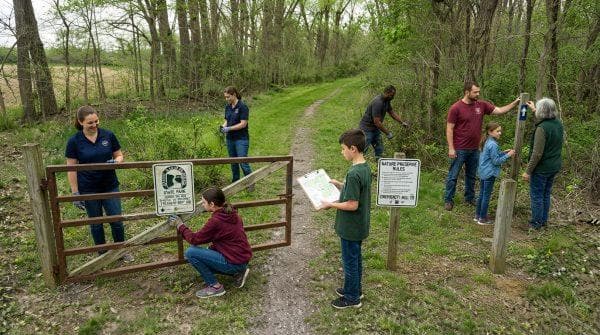
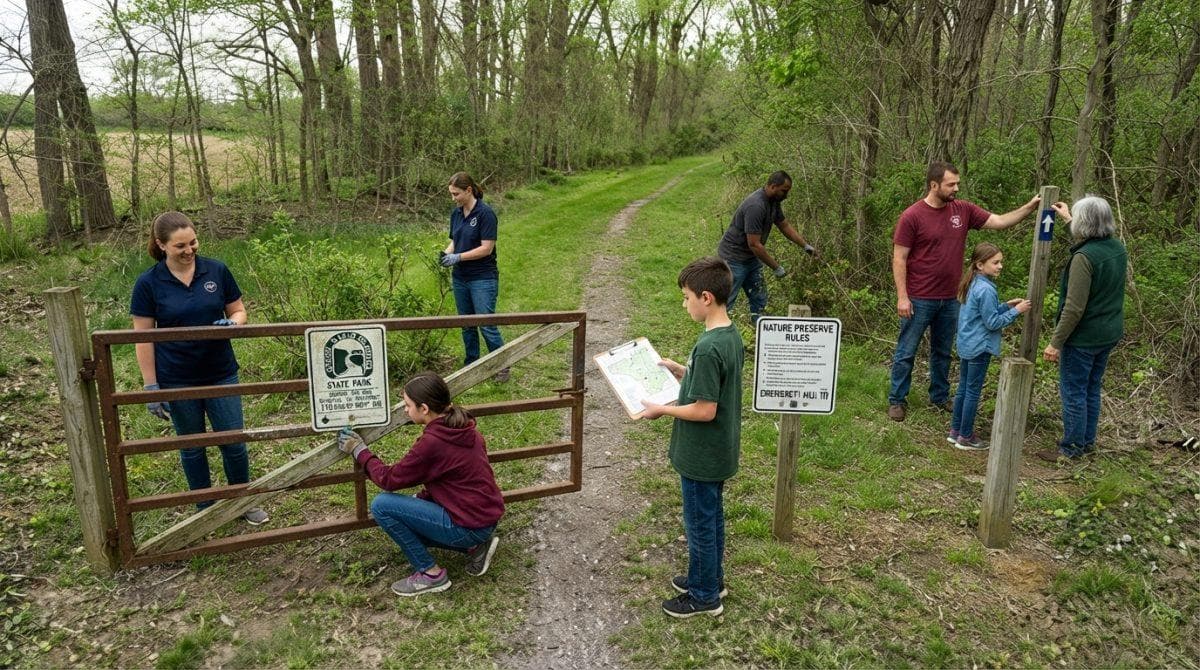
State parks volunteers generated nearly $31M in economic value during 2025, while community led “Friends Groups” protected dozens of public spaces.
-
Non profit groups contributed thousands of volunteer hours to maintain trails, consequently, public agencies expanded recreational access across the region.
-
Environmental organizations organized numerous educational workshops, furthermore, community partnerships enhanced conservation efforts for regional wildlife habitats.
New York’s state parks rely on dedicated community networks to maintain public infrastructure and preserve historical landmarks across the region, while local organizations coordinate extensive volunteer efforts to keep natural spaces accessible for millions of annual visitors. Recent findings from the Friends Group Impact Report illustrate how grassroots involvement drives public engagement.
State officials report that collaborative “Friends Groups” injected substantial financial and physical resources into public recreational areas throughout the past year, ensuring that natural preserves receive continuous maintenance and operational support from passionate local advocates. This comprehensive evaluation demonstrates how volunteer labor and private funding management have become vital for the ongoing operation and financial sustainability of the public recreation system. Learn more about regional stewardship initiatives through New York State Parks, Recreation and Historic Preservation.
Ver esta publicación en Instagram
Understanding the financial framework behind New York’s state parks
Local non profit organizations generated nearly $27 million independently during 2025 through private donations and program fees, meanwhile, these funds directly supported 28 physical improvement projects across various state managed properties.
State parks volunteers contributed over 20,000 hours of physical and intellectual service through specialized events and weekly maintenance routines, additionally, these dedicated individuals helped agencies preserve fragile ecosystems and historical monuments without depleting public budgets. Additional details on state funding allocations are available via New York State Office of the State Comptroller.
Strategic financial distribution and public impact
Financial allocations from state parks volunteers distributed $15 million toward infrastructure and 28 physical improvement projects, conversely, groups dedicated $8.5M to public programs alongside $6.69 million in direct cash contributions for conservation operations.
Community organizations also integrated $466K in labor value and $232,000 in equipment donations, moreover, these contributions reinforced public park management across diverse regional sites. Comprehensive regional impact studies can be reviewed on the Parks & Trails New York official platform.
Exploring how state parks volunteers drive revenue growth and public access
State parks volunteers organized more than 3,000 public events that attracted approximately 273,000 visitors seeking affordable outdoor recreation, while most activities remained free or cost less than $10 per person.
Educational workshops represented 85.5% of community programming and engaged over 120,000 participants, meanwhile, state parks volunteers at Moreau Lake welcomed 53 participants at NatureFest while Clark Reservation teams completed 5 field work sessions. Public park accessibility guides are detailed further by Open Space Institute.
Collaborative conservation and inclusive initiatives
-
Local state parks volunteers establish citizen science teams to remove invasive species and monitor forest health, ensuring long term ecological stability for regional habitats.
-
Specialized outdoor programs provide adapted recreational equipment for individuals with disabilities, allowing families to experience previously inaccessible forest trails.
-
Environmental organizations partner with educational institutions to host nature festivals that promote community awareness and sustainable outdoor practices.
-
Regional coordination teams maintain active volunteer registries to support ongoing park maintenance and seasonal visitor engagement initiatives.
Government institutions acknowledge that community partnerships remain essential for public land management, thus, grassroots collaboration secures the continuous revenue growth, widespread accessibility and enduring legacy of New York’s state parks. Public engagement resources and volunteer sign ups are accessible directly through New York State Parks Volunteer Portal.
