

WATCH NOW
Watch on the app



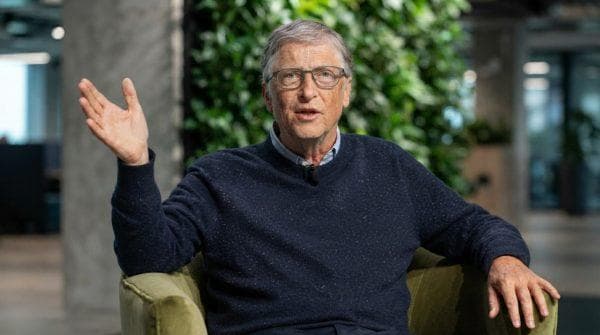











Bill Gates thinks AI could kill a billion people
-
AI risks continue generating intense global debates regarding safety standards, regulatory frameworks and the ethical responsibilities of tech titans.
-
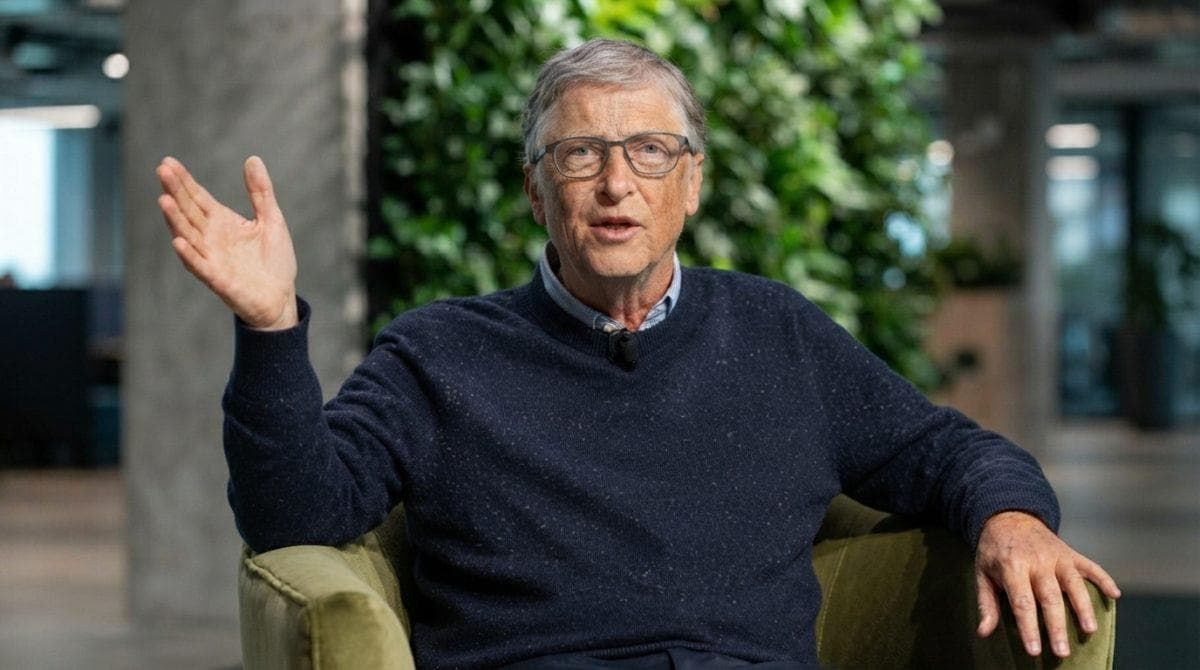
Microsoft cofounder Bill Gates recently warned in a television interview that unmonitored technological advancement could eventually trigger catastrophic scenarios affecting one billion people.
-
Public skepticism surrounds these warnings due to historical scrutiny regarding past associations, 2011 introductions and corporate accountability.
Bill Gates finds his public rehabilitation tour currently in full swing, encompassing media appearances and stark statements about the technological future, while watching his carefully cultivated image tarnish from the revelation of his connections with Jeffrey Epstein led the businessman to keep a low profile for a considerable period.
Subsequent to this quiet period, the Microsoft cofounder bursts back into public consciousness with a gravely serious warning about artificial intelligence because if this powerful technology remains unchecked, AI could cause one billion deaths as the tycoon recently stated in a television interview and likewise, this kind of apocalyptic declarations generates profound questions regarding the true nature of current dangers, especially when technology corporations confront global ethical questioning and the advancement of AI risks occupies international headlines once again.
The debate over Bill Gates and artificial intelligence trust
Questioning whether everyone should feel terrified by announcements formulated by a man who understands technological development deeply despite known personal flaws makes complete sense, but numerous observers grow weary of hearing about hypothetical future perils while various digital tools currently operate within highly questionable contexts.
Moving beyond those hypothetical concerns, although the entrepreneur no longer directs daily operations at his former company, multiple analysts demand clear explanations regarding Microsoft,s role in AI enabled destruction in Gaza, which consequently causes declarations concerning humanity,s future to contrast sharply with recent past controversies that still taint his institutional legacy.
Key accountability factors
-
Multiple meetings occurred with Jeffrey Epstein following his introduction to the tech executive in 2011, highlighting how Bill Gates faced ongoing concerns about governance and oversight.
-
These crucial interactions took place 3 years after the financier pleaded guilty in 2008 to charges involving soliciting prostitution from a minor.
-
Public explanations claiming a lack of awareness regarding the severity of legal issues contrast sharply with the reality that basic verification tools easily reveal such histories, with particular regard to AI risks and rigorous oversight standards.
The technical basis behind AI threats and apocalyptic predictions
Grasping the background of these assertions requires analyzing why the technology tycoon insists advanced systems could unleash massive tragedies on a global scale and thus the entrepreneur argues that the real danger stems not from machines developing autonomous destructive willpower, but from malicious actors wielding them as force multipliers.
“We face unprecedented technological transformations where unchecked systems could potentially amplify human intent to unprecedented scales, creating pathways toward catastrophic harm if strict ethical guardrails are ignored.”
Amidst these operational security challenges, the central concern revolves around the unchecked potential of these tools to accelerate the design of dangerous biological agents or execute coordinated cyberattacks against vital critical infrastructures, although debates continue over thousands of large scale theoretical AI risks, diverse social segments continue demanding that the tech industry shoulder immediate accountability for tangible damages inflicted in the present.
Ver esta publicación en Instagram
Corporate image management versus accountability
This oversight clashes directly with the absolute obsession that public relations teams maintain to project an immaculate and accessible image before global media, additionally prompting the magnate,s collaborators to deploy millimeter precise communication strategies to safeguard every single detail of his public presentation.
Supplementing these image campaigns, according to investigative reports published by major media outlets, the agency utilizes a custom sized mannequin to meticulously test every outfit, aiming to portray someone tranquil like Mr. Rogers rather than someone linked to a sex offender, while excuses offered regarding those encounters ranged from supposed ignorance to seeking international philanthropic funding, arguing that the figure knew very wealthy people. Yet, understanding how the 17th richest man on the planet needed the intermediation of such a shady figure to secure millions of dollars in altruistic donations destined for global health remains exceedingly difficult, especially when broader AI risks demand transparent leadership.
