

WATCH NOW
Watch on the app





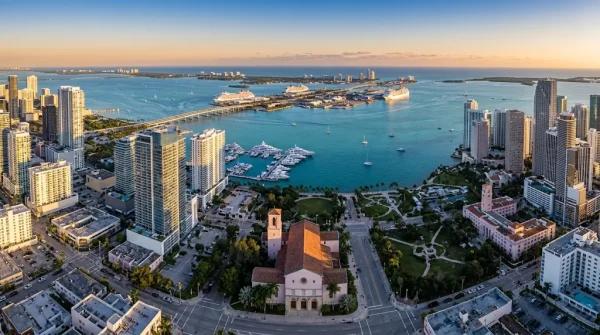









Miami’s historic church could come to an end because of a massive luxury investment
-
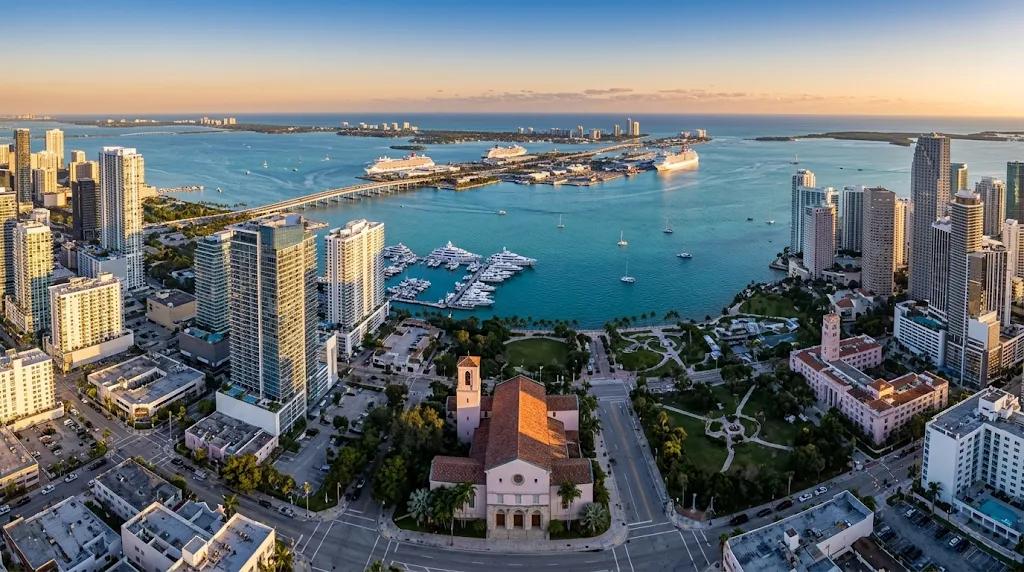
Urban redevelopment projects in the financial district allow First Miami Presbyterian Church to share its grounds with a 75-story luxury tower.
-
The City of Miami Historic Preservation Board voted 6-1 on November 3 to remove historic protection from the church school annex and parking lot.
-
Condominium residents living within 160 feet analyze potential administrative appeals during a 60-day legal window against the $240M development.
The City of Miami Historic Preservation Board voted 6-1 on November 3 to remove historic designations from a church school annex and parking lot at 609 Brickell Ave, meaning First Miami Presbyterian Church, a prominent Miami historic church, will share its grounds with a luxury high-rise skyscraper valued at $240M; consequently, municipal authorities narrowed the protected historic boundary exclusively to the 1949 sanctuary and a 15-foot protective buffer zone, while granting the board permanent architectural review powers over any major exterior design modifications to the new 619 Brickell By Nobu complex.
Project spokesperson Olivia Klein, speaking for developer 13th Floor Investments and the congregation, welcomed the official decision because sale proceeds will allow the church to serve future generations for decades to come. Furthermore, legal representatives for residents at Icon Brickell II filed formal objections during the hearing, arguing that heavy high-rise construction will disrupt neighborhood quality of life through severe noise pollution, localized contamination, and physical impacts on nearby green space at Mary Brickell Park.
Approval process to build a 75-story luxury tower on heritage land
The institutional decision to strip historic designations from the church property sparked intense technical debates between land use attorneys and local conservationists during public sessions, clearing the way for a 75-story luxury tower on the bayfront plot. According to legal counsel Ryan Abrams, city ordinances automatically extend historic protections across an entire property parcel including all contributing structures; however, developers argued successfully that the school annex was erected after 1950, which places the structure outside the official period of historical significance.
On the other hand, local historian Casey Picket testified during the hearing that initial budget constraints forced the congregation to construct its facility in phases, pointing to late additions like second-floor office spaces, the library and the Celtic cross atop the bell tower. In addition, former annex occupant Key Point Academy Downtown relocated in August to the Omni Center at 1501 Biscayne Blvd, while condominium board member Alan Barson suggested selling unused air rights to preserve the entire historic campus.
Ver esta publicación en Instagram
Legal disputes and community intervention rights in Brickell
Legal challenges surrounding the project reached a turning point when the City of Miami lost a municipal appeal in October, forcing board members to repeat the historic designation vote during the official November 3 session. Furthermore, municipal codes grant intervention rights to property owners living within 500 feet of a site, allowing residents at Icon Brickell II located just 160 feet away to challenge municipal approvals throughout the administrative process, especially regarding the erection of a 75-story luxury tower next door.
Meanwhile, neighborhood resident Cuesta voiced frustration over municipal leadership during public hearings, emphasizing that elected city officials must defend resident quality of life rather than developer profit margins. Besides that, Cuesta criticized the congregation for avoiding public fundraising campaigns, noting that a non-disclosure agreement between the developer and church leaders prevented early project discussions with surrounding property owners.
Priority urban impacts and risks originating from the new skyscraper
Atmospheric and structural developments surrounding the proposed residential skyscraper create operational concerns for nearby urban communities:
-
Traffic congestion: Increased vehicle volume from incoming residents of the 75-story luxury tower threatens to overcrowd major intersections across the Brickell financial corridor.
-
Environmental noise: Heavy foundation drilling and excavation work generate continuous noise pollution and airborne dust particles during construction.
-
Park degradation: The massive shadow footprint of the high-rise threatens natural sunlight exposure for coastal vegetation at Mary Brickell Park.
-
Property devaluation: Unit owners at Icon Brickell II face direct obstruction of scenic waterfront views across Biscayne Bay.
-
Loss of heritage: Demolishing the former Key Point Academy building at First Miami Presbyterian Church erases a long-standing educational structure from downtown Miami.
-
Communication barriers: Strict confidentiality clauses between corporate parties prevented early community consultation with affected neighbors.
Public records from the Miami-Dade County Property Appraiser show how real estate values along the waterfront continue to surge, with Nobu-branded condominium units projected to sell between $3M and $60M. Besides that, the condominium board continues reviewing municipal codes to evaluate formal administrative appeals before the legal 60-day window expires.
Community opposition facing construction adjacent to a Miami historic church
Legal teams representing neighboring property owners confirmed they are exploring all available administrative options to challenge the board approval before time runs out, while representatives for 13th Floor Investments insist that completion of the 75-story luxury tower remains scheduled between late 2030 and early 2031. Furthermore, real estate consultants highlight that the project will feature an exclusive Nobu restaurant and wellness suite, offering high-end luxury amenities to future high-rise buyers.
Meanwhile, urban activists insist that elected leaders must prioritize resident quality of life over corporate real estate development deals. Precisely, industry analysts believe the outcome of this legal battle will set a major precedent for preserving historic landmark properties associated with First Miami Presbyterian Church, functioning as a defining case study for any Miami historic church.
