

WATCH NOW
Watch on the app


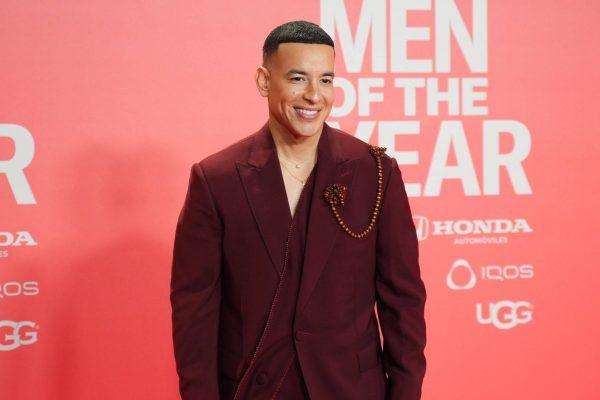





Daddy Yankee and the reggaeton mystery: did it really all begin in Panama?
- The international debate surrounding reggaeton’s true origin gathers major momentum following bold statements from the genre’s top figures.
- Daddy Yankee maintains that he created the term during an improvised freestyle recorded on the Playero 34 mixtape in early 1990s Puerto Rico.
- Pioneers from Panama point to producer Michael Ellis as the true creator of the name during the late 1980s on the Isthmus.
The impact of the urban controversy over the creation of the genre in popular culture
The global urban movement finds itself immersed in a passionate historical discussion while questioning the true origin of reggaeton and the parenthood of the word defining contemporary Latin music’s most influential rhythm. In this sense, the world-renowned artist known as El Big Boss reiterated across various media platforms, including his recent appearance on the YouTube show Track Star and previous Billboard interviews, that he was solely responsible for coining the term during a freestyle recorded on the iconic Playero 34 production in the early nineties.
However, several music industry researchers and pioneers challenge Daddy Yankee’s version by presenting historical records that credit the concept’s creation to earlier stages outside Puerto Rican territory, opening a theoretical angle that shifts the central axis of this historic musical birth and reggaeton’s origin to other latitudes like Panama.
Panamanian theories and the key role of pioneer producers across the Caribbean
This musical controversy gains even stronger momentum when analyzing Panamanian roots where high-profile producers like Michael Ellis were already handling the concept years before it popularized massively within the debate over reggaeton’s origin. According to testimony provided by historical movement figures such as Renato and Gringo El Original, Ellis coined the famous word during the late 1980s while producing legendary hits for El General like Te ves buena and Muévelo muévelo. Furthermore, this perspective acquires even greater credibility considering that Ellis served as a strategic bridge between Panama and Puerto Rico, collaborating early on with pioneers like Vico C, who may have carried the expression back to the island for its eventual international massification at the hands of artists like Daddy Yankee.
Ver esta publicación en Instagram
The evolution of the urban genre and its lasting impact on the global industry
Beyond the territorial dispute over naming credits, analyzing reggaeton’s origin continues to unite different generations of young people while heavily influencing global pop culture. Both Puerto Rico’s undeniable contribution in perfecting the commercial sound and Panama’s foundational role in laying down initial rhythmic bases confirm that the genre represents the fruit of a rich Caribbean cultural exchange. Consequently, the discussion surrounding who truly baptized the movement, whether it was Daddy Yankee or Michael Ellis, takes nothing away from the brilliant careers of its top icons, but rather enriches the history of a musical movement that successfully conquered streaming platforms and transformed international record market rules with artists who currently move the world with Spanish-language music.
Ver esta publicación en Instagram
Key aspects of urban music history
- Daddy Yankee’s stance: The Puerto Rican artist claims to have improvised the word “reggaeton” for the first time on the Playero 34 production.
- The Panamanian hypothesis: Pioneers from the Isthmus maintain that producer Michael Ellis was already using the term during the late 1980s in Panama.
- The cultural bridge: The collaboration between Michael Ellis and Vico C likely facilitated the term’s arrival on Puerto Rican soil.
