

WATCH NOW
Watch on the app



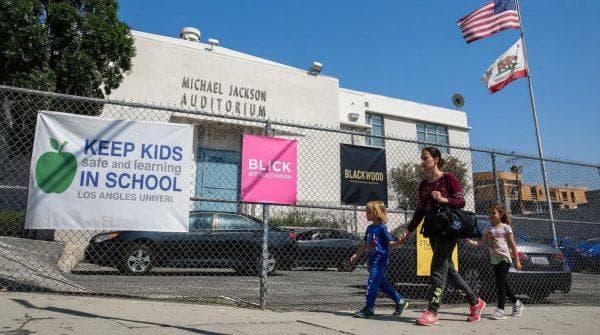











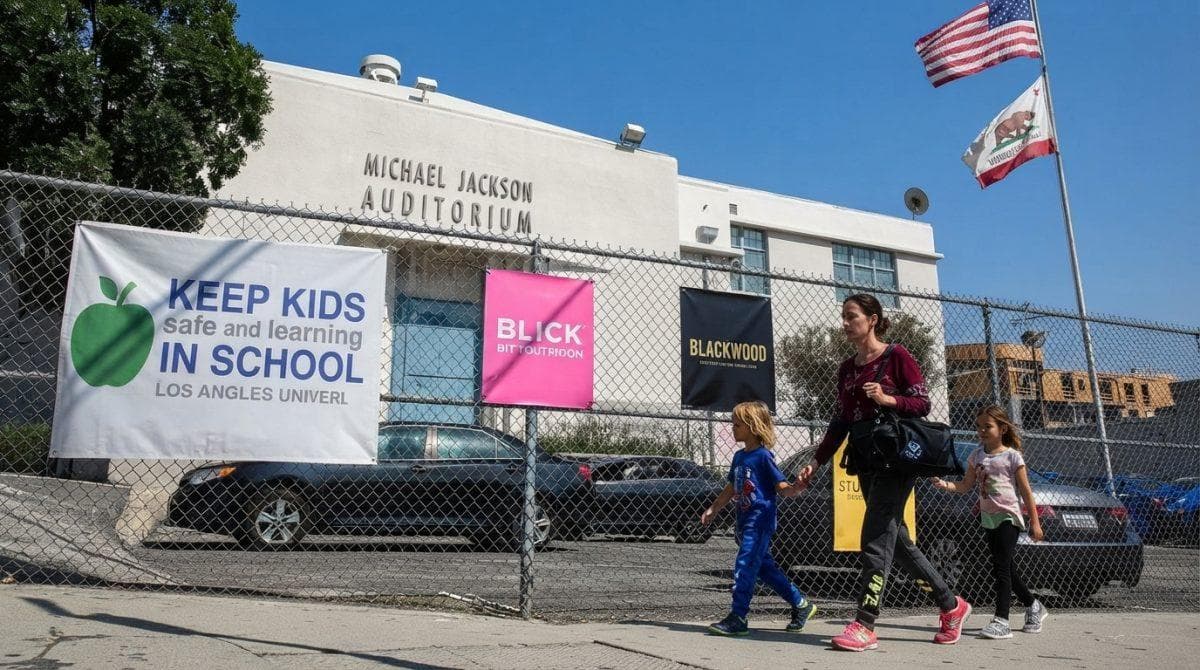
Los Angeles is spending billions on schools it may eventually have to close
-
Declining student enrollment strikes the largest school district in southern California, forcing public administrators to rethink the operational future of every local academic institution with a 4% drop in the present period.
-
Educational authorities project an alarming financial deficit of $3.5 billion by June 30, 2029, due to the drastic reduction of state funds and a $60 million impact caused by lower student attendance.
-
Experts analyze complex infrastructure decisions while managers allocate billions of dollars to facilities facing potential final closures in upcoming school cycles.
Los Angeles school districts face unprecedented financial and operational crises after registering a drop of nearly 50% in historical enrollment since 2003, currently housing fewer than 400,000 students across their territory, and, moreover, this notable contraction drastically reduces state revenues allocated by attendance, precipitating an estimated budget deficit of $3.5 billion by June 30, 2029, consequently, executives evaluate drastic alternatives that include demolitions, mergers, and the permanent closure of several campuses.
Meanwhile, the Los Angeles Unified School District official portal withdrew a specialized consultant’s contract at the last moment following growing alarm among parent activists and employee groups, while superintendent Andrés Chait drives new community conversations to redefine campus sizes, on the other hand, projected job cuts exceed 6,000 positions within a system that employed about 83,000 people last year, however, union leaders demand structural solutions while the California Teachers Association litigates for the return of withheld state funds.
Structural challenges and funding deficits
During the past two decades, the demographic decline of school-age minors accelerates the massive loss of public funds in more than 1,000 urban educational centers, similarly, urban planners examine census records to redesign annual budget projections corresponding to upcoming academic cycles, likewise, automatic cuts derived from lower student attendance erode administrative staff salaries, severely affecting the operativity of extracurricular programs in ultra small schools like Glen Alta with 55 students, Ann Street with 71, Annandale with 78 and Hillside with 96 enrolled pupils, hence, educational leaders organize dialogue tables to prevent abrupt closures.
Chief financial officer Saman Bravo-Karimi warns that the second largest school system in the country can remain solvent for only two years past the current academic year, meaning that structural shifts driven by declining student enrollment compel officials to adopt rapid fiscal adjustments across all regional administrative offices before federal regulators intervene.
Los Angeles school community resistance and infrastructure modernization dilemmas
Civil engineers inspect more than 1,200 school buildings constructed before modern seismic regulations, determining that investments exceeding $2 billion are required to comply with minimum structural safety standards, likewise, administrators assign multimillion-dollar contracts backed by $9 billion in bonds approved by voters in November 2024, similarly, the board approved reconstruction projects totaling $322.6 million in campuses like Menlo Avenue, 93rd Street, 96th Street, and 122nd Street, besides another $496.9 million assigned to Normandie Avenue, 107th Street, and Narbonne High School, for which commissioners face an intense debate over the viability of investing in facilities that might soon face closure.
Urban planning committees debate tensions expressed by board members Nick Melvoin and Rocio Rivas regarding flexibility in state funding and work selection criteria, while, additionally, executive director of facilities Krisztina Tokes defends that selected schools exceed average size with enrollments between 500 and 700 pupils, furthermore, economic analysts suggest converting underutilized school spaces into community centers, nonetheless, state bureaucracy delays the approval of any alternative plan guaranteeing long-term sustainability despite ongoing declining student enrollment pressures.
Financial litigation and declining student enrollment restructuring impacts
-
District authorities evaluate operational adjustment plans while the California Teachers Association leads a lawsuit demanding the delivery of nearly $6 billion in funds reserved for schools, responding directly to declining student enrollment trends.
-
Directives calculate that the district would benefit from hundreds of millions of dollars of such withheld resources, although structural deficits demand additional cuts in personnel and student support services, hence, unions intensify their protests.
-
Fiscal analysts examine the impact of the Proposition 3 vote, warning that the potential loss of additional income would weaken the school district’s financial response capacity amid generalized enrollment declines, similarly, experts suggest expenditure prudence.
-
Budget oversight commissions demand detailed reports on demographic assumptions used before authorizing new partidas for the reconstruction of old campuses across the county, moreover, taxpayers demand greater institutional transparency.
-
Union representatives organize peaceful protests to reject mass layoffs and demand labor protection for educators affected by administrative restructuring and partial campus closures, while negotiation tables remain open.
-
Executive teams shape tomorrow’s educational landscape, ensuring that accountability guides every milestone achieved within a Los Angeles school.
