

WATCH NOW
Watch on the app












Los Angeles Metro is being taken over by a new wave of baddies who don’t want to drive
-
A wave of baddies in Metro leads a trendy shift among Los Angeles influencers who swap their cars for public transit.
-
Official safety data reveals a 6.7% drop in violent crime alongside rising weekday ridership numbers.
-
Digital creators share essential safety tips while highlighting the financial perks of ditching traditional vehicles.
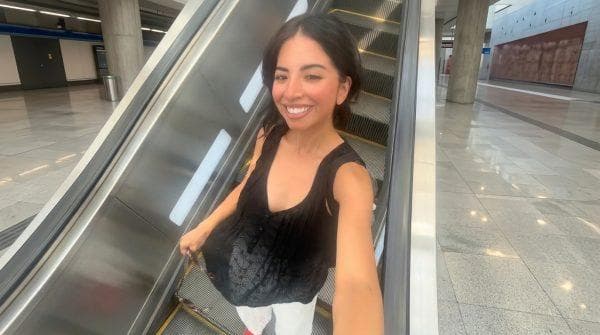
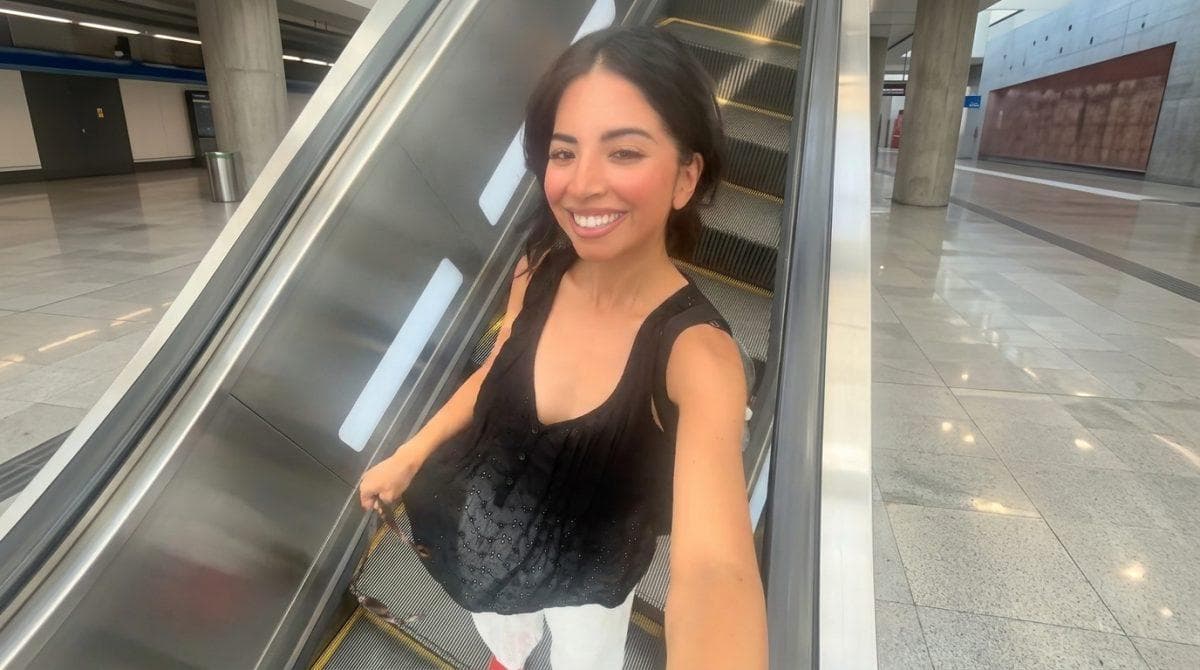
Forget Erewhon, as a growing set of Los Angeles influencers finds a brand new hotspot right at the bus stop; meanwhile, surging gas prices and endless parking headaches push hip Angelenos to abandon their cars for the city’s beleaguered transit system while actively encouraging others to follow suit. Experiencing what feels like a rediscovery of the metropolitan area, digital creator Julianna, who publishes under the handle Hot Girl Transit, embarked on her public transportation journey after her car engine died in June, and having lived in Los Angeles for 18 years, she now utilizes the bus and train from her home in West Hollywood, noting that reaching downtown takes a mere 17 minutes compared to 40 minutes of gridlock, proving how Los Angeles Metro transforms daily commuting routines.
Meanwhile, transitioning toward frequent public transit use answers both financial factors and a practical lifestyle shift across California. Julianna emphasizes that while she can afford another vehicle, avoiding lease contracts and high fuel costs outweighs the hassle of driving, noting that she is not entirely anti car but strongly advocates for a mixed use transit approach. This digital movement proves how a wave of baddies in Metro actively redefines urban mobility through community engagement while maintaining that featured influencers remain entirely independent and outside official agency payrolls despite public skepticism.
Operational resurgence of Los Angeles Metro and institutional safety statistics
Official reports from the UCLA Institute of Transportation Studies indicate that public perception regarding mass transit undergoes a crucial period of operational and social redefinition. The central transit agency reported a 6.7% decrease in violent crimes within its facilities during the year 2025 compared to the previous period, hitting the lowest incident level recorded since 2021, while weekday passenger counts grew by 8.4% between June 2025 and mid 2026.
Concurrently, the county administration launches targeted pilot initiatives aimed at reducing private automobile dependence. The second phase of the One Car Challenge program offers financial incentives of up to $600 to eligible households committing to give up one vehicle for 5 consecutive weeks, promoting walking, cycling, and carpooling alternatives. Beyond these monetary stimuli, the ongoing extension of the D Line westward adds 3 new stops across Mid City, with future expansions scheduled toward Beverly Drive, Century City, and Westwood to broaden territorial coverage across the region as this wave of baddies in Metro continues gaining momentum.
Community experiences, creator insights and service affordability metrics
-
Direct economic impact on everyday commuters highlighting that standard one way fares remain at $1.75 with free transfers included for up to 2 hours in a single direction.
-
Progressive reduction in violent crime rates registering a 6.7% drop in serious incidents across trains and stations according to official balances released in 2025.
-
Sustained growth in daily passenger flow confirming an 8.4% increase in weekday ridership throughout the latest interannual operational cycle.
-
Financial incentives for sustainable habits providing stipends of up to $600 through county administered mobility programs designed to curb private vehicle usage embraced by the wave of baddies in Metro.
-
Personal safety awareness strategies applying practical precautions such as riding directly behind the operator or keeping communication devices active during transit journeys on Los Angeles Metro.
@hotgirltransit What a fun way to escape the heat 😋 #complexcon #fyp #thingstodoinla #losangeles #transit @ComplexCon @LA Metro ♬ Superstar (feat. Matthew Santos) – Lupe Fiasco
Creator perspectives, skeptical commentary and personal safety
Public reactions to these viral transit videos often spark lively debates among social media users. While Julianna,s clips documenting trips to Koreatown generate widespread enthusiasm and valuable local recommendations, skeptical commenters frequently issue warnings about caution and unpredictable incidents aboard the network. Addressing accusations from followers who jokingly suspect her of acting as a paid city spokesperson, the creator laughs off the remarks while emphasizing that her primary goal simply normalizes an undervalued public resource.
Equally important, other prominent digital figures share their firsthand transit adventures across the metropolitan landscape. Alaina Graham documented a 90 minute bus journey from Santa Monica to West Hollywood for a nightlife event, noting significant savings on fuel despite longer travel durations, while British creator Lucylovestransport amassed over 600k views highlighting that Los Angeles indeed operates a comprehensive rail network. For transplant and actress Celine Milien, who relocated from New York and frequently travels from downtown to Studio City for work, spreading the transit gospel involves convincing roommates to embrace the $1.75 fare rather than hunting for parking after late night outings, leaving behind the exhausting asphalt grid as urban pioneers discover an entirely revitalized path beneath the California sun.
Ver esta publicación en Instagram
