

WATCH NOW
Watch on the app








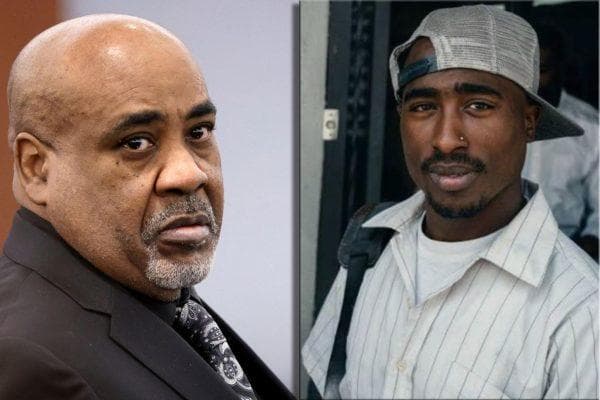




Video captures the moment Tupac Shakur’s killer receives his sentence of 40 years to life
-
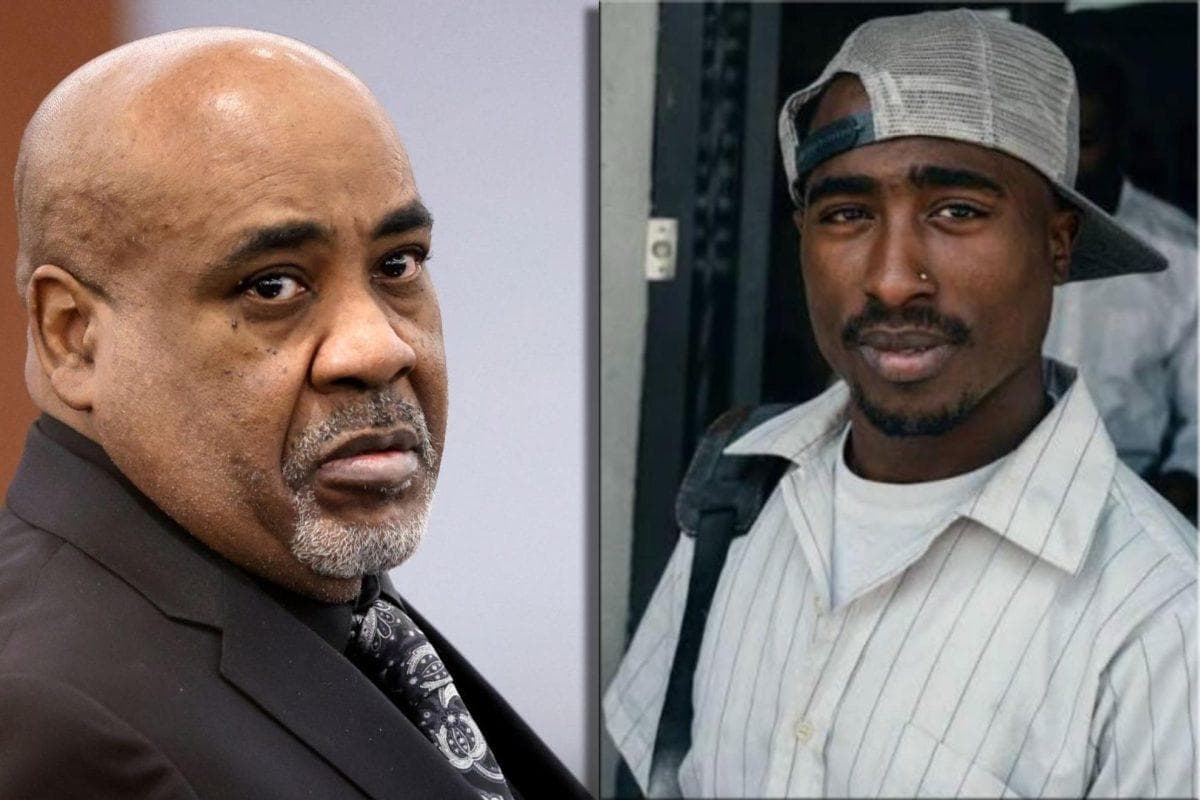
Duane “Keffe D” Davis was sentenced to 40 years to life in prison by a Las Vegas court.
-
The former gang leader was convicted of orchestrating the fatal 1996 drive-by shooting of Tupac Shakur.
-
Public interviews and self published memoirs served as primary evidence leading to his conviction.
Thirty years after the tragic drive by shooting of Tupac Shakur sent shockwaves throughout the global music industry, the American justice system delivered a landmark sentencing in one of hip hop most infamous cold cases. Sixty three year old Duane “Keffe D” Davis was sentenced on Tuesday by a Las Vegas judge to serve 40 years to life in prison following his first degree murder conviction. The judicial ruling provides long awaited legal closure surrounding the September 1996 killing of the legendary rap icon.
Keffe D has been sentenced to 40 years to life in prison for the 1996 murder of rap icon Tupac Shakur. https://t.co/D7cn5B5sVh
— Daily Loud (@DailyLoud) October 13, 2026
Planning the fatal ambush and the collapse of immunity agreements
Throughout the trial, prosecutors successfully argued that Davis functioned as the primary mastermind behind the fatal drive by shooting near the Las Vegas Strip, coordinating the retaliation after a fight involving Shakur at the MGM Grand. Although prosecutors did not allege that Davis fired the weapon, his commanding role within the Southside Compton Crips proved pivotal in executing the attack. Decades after the incident, Davis repeated media appearances and his self published 2019 memoir voided previous proffer agreements, providing prosecutors with self incriminating statements that secured a conviction in under three hours of jury deliberation.
Emotional victim impact statements from the Shakur family
Prior to Judge Carli Kierny handing down the sentence, family members of the late rap superstar delivered moving statements describing the lasting trauma caused by his murder. Sekyiwa Shakur, the artist sister, spoke tearfully about losing her protector and reflected on how her brother cultural influence extended beyond music into potential public leadership. Additionally, Shakur stepbrother Maurice “Mopreme” Shakur urged the court to issue the maximum allowable penalty, emphasizing that the family endured thirty years of unanswered questions while honoring Tupac enduring legacy.
Ver esta publicación en Instagram
Historical resolution to a defining hip-hop murder case
The conviction of Duane Davis marks the sole legal prosecution finalized in connection with Shakur death since the 1996 Las Vegas shooting. While the high-profile court proceedings frequently referenced music industry figures, West Coast gang rivalries and uncharged historical cases from that era, the final judgment centered strictly on Davis direct criminal liability. With the issuance of this extended prison sentence, Nevada authorities concluded one of the most prominent homicide investigations in modern American history.
Strategic lessons from historical cold case prosecutions
Solving high profile cold cases through retroactive admissions highlights the evolving nature of criminal investigations within the American legal system. Utilizing media records and historical testimony allows law enforcement agencies to pursue accountability decades after initial investigations stalled, demonstrating that high profile homicide cases remain subject to prosecution regardless of elapsed time.
Cover photos from: @cnnee – @Tupac Shakur
