

WATCH NOW
Watch on the app













Los Angeles has an unusual connection to Asia’s illegal wildlife market and hundreds of animals are paying the price
-
Illegal wildlife trafficking route networks connect directly to major West Coast transport hubs as authorities intercept hundreds of trafficked reptiles.
-
Strategic rescue centers struggle with space limits while emergency confiscations strain local ecological resources across Southern California.
-
Federal conservation networks execute new genetic mapping tools to safely return endangered species to their native habitats.
Los Angeles has an unusual connection to international trafficking networks, as federal agents intercept massive shipments of endangered reptiles passing through Southern California transit hubs where hundreds of animals are paying the price with their lives. Furthermore, the Los Angeles International Airport along with the Port of Los Angeles serve as primary exit points for illegal shipments heading toward overseas buyers as part of the Los Angeles wildlife market.
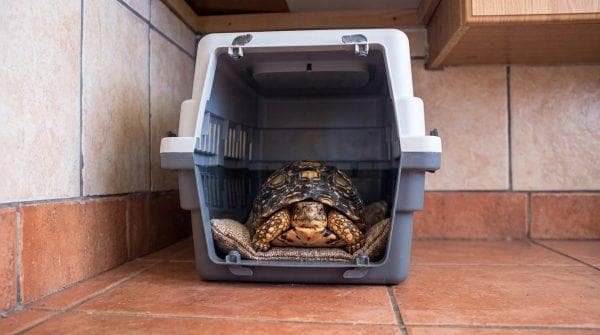
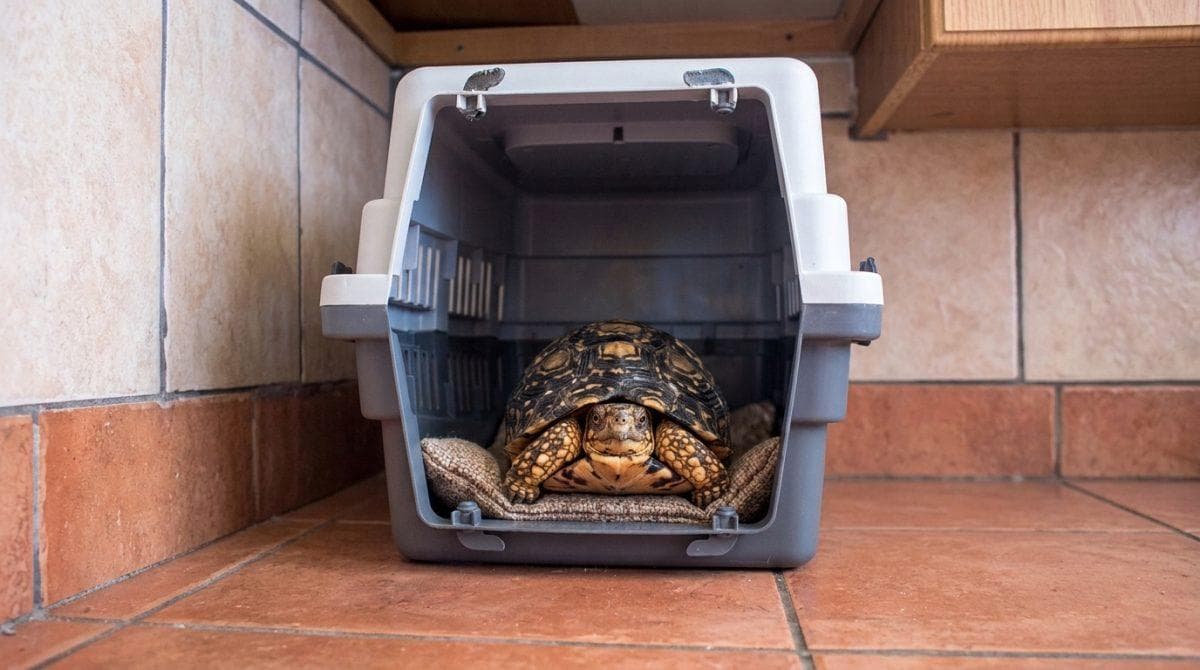
Moreover, this lucrative trade threatens rare native species like the flattened musk turtle while driving intense demand across global smuggler routes. Conversely, regional conservation centers face unprecedented operational pressures as confiscated animals overwhelm available quarantine facilities, given that the Turtle Conservancy in Ojai, founded in 2005 by Eric Goode as a research and habitat protection facility, received 810 confiscated turtles and tortoises since 2017 with over 400 specimens arriving within a single 6-month span.
Subsequently, this massive influx pushed the center to its absolute operational limit, prompting wildlife experts to urge stronger federal sanctions and increased funding to prevent complete ecological collapses in vulnerable native populations.
Escalating transport operations linking Southern California to Asia’s illegal wildlife market
Smuggling operations targeting American turtles and tortoises expanded rapidly over the last 7 years, driven by high profit margins and global demand within Asia’s illegal wildlife market. Additionally, poachers utilize digital platforms and social media networks to coordinate harvest locations, connect with international brokers, and arrange rapid transport through major urban export centers.
Indeed, special agents like Manisa Kung from the US Fish and Wildlife Service identify Miami, John F. Kennedy International Airport in New York, Texas, and the Mexican border as key supply nodes even though Southern California maintains an unmatched volume of outward trade along every illegal wildlife trafficking route. Meanwhile, high-value species like the flattened musk turtle, restricted to portions of Alabama, face immediate extinction threats in the wild due to this relentless commercial pressure.
Consequently, alarming operational conditions force law enforcement agencies to seek stronger judicial penalties that align wildlife trafficking with organized crime charges. Specifically, legal frameworks struggle to impose effective deterrents against high-level trafficking syndicates operating across state lines, as highlighted by Sara Walker, senior wildlife trafficking advisor for the Association of Zoos and Aquariums.
Judicial gaps and mortality rates in Los Angeles has an unusual connection
Particularly striking are court rulings against 2 brothers caught attempting to export 635 turtles valued at over $1M which resulted in minor prison sentences of just 1 year and fines under $15K to illustrate severe gaps between environmental crimes and judicial punishment. Although the Association of Zoos and Aquariums established the Wildlife Trafficking Confiscation Network 3 years ago to handle temporary housing for recovered animals across Southern California institutions by placing over 4.6K specimens across 135 distinct cases with major facilities like the San Diego Zoo, Los Angeles Zoo, Santa Ana Zoo, and the Ojai center, high mortality rates persist among rescued reptiles due to extreme dehydration, severe crowding in tiny boxes and stress suffered during illegal transit that leaves them vulnerable to fatal diseases.
Infrastructure limits and pending legislative funding for Los Angeles wildlife market
Emergency confiscations frequently exceed the structural capacity of rescue facilities, leaving conservationists unable to accommodate additional incoming animals without compromising existing populations. Similarly, the Turtle Conservancy expanded its physical footprint by constructing a 14.4K sq ft greenhouse and a 6K sq ft cold enclosure capable of housing 500 turtles and allowing non-local species to hibernate safely.
Beyond physical space constraints, founder Eric Goode emphasized that the center cannot accept an additional 300 specimens because mixing new arrivals with their resident population of over 65 protected species creates extreme biosecurity risks. Maintaining each confiscated animal requires substantial daily resources including specialized food, expert veterinary staff, electricity, water and strict sanitary isolation protocols.
Equally challenging are federal legislative efforts to provide dedicated financial support which remain stalled in Congress, leaving rescue organizations to shoulder immense financial burdens. Given that the pending Wildlife Trafficking Confiscation Network Act proposes $5M annually over a 5-year period to care for confiscated animals and expand the pilot network nationwide though lawmakers have yet to bring the bill to a vote, media producer Jeremy McBride, known for collaborating with Goode on the documentary series Monsters of God, joined the conservationist in arguing that even if approved, the proposed government budget would amount to little more than a drop in the ocean compared to the vast financial demands of the crisis.
Driven by these realities, law enforcement officials and conservation advocates continue pushing prosecutors to link wildlife smuggling with racketeering and financial crime charges to secure longer prison terms and deter international syndicates, demonstrating how every illegal wildlife trafficking route fuels global organized crime.
Primary exit points fueling Asia’s illegal wildlife market
Federal authorities and wildlife experts monitor several critical transit locations that facilitate illegal reptile exports across international borders:
-
Los Angeles International Airport serves as a major air cargo hub for illicit reptile shipments destined for foreign markets.
-
The Port of Los Angeles operates as a primary maritime exit point for large-scale wildlife smuggling operations heading overseas.
-
The Port of Long Beach handles extensive container traffic that trafficking networks exploit to conceal endangered species.
-
Southern California border crossings facilitate the rapid movement of poached wildlife along an Los Angeles wildlife market supply chain, highlighting how regional hubs support illegal trade.
Genomic mapping tools and global reintroduction programs
Rescuing confiscated animals represents only the first step in a complex recovery process aimed at returning species to their precise geographic origins. In addition, ecologist and herpetologist Brad Shaffer from the University of California, Los Angeles develops comprehensive genomic maps to determine the exact origin of poached specimens with the goal of completing a reference map for a primary species within 1 year before expanding to 6 others across every major international network.
By comparing DNA against known wild populations, researchers easily identify whether a confiscated eastern box turtle originates from Maryland, Texas or Connecticut, offering critical clarity on how specimens tied to the Los Angeles wildlife market move across state lines. Furthermore, even deceased specimens provide critical biological data to trace illegal harvesting hotspots and ensure animals are not released into unsuitable environments like Georgia where climate mismatches reduce survival rates.
Simultaneously, state-level permit requirements create substantial administrative hurdles that slow down release protocols even when genetic origins match perfectly.
Global breeding initiatives and species repatriation efforts
International breeding programs demonstrate potential pathways for restoring critically endangered species to protected natural environments. For instance, after rescuing a group of angonoka tortoises from Asian traffickers in 2010 the Turtle Conservancy spent 15 years in captive breeding efforts to successfully produce 25 hatchlings while constructing an 11-acre gradual release enclosure in Madagascar to monitor their survival in native habitats where adult specimens command six-figure prices on the black market, conservationists in South Carolina prepare to release 30 eastern box turtles into protected native ranges this month in collaboration with local partners.
Operating against this complex backdrop of ecological pressure and global transit dynamics, ongoing rescue initiatives continue reshaping wildlife protection frameworks while local institutions confront the persistent realities tying Southern California directly to the Los Angeles wildlife market.
