

WATCH NOW
Watch on the app











Los Angeles residents face soaring utility bills as heat drives up costs, but how long will it last and what can they do?
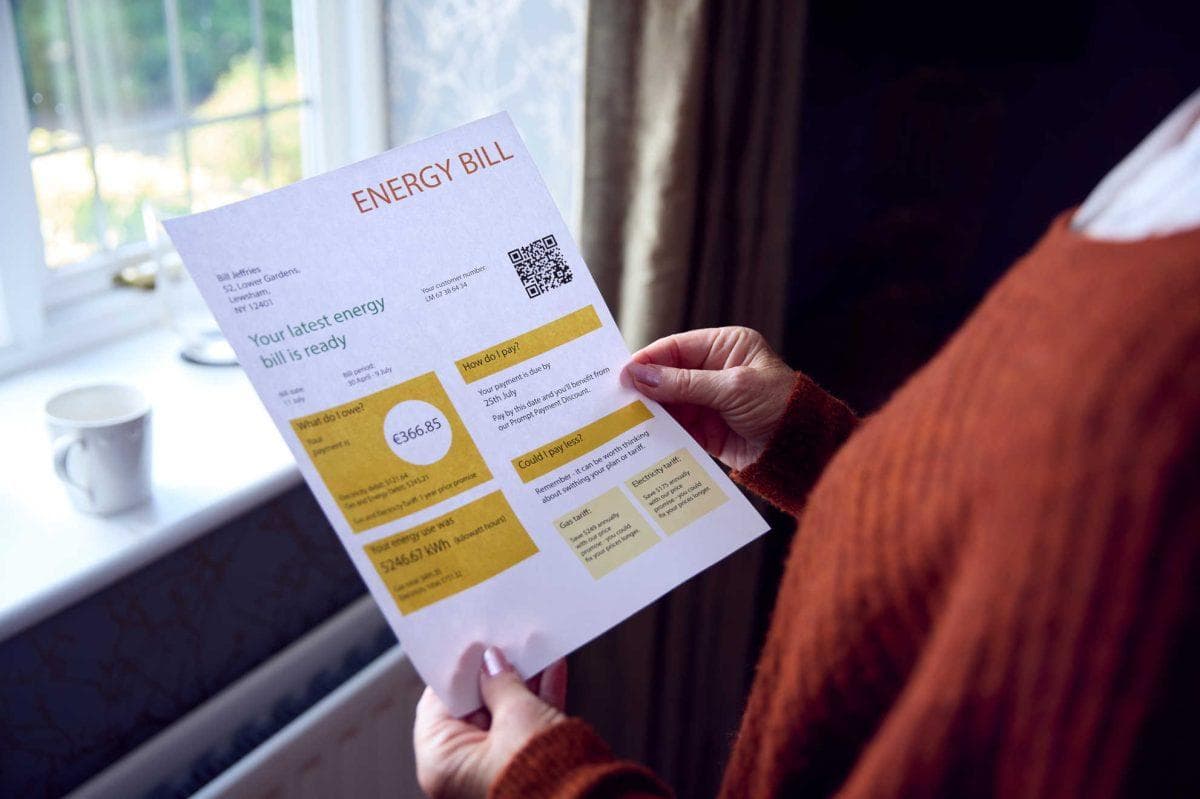
- Excessive air conditioning usage during extreme heat waves triggered skyrocketing prices on light bills across thousands of homes in Los Angeles.
- Alarming cases involving local businesses exposed exorbitant water and power charges, sparking an official municipal investigation.
- Residents across The United States and the Latino community desperately seek payment plans or financial assistance to soften the budget hit from high energy rates.
Suffocating summer heat hits the wallets of California families with full force
Trapped between stifling temperatures that easily surpassed ninety-eight degrees Fahrenheit and energy costs that seem to have no ceiling, thousands of West Coast residents face an unexpected financial crisis due to the brutal spike in light bills issued by the Los Angeles Department of Water and Power. Furthermore, this troubling situation, which quickly escalated to national media after combined utility charges touched staggering figures near thirty-five thousand dollars for local businesses and thousands of dollars for private residences, forced municipal authorities to launch an exhaustive investigation into current billing structures.
Consequently, collective outrage mobilized more than twenty-eight thousand citizens who signed a formal petition demanding clear explanations regarding energy rates, prompting the city controller to step in directly and review a billing system that severely penalizes essential household consumption during the hottest months of the year in The United States as an unrelenting heat wave sweeps the nation.
The tiered rate trap and the silent increase in electric service costs
In this sense, explaining the mechanics of this severe financial blow that disrupted the local economy and thousands of regional households due to high energy rates, utility officials argue that the central issue lies in LADWP’s three-tier seasonal structure designed to discourage excessive usage during the summer season. In this manner, when families turn on their cooling systems to survive extreme heat waves recorded between June and September, their electricity consumption automatically jumps into the third billing tier, where each kilowatt-hour carries a significantly higher price tag.
However, independent analysts and consumer advocates point out that extreme heat alone does not explain this financial disaster, as the baseline price of energy suffered a twenty-three percent rate hike over recent billing cycles, turning a cool home in Los Angeles into an almost unattainable luxury for working families who watch their light bills devour a major portion of their monthly income while requiring urgent financial assistance.
Ver esta publicación en Instagram
Financial assistance mechanisms and practical alternatives to relieve the economic burden
Therefore, seeking to cushion the immediate impact of these astronomical balances and avoid widespread service disconnections in vulnerable communities, the utility provider enabled various budget flexibility plans, such as level payment programs serving as financial assistance to spread accumulated balances into monthly installments over up to three years. Likewise, qualifying low-income families can apply for federal grants offering economic relief up to fifteen hundred dollars to settle outstanding light bills in Los Angeles, provided they submit applications before accounts enter delinquent status.
In conclusion, while official investigations move forward to determine whether improper charges occurred within the energy rates system, expert recommendations focus on setting thermostats to seventy-eight degrees Fahrenheit and taking advantage of energy-efficiency rebates to safeguard household budgets against upcoming heat waves that will continue affecting the region.
Practical guide and actionable recommendations to curb soaring light bills during heat waves
Setting the air conditioner thermostat to seventy-eight degrees Fahrenheit represents the single most effective measure to avoid jumping into LADWP’s most expensive billing tiers; in this regard, combining the use of cooling systems with ceiling fans helps circulate cool air continuously, which creates a noticeably more comfortable thermal sensation without unnecessarily raising electrical power consumption. Therefore, keeping curtains and blinds completely closed during peak solar radiation hours proves essential, as this action blocks incoming outdoor heat and consequently prevents climate control equipment from running at maximum power, thereby protecting family budgets across The United States so that light bills do not spiral out of control.
Optimizing appliance usage and shifting energy consumption away from peak hours
For their part, scheduling heavy appliances like washing machines, dryers and dishwashers during evening hours or off-peak demand periods substantially helps safeguard the finances of the Latino community; as a result of this strategy, avoiding running large machinery during the hottest hours of the day reduces indoor heat accumulation inside living spaces and prevents soaring spikes in electrical consumption. Additionally, unplugging electronic devices left on standby mode and taking advantage of municipal rebate programs to install attic thermal insulation guarantees a sustained reduction in utility service costs; consequently, households successfully mitigate the financial impact and maintain efficient long-term control over home expenses.
Key steps to request financial assistance and payment agreements
-
Enrollment in averaged payment programs: Through LADWP’s Level Pay plan, customers can spread summer usage spikes into fixed monthly installments over 12 to 36 months.
-
Applying for direct federal subsidies: Consequently, qualifying low-income families have the option to receive up to $1,500 through the LIHEAP program to settle energy debts.
-
Flexible payment agreements: In the same way, customers with past-due balances can set up interest-free deferred payment plans before accounts officially enter delinquent status.
