

WATCH NOW
Watch on the app












Florida daredevil diver pulls 36,000 venomous invaders from the ocean in a record-breaking underwater hunt
- An intrepid group of divers completed an epic underwater hunt after pulling thousands of lionfish specimens from Florida waters.
- Environmental authorities across The United States rewarded the extreme efforts of participants who saved local oceanographic biodiversity.
- The community and thousands of water sports enthusiasts celebrate this historic milestone safeguarding marine conservation and coral reefs from invasive species.
An underwater feat breaking all records in marine conservation
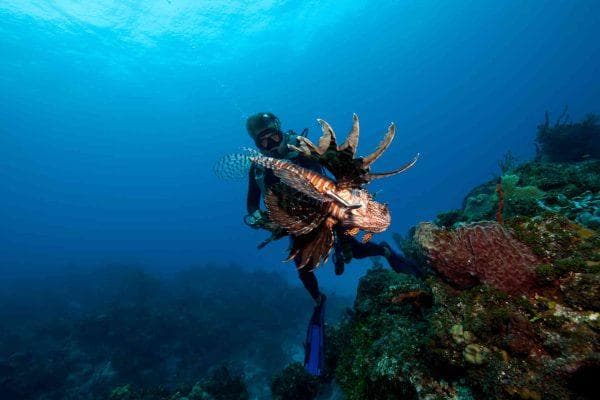
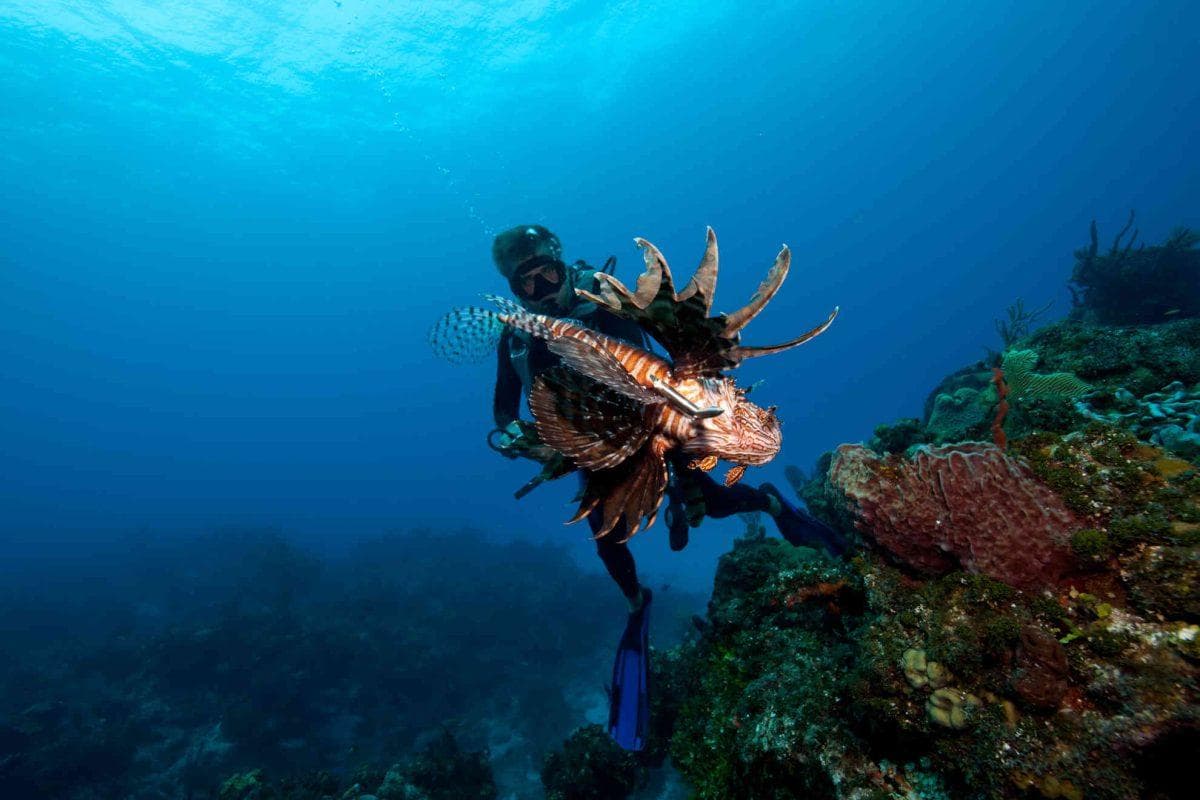
Accepting an adrenaline-fueled challenge packed with genuine danger in the depths of the Atlantic, over five hundred daring divers submerged themselves throughout the summer season to carry out the most impactful underwater hunt ever recorded along North American shores; furthermore, officially organized by the Florida Fish and Wildlife Conservation Commission, this annual tournament successfully removed a staggering thirty-six thousand one hundred and eighty-seven venomous lionfish specimens that threatened local coral reefs and broader oceanographic biodiversity, topping the previous year’s figures by over five thousand captures. Consequently, this environmental triumph mobilizing hundreds of vessels across Florida generates immense pride among local residents and the community, who view this achievement as clear proof of how collective action can halt the destructive spread of exotic invasive species in our seas for long-term marine conservation.
Champions of the deep and stories behind the top hunters
Likewise, demonstrating extreme skill when facing dangerous venomous spines packed with lionfish toxins, elite hunters like Hunter Ledbetter and Helen Rodney earned top honors in this extreme competition after logging truly astonishing capture numbers that amazed marine biologists. In this regard, Ledbetter, representing Monroe County and a military veteran, claimed the main title after single-handedly removing over fifteen hundred specimens of these invasive species during his intense underwater sessions, edging past the previous edition’s winner by just one fish.
In the same manner, Rodney demonstrated unstoppable consistency by climbing to the top of the women’s category with fourteen hundred and eighty-eight removals, cementing this risky underwater hunt as the most critical ecological event for Florida athletes while drawing steady media attention tracking coastal ecosystem protection, marine conservation, and the oceanographic biodiversity enjoyed by the general community.
The lingering threat of lionfish and ecological impact in tropical waters
On the other hand, understanding that this remains one of the most damaging invasive species lacking natural predators since its first sighting near Dania Beach back in the 1980s, the unchecked spread of this apex predator systematically endangered native aquatic fauna across the Gulf of Mexico and the Caribbean Sea. Armed with venomous spines capable of delivering excruciating stings alongside a voracious appetite devouring native species at an alarming pace, the advance of this marine plague called lionfish demanded a decisive response from coastal residents to preserve oceanographic biodiversity and support marine conservation across Florida. In conclusion, the successful completion of this underwater hunt not only marks an unprecedented milestone in environmental management across The United States, but also inspires the community to actively participate in responsible fishing tournaments that restore balance to ocean life and guarantee healthy coral reefs for generations to come.
Key figures from the ecological tournament along Florida coasts
- Record diver participation: Over 500 registered participants completed nearly 1,500 ocean dive trips throughout the summer.
- Total specimens removed: Teams pulled 36,187 venomous fish from state waters, frequently breaking historical state records.
- Highest volume collection point: The specialized checkpoint in Pensacola collected over 5,000 lionfish tails submitted for official verification.
