

WATCH NOW
Watch on the app













Scientists issue horror warning as potentially catastrophic impact of Super El Niño is near
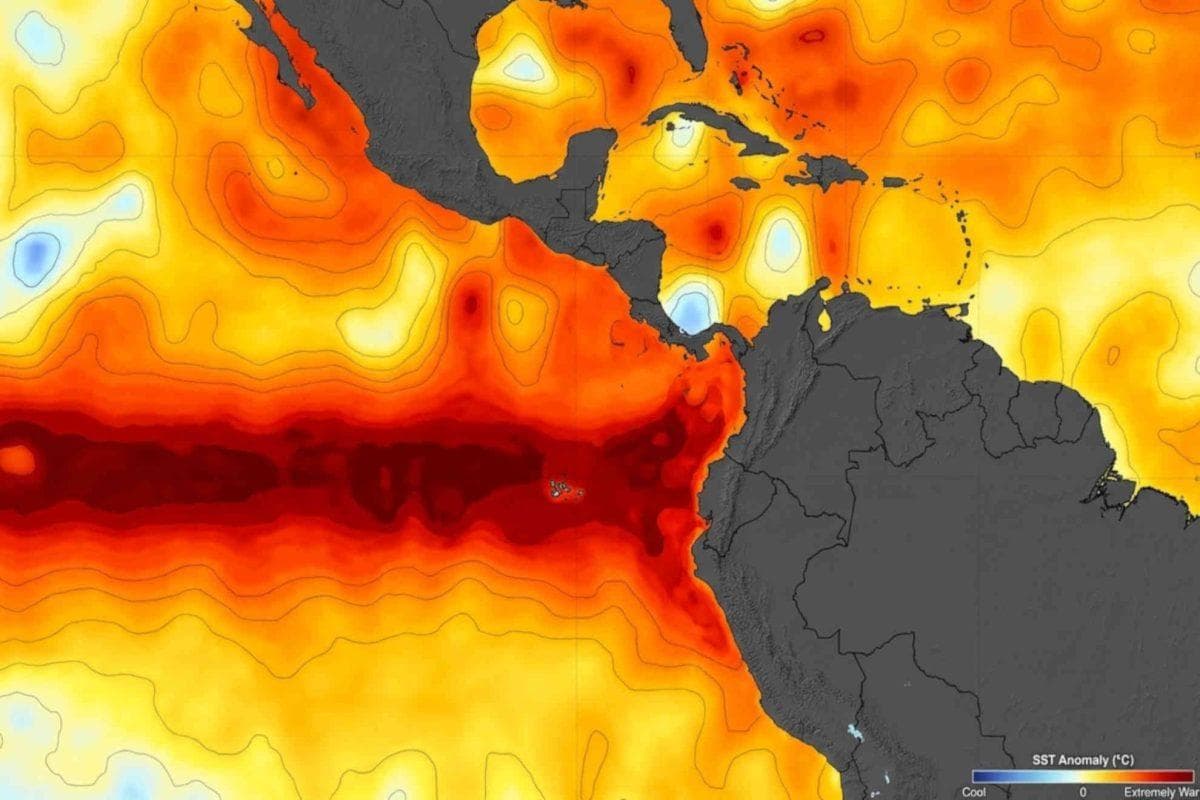
- Climate experts issue an urgent warning regarding the imminent impact of the climate phenomenon known as Super El Niño along Pacific coast areas.
- Warm water masses will trigger a historic rise in sea level that could cause severe catastrophic flooding across The United States due to climate change.
- Families residing in coastal areas must prepare to face unprecedented extreme erosion and catastrophic flooding as the climate phenomenon advances.
An unprecedented climate threat that will test the resilience of coastal areas
Triggering alarm bells within the international scientific community due to the rapid warming of Pacific Ocean waters and accelerating climate change, recent forecasts from the National Oceanic and Atmospheric Administration warn that the climate phenomenon popularly known as Super El Niño will reach near-record intensity with an 83 percent probability of becoming the most destructive event recorded since the mid-last century, prompting experts to send an urgent warning.
Furthermore, this massive shifting body of warm water will create a temporary ocean bulge along the Pacific coast that will raise the sea level up to 40 centimeters above normal averages, generating an active threat of coastal erosion and catastrophic flooding extending all the way from the chilly shores of Alaska down to southern Chile. Therefore, this concerning weather disruption will directly impact infrastructure across vulnerable communities in The United States, forcing families residing in coastal towns to adopt immediate preventive measures to safeguard their homes against inevitable storm surges set to batter the region in the coming months.
Alarming figures and a sea level rise equivalent to several decades of climate change
To explain the magnitude of this natural disaster caused by the climate phenomenon using advanced oceanographic modeling developed by researchers at Oxford University, climate projections suggest that the intensity of this cycle will temporarily raise the ocean surface and global sea level between November and December to heights that would normally take four to five decades to reach through gradual climate change. In this manner, island regions along the Pacific coast alongside coastal areas like the Galapagos Islands, Ecuador, and Peru will experience substantial water volume increases between 24 and 40 centimeters, effectively doubling the frequency of hazardous high tides across inhabited shorelines.
Consequently, the unchecked development of Super El Niño will maintain extreme weather conditions featuring “catastrophic flooding” and other severe events throughout the remainder of 2026 and early 2027, posing a monumental economic and social risk for West Coast residents in The United States while leaving a lasting mark on the community reliant on coastal trade and fishing, underscoring the necessity of this urgent warning.
Global consequences and the imperative need for continuous monitoring to prevent tragedies
On the other hand, understanding that this climate phenomenon forms part of the complex Pacific oscillation interacting with the cooling phase known as La Niña, the massive accumulation of heat across the equatorial belt is destabilizing global weather patterns, accelerating climate change while alternating suffocating droughts in certain regions with torrential rains and catastrophic flooding in others. Additionally, when combined with elevated ocean temperatures and rising sea level trends driven by ongoing climate change, the repercussions of this Super El Niño threaten to breach coastal defenses, destroy fragile marine ecosystems, and severely compromise the safety of beachfront homes along the Pacific coast.
Scientists issue horror warning as potentially catastrophic impact of Super El Niño starting to be seen https://t.co/zc9yd90YeR https://t.co/D8uO1cpThm
— LADbible (@ladbible) October 20, 2026
As seen, the imminent arrival of this devastating climate cycle demands that government authorities in The United States and local community organizations unite efforts behind this urgent warning to coordinate evacuation plans, reinforce coastal infrastructure and educate the public on the dangers of a phenomenon promising to drastically transform marine geography in the short term.
Geographical areas most vulnerable to sea level rise
- The Galapagos Islands and the equatorial belt: Scientific projections estimate immediate ocean rises between 24 and 40 centimeters.
- The coasts of Ecuador and Peru: Water volume could rise up to 33 centimeters, severely impacting port operations.
- The West Coast of North America: Severe land erosion and dangerous storm surges are expected from Alaska down through California.
