

WATCH NOW
Watch on the app








Six Flags roller coaster pushed the limits and riders say their brains paid the price
-
Roller coaster safety protocols remain under intense scrutiny as multiple visitors report severe neurological trauma from high-speed attractions.
-
Federal inspectors examine safety protocols after multiple visitors sustain serious injuries on the high-speed circuit.
-
Legal representatives file multiple complaints demanding enhanced accountability from major theme park operators nationwide.
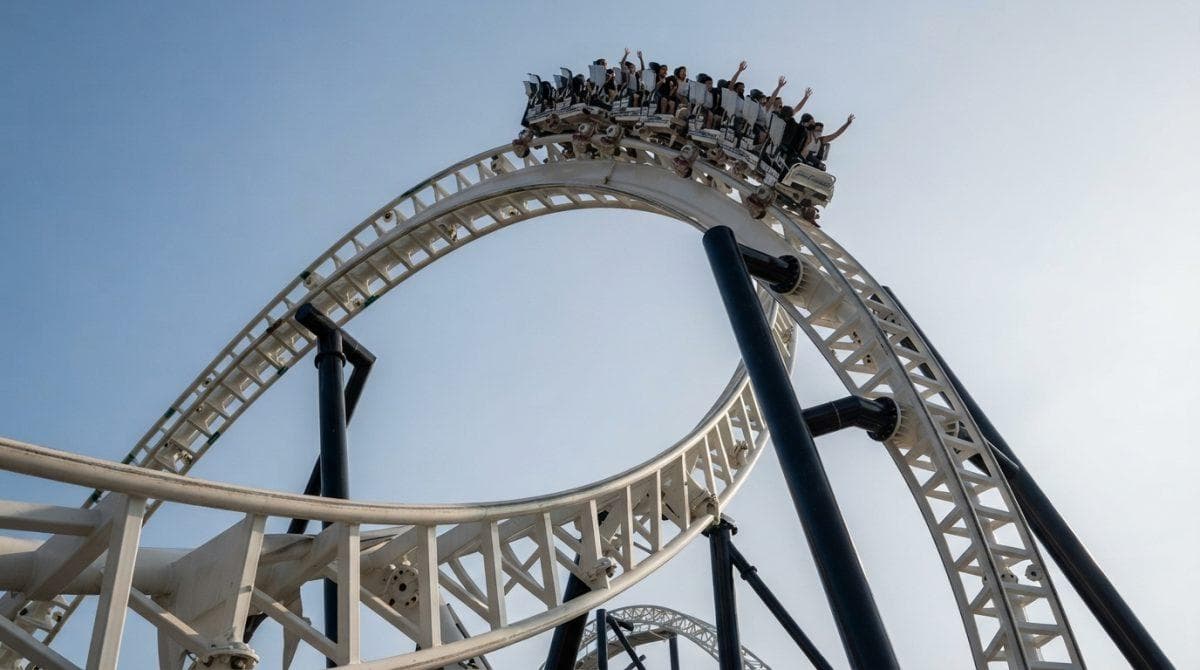
More than 100 individuals have filed legal claims alleging that the X2 roller coaster at Six Flags Magic Mountain caused severe brain injuries, with multiple plaintiffs explicitly highlighting ongoing lawsuits at Six Flags and ongoing investigations reveal that at least one victim remains hospitalized in a coma following a ride earlier this year, while civil attorney Christopher Bulone recently organized a press conference in Los Angeles alongside affected families to announce three new legal complaints against the Valencia facility, whereas corporate representatives maintain that all park structures undergo rigorous daily safety evaluations before welcoming visitors.
Medically speaking, specialists treating the injured passengers confirmed that the trauma resulted from rapid acceleration and deceleration forces unique to the fourth dimension ride design, while additional litigants have stepped forward to report similar neurological damage from recent visits; simultaneously, park administrators emphasize their commitment to maintaining industry-leading safety standards across all active attractions, though public scrutiny continues to mount as legal experts anticipate numerous additional filings regarding similar disputes.
Roller coaster safety limits and legal repercussions
-
Attraction safety protocols face intense public scrutiny after multiple passengers sustain severe neurological damage from high-speed rides.
-
Legal advocates demand immediate operational halts to prevent further passenger injuries across major amusement parks.
-
Corporate officials defend their maintenance procedures while independent experts analyze the mechanical forces causing rapid acceleration trauma.
-
Victims and their families continue pursuing formal litigation to establish stricter federal oversight for extreme theme park rides.
Ver esta publicación en Instagram
Legal professionals representing the injured plaintiffs argue that structural design flaws contribute directly to the alarming frequency of traumatic brain injuries reported this season; additionally, medical reports from specialized physicians confirm that rapid rotational forces during the ride cycle exceed safe physiological tolerances for standard passengers, prompting industry watchdogs to advocate for mandatory independent audits of all complex amusement rides operating within the United States, while park management defends their compliance with existing regulatory frameworks, ensuring every ride complies with established federal safety thresholds.
Roller coaster maintenance protocols and corporate accountability standards
Theme park operators maintain that extensive daily inspections and advanced mechanical monitoring systems ensure absolute passenger safety before each morning operation; furthermore, corporate statements emphasize strict adherence to manufacturing guidelines established by industry authorities, though plaintiff attorneys counter that current inspection protocols fail to address the specific biomechanical stresses generated by fourth-dimension roller coasters, thereby driving nationwide legislative changes regarding high-velocity amusement rides.
Federal transportation agencies and safety regulators monitor ongoing litigation closely to determine whether additional mandatory restrictions are necessary for extreme thrill rides; subsequently, consumer advocacy groups utilize these high-profile cases involving ongoing lawsuits at Six Flags to highlight potential gaps in state level oversight, while industry analysts predict that unfolding legal battles will permanently alter how major amusement corporations handle passenger safety disclosures and emergency incident reporting across their properties, transforming how every circuit is monitored during daily operations.
Timeline of specific incidents and technical engineering details
-
Pam Guillen, aged 40, sustained severe injuries during her ride on July 5, leading to significant legal action against park management.
-
Naomi Greer-Wilkinson, aged 26, suffered critical trauma on July 11 and remains hospitalized in a coma following the incident.
-
Michael Wilk reported sustaining injuries during an earlier visit, noting that earlier public reports might have prevented subsequent accidents.
-
The 215-foot structure, originally opened as X in 2002, permanently ceased operations on July 12 following these hospitalizations, directly impacting popular thrill ride operations.
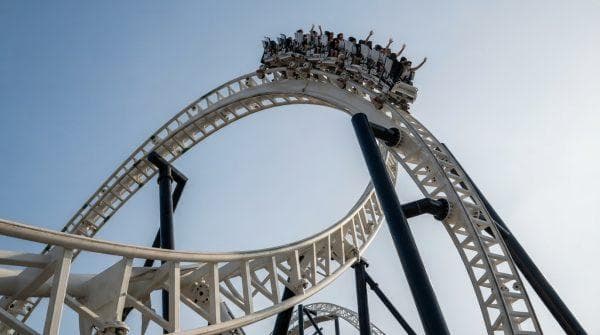
Engineering reports indicate that the 215-foot tall structure, originally launched as X in 2002, operates by fixing vehicles to a central axle while seats rotate 360 degrees on either side of the track, achieving velocities exceeding 78 miles per hour; consequently, medical experts explained that rapid acceleration and deceleration forces during the circuit caused severe neurological trauma for both Guillen and Greer-Wilkinson amid rising lawsuits at Six Flags.
In addition, legal representatives highlighted that this unique fourth dimension model, originally engineered by the now-defunct Arrow Dynamics with successors like S&S Worldwide building similar models such as Eejanaika in Japan and Dinoconda in China, presents unprecedented biomechanical challenges, leading Artemis, the mother of Greer Wilkinson, to strongly criticize the operational continuity of such extreme attractions, while corporate spokespersons reiterated their policy of withholding comments on pending litigation.

Users share their thoughts on security issues and lawsuits at Six Flags.
Historical background and cultural context of the park
Six Flags Magic Mountain opened its doors in 1971, establishing itself as a premier entertainment destination in southern California featuring popular characters from DC Comics and Looney Tunes; throughout its history, the property has served as a prominent backdrop for numerous Hollywood productions, including the 1977 disaster film Rollercoaster and the classic 1983 comedy National Lampoon’s Vacation starring Chevy Chase.
Amusement park executives face mounting pressure from legal experts and consumer advocates to overhaul risk disclosure practices for high-velocity attractions; meanwhile, structural engineers evaluate potential design modifications to mitigate extreme acceleration forces on future attraction models, prompting insurance providers to review premium structures for major entertainment venues as litigation costs escalate across the industry, while public interest groups campaign for stricter federal safety mandates governing commercial theme parks.
Corporate communications teams continue navigating complex public relations challenges while defending operational integrity and emergency response procedures; concurrently, legal strategists prepare for extended courtroom battles over liability standards in amusement park injury cases. Shaping the horizon of safety regulations and operational protocols for extreme attractions nationwide, these unprecedented legal proceedings determine future standards, leaving lasting impacts regarding lawsuits at Six Flags.
Ver esta publicación en Instagram
