

WATCH NOW
Watch on the app












More cameras will be reading Los Angeles license plates but what happens after they scan your car?
-
License plate readers in LA expand significantly across local neighborhoods through a major technological modernization.
-
The 10-year contract with Axon Enterprise incorporates advanced digital evidence storage and artificial intelligence.
-
City officials face growing scrutiny over drivers data and potential identification errors during daily transit.
The Los Angeles Police Department (LAPD) advances a major technological transformation by deploying advanced surveillance systems across a metropolis where the automobile forms an essential part of the daily routine, subsequently affecting everyone from commuters taking the 405 freeway to work, to families driving through the San Fernando Valley, South L.A., East L.A., or the Wilshire corridor, while municipal authorities recently approved a 10 year contract with Axon Enterprise valued at approximately $235,000,000 to modernize public safety operations through thousands of body worn cameras, electronic control weapons, and automated data processing tools designed to streamline daily police work throughout the region.
Meanwhile, the initiative introduces more than 1,600 specialized units attached to patrol vehicles, alongside a 3-month pilot program testing public street fixtures; this unprecedented deployment sparks intense community discussions regarding public oversight and the digital privacy of local motorists. Law enforcement administrators emphasize that these systems optimize investigative workflows, yet civil advocates demand strict safeguards to protect confidential information and prevent unwarranted tracking across city neighborhoods, especially for immigrant families where a routine traffic stop triggers severe stress due to language barriers or demanding work schedules.
Expanding automated surveillance for LAPD patrol vehicles
-
The agreement incorporates more than 1,600 mobile units connected directly to cruisers to operate as advanced optical recognition devices.
-
The onboard technology captures high-resolution images of passing vehicles to scan alphanumeric strings without requiring immediate human intervention.
-
Investigators utilize these automated feeds to locate specific automobiles linked to active inquiries or stolen property reports across local streets.
The onboard system captures high-resolution images of passing vehicles to scan alphanumeric strings without requiring immediate human intervention, whereas investigators utilize these automated feeds from license plate readers in LA to locate specific automobiles linked to active inquiries or stolen property reports while covering major thoroughfares like Sepulveda, Vermont, Olympic and Sunset Boulevard, and each recorded sighting automatically indexes exact geographical coordinates and timestamps into secure digital repositories, significantly reducing the manual workload previously demanded from officers on duty.
Conversely, a positive database match does not confirm illegal activity or driver culpability, but the system routinely registers hundreds of vehicles circulating normally through crowded local streets, raising critical questions about how police administrators store and handle routine traffic information, especially since a recent Office of Inspector General review linked past device usage to 337 vehicle recoveries alongside 161 erroneous stops caused by outdated records, highlighting the operational risks of automated monitoring.
Testing new monitoring devices on public lighting infrastructure
-
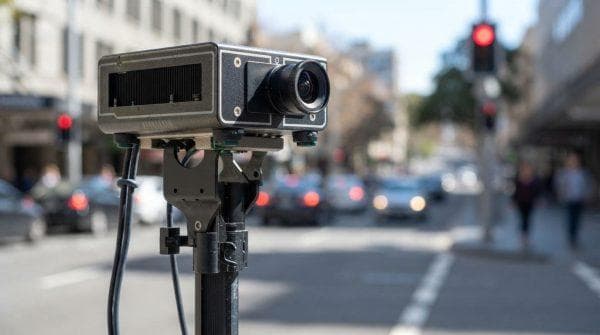
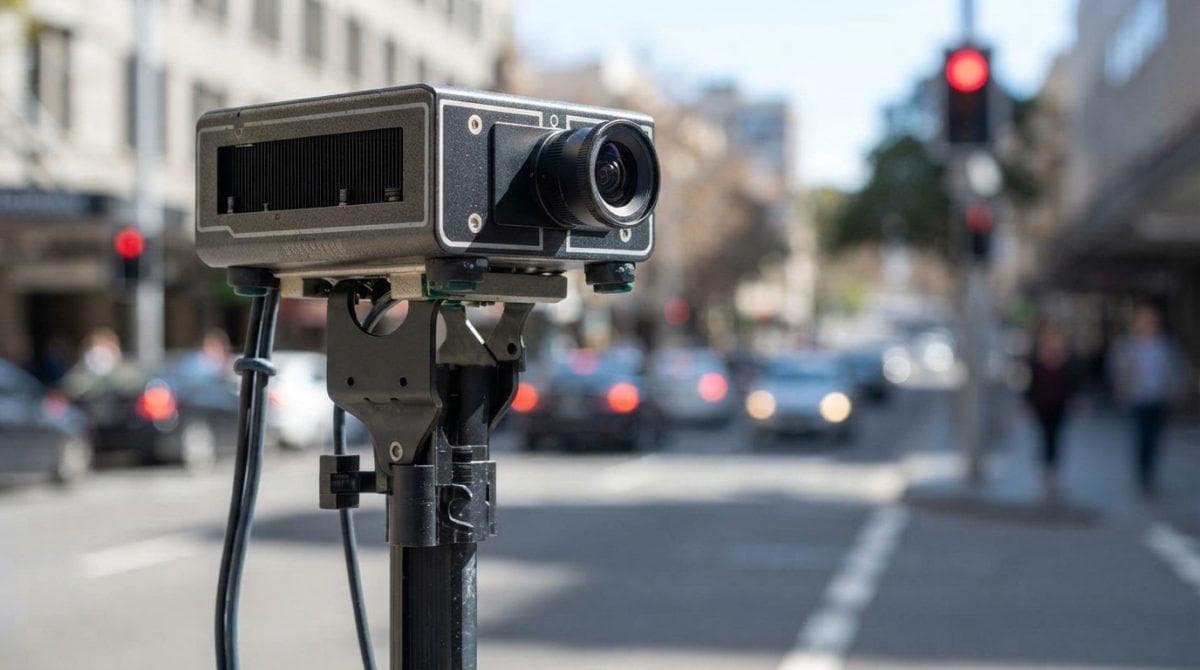
The Board of Police Commissioners authorized a 3-month pilot project to test specialized surveillance hardware mounted directly onto municipal utility poles.
-
Subcontractor Ubicquia manages the physical installation while leveraging existing electrical grids to power the experimental equipment.
-
These compact units combine optical recognition software with artificial intelligence capabilities to detect vehicles, pedestrians, and surrounding objects.
The Board of Police Commissioners authorized a 3-month pilot project to test specialized surveillance hardware mounted directly onto municipal utility poles, where subcontractor Ubicquia manages the physical installation while leveraging existing electrical grids to power the experimental equipment that combines optical recognition software with artificial intelligence capabilities to detect vehicles, pedestrians, and surrounding objects within public view at $0 cost during the trial phase.
Nevertheless, official documents currently classify specific test locations under pending administrative notices marked as TBA, though local drivers and transit workers express deep interest in knowing which neighborhoods will host the initial trials, prompting community stakeholders to urge LAPD leaders to publish transparent selection criteria before full operational deployment begins, while rigorous evaluation during this initial trial period remains essential to determine whether the equipment meets municipal privacy standards and avoids repeating past database discrepancies.
Auditing past performance and license plate readers in LA
-
Recent evaluations conducted by the Office of Inspector General analyzed previous device deployments and identified notable discrepancies within the automated alert registry.
-
Oversight commissioners recommended strengthening data verification protocols, improving intervention records, and pausing unauthorized expansions of LAPD until public accountability is established.
-
All generated files are routed into encrypted cloud storage environments managed through Microsoft Azure Government Cloud.
Recent evaluations conducted by the Office of Inspector General analyzed previous device deployments and identified notable discrepancies within the automated alert registry, prompting oversight commissioners to recommend strengthening data verification protocols, improving intervention records, and pausing unauthorized expansions until public participation and accountability measures are fully established, while all generated files route automatically into encrypted cloud storage environments managed through Microsoft Azure Government Cloud to ensure that private tech vendors cannot distribute records to external entities without explicit institutional consent.
Maintaining strict boundaries around institutional policies remains a top priority for community watchdogs monitoring file conservation limits and access permissions, similarly as local communities evaluate how future implementations balance technological expansion against civil liberties, because technological modernization accelerates across Southern California as LAPD integrates artificial intelligence assistants like Draft One for police report generation toward January 2028, actively shaping how public oversight governs license plate readers in LA.
Ver esta publicación en Instagram
