

WATCH NOW
Watch on the app









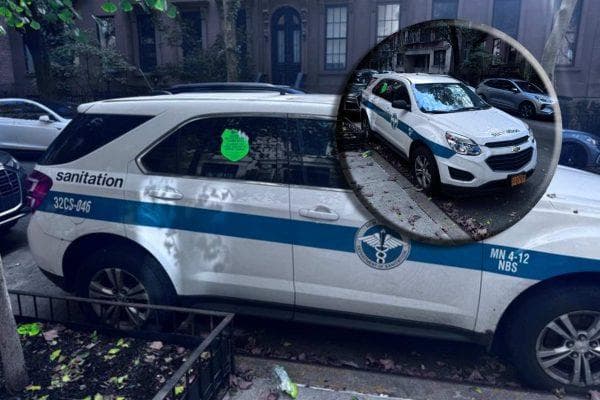

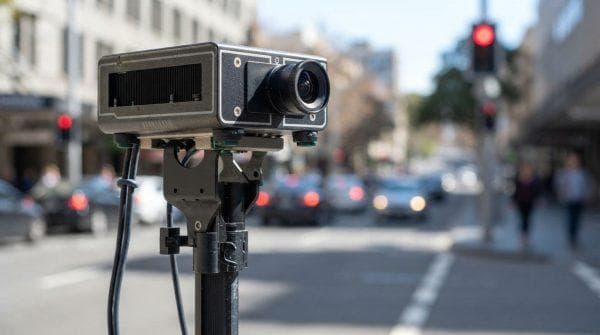



Dallas residents may want to check their homes before the next garbage truck rolls by

-
Dallas deployed 100 artificial intelligence cameras on sanitation trucks to automatically detect code violations.
-
The automated scanning technology flagged potential property issues across more than 21 000 residential addresses.
-
Community leaders express strong concern that the enforcement system unfairly burdens lower income South Dallas neighborhoods.
Homeowners throughout the city of Dallas are adapting to an unprecedented level of municipal oversight as local authorities transition from experimental automated scanning to active financial enforcement across local neighborhoods. Utilizing advanced artificial intelligence camera systems attached directly to the city’s sanitation truck fleet, municipal code compliance officers are now actively issuing formal citations and courtesy warnings for property maintenance infractions detected during routine trash collection routes across residential streets.
Comprehensive visual scans and widespread neighborhood monitoring
The automated surveillance initiative escalated following the approval of a 2.55 million dollar contract with technology vendor City Detect Inc, equipping 50 sanitation vehicles with 100 specialized optical units. Performing visual neighborhood scans roughly every 30 days, the high speed processing software identified potential code violations across more than 21 000 property addresses within four months of deployment, assigning blight severity scores from one to four to assist human inspectors in prioritizing physical code enforcement workflows.
Ver esta publicación en Instagram
Aggressive notice phrasing creates widespread resident alarm
While municipal administrators maintain that the thousands of initial mailings represent non binding courtesy notifications, the stern phrasing embedded within the letters has triggered intense backlash from local homeowners. Residents reported receiving formal notices detailing identified violations that demand immediate property corrections to avoid severe legal action, with some pointing out that the automated image algorithms frequently misidentified standard roofing repairs and permanent weatherproof patching as active structural code breaches.
Ver esta publicación en Instagram
Disproportionate enforcement geographic debate in South Dallas
The rollout has sparked significant equity debates among city council members due to the heavy concentration of early enforcement actions in specific geographic areas. Official municipal records indicate that approximately 68 percent of the first batch of official citations targeted properties located within predominantly Black and Hispanic South Dallas council districts. Community advocates warn that rapid automated detection risks functioning as an unintended financial penalty on lower income residents who lack immediate capital for costly exterior repairs and home restoration projects.
Ver esta publicación en Instagram
Administrative defense and broader public privacy concerns
In response to rising public criticism, city administrators have vigorously defended the program by emphasizing that automated visual scanning significantly improves operational efficiency and data collection capabilities for field staff. Officials reassured the public that facial features and vehicle license plates captured by the optical sensors are automatically blurred to protect privacy rights, confirming that recorded images remain stored securely for one year without being linked to law enforcement databases as the department seeks voluntary compliance over revenue generation.
