










Fast food is everywhere in South Los Angeles but Latino families found an alternative hiding in plain sight
-
Local community alternative drives Latino South Los Angeles to combat food deserts with fresh produce since 2003.
-
Regional farmers markets operate actively to counter the massive proliferation of fast food establishments.
-
Community program administrators constantly evaluate the positive impact of local agricultural supply.
Families across Latino South Los Angeles face severe nutritional challenges due to systemic disinvestment that generates omnipresent food deserts dominated by fast food outlets and liquor stores instead of full supermarkets, while dedicated residents adopt fresh alternatives through community initiatives operating since 2003, simultaneously local programs empower participants to reject processed options while fostering healthier lifestyles in urban neighborhoods, proving that collective effort transforms local environments.
Public health researchers published detailed demographic data following exhaustive evaluations across the southern region of the city, indicating that 812,000 to 820,000 people reside there, whereas the historic South Central neighborhood concentrates 47,000 to 53,000 residents according to the UCLA Luskin Center for Innovation, meanwhile local community alternative and educators examine driving forces behind these transformations, noting that accessible nutritional guidance plays a fundamental role in replacing junk food with healthy ingredients nationwide.
Unveiling systemic challenges and health realities in Latino South Los Angeles
Urban investigations reveal that local neighborhoods harbor a fast food restaurant at every major intersection, alongside liquor stores located at a distance of 2 to 3 minutes by car from one another according to a Dickinson College report, likewise local community alternative and official figures tally more than 5,100 fast food establishments along the main commercial corridors of South Los Angeles, generating significantly higher rates of obesity, heart disease, diabetes, and depression compared to wealthier areas.
Within the framework of nutritional education imparted by specialized instructors such as Ivy Solano and her colleague Ivy Lozano at the organization Food Access LA, formerly known as Sustainable Economic Enterprises of Los Angeles, market participants discover healthy options after overcoming behavioral barriers, on the other hand local community alternative and educators note that attendees show an estimated progress of 70% to 80% in adopting healthy habits, shattering the myth that low income communities lack nutritious alternatives or interest in improving their family nutrition.
Ver esta publicación en Instagram
Geographic expansion and community support
1. Hollywood and Little Tokio
Thanks to the organization Food Access LA and local community alternative, farmers markets have consolidated in strategic areas such as Hollywood and Little Tokio, offering spaces where residents acquire fresh fruits and vegetables at affordable prices, furthermore local farmers participate actively with a wide variety of natural crops, supporting the economy of Latino families seeking nutritious options against fast food.
2. Echo Park and Watts Willowbrook
In neighborhoods like Echo Park and Watts Willowbrook, supply programs operate consistently to combat the shortage of nutritious food, concurrently the integration of community benefits allows families to double their purchasing power through market incentives, ensuring direct access to a balanced diet without affecting household economics.
3. Latino South Los Angeles
Educational and community centers at Compton College and Crenshaw house agricultural distribution points where nutritional education and the Good Cooking program take center stage, moreover practical workshops demonstrate that consistent culinary guidance generates positive changes, helping the community overcome obstacles derived from urban food deserts.
4. East Los Angeles
In the regions of Atwater Village, Huntington Park, Monterey Park, LA River, and East Los Angeles, the agricultural market network promoted by Food Access LA continues expanding its geographic reach, subsequently local residents leverage CalFresh EBT cards and WIC FMNP program checks to incorporate natural vegetables and spices into daily preparations, strengthening the overall well-being of the entire community.
Ver esta publicación en Instagram
Schedules, location and agricultural variety
-
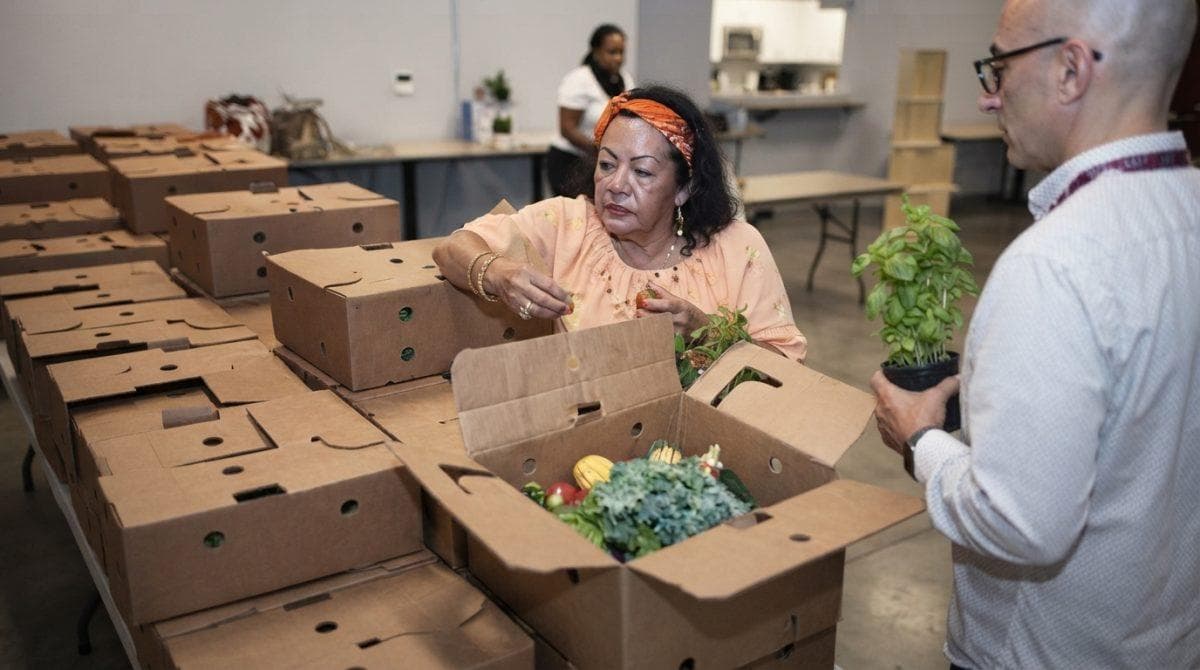
Location and official schedule: The market operates every Thursday from 8:00 a.m. to 2:00 p.m. regardless of weather, located specifically in the courtyard of the Central Avenue Constituent Services Center between Central Avenue and 43rd Street, in Council District 9 of the Los Angeles City Council.
-
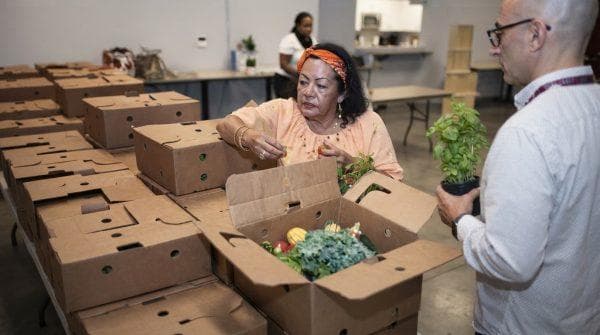
Farmer and producer participation: Thirteen farmers from Ventura, Riverside, and California Central Valley offer dragon fruit, strawberries, raspberries, pomegranates, watermelons, passion fruit, and vegetables such as celery, onions, cilantro, chiles, tomatoes, and spices, alongside 4 food stands, similarly producers like Víctor Hernández of Hernández Brothers Farms, originally from Santa Lucía Monteverde, Oaxaca, transport fresh harvests from a ranch in Santa Barbara County to the markets in Central Avenue, Little Tokio and Watts, including blackberries, blueberries, broccoli, cauliflower and sweet potatoes.
-
Financial assistance programs: Latino South Los Angeles families leverage CalFresh EBT cards and WIC FMNP checks, complemented by the Market Match initiative that doubles benefits up to a limit of $20 daily, offering an additional $20 in free fruits and vegetables for acquiring fresh food.
Migratory challenges and community resilience
Market commercial operations faced severe disruptions due to mass immigration raids executed by ICE from June 2025 through June 2026, subsequently local community alternative principles guided public sales to relocate temporarily to the interior of the Central Avenue Constituent Services Center to safeguard attendees who had stopped coming out of fear.
During this critical period, personnel from Councilman Curren Price office, District 9, coordinated alerts, guided the community and removed agents from the premises when necessary, likewise administrator Alejandro Corona confirmed that the community gradually recovers confidence and returns to the open air market, consolidating the operational recovery of this community supply point against the proliferation of convenience stores and liquor stores selling junk food.
Comments and experiences of families
During educational sessions led by specialized instructors, regular attendees like Jacqueline Mondragón, a homemaker and mother of 2, emphasize the importance of actively seeking healthy supply spaces in the neighborhood, likewise local community alternative methods support long-standing participants like Perla Méndez, who has attended for 10 years accompanied by her 91 year old mother Consuelo Sánchez, both originally from Puebla, Mexico, share their experience replacing meat with soy and consuming abundant vegetables.
Attendees learn to prepare nutritious dishes such as cauliflower ceviche, cauliflower rice, and steamed quelites to accustom their children to a balanced diet against hypercaloric school options, nevertheless attendees point out that some Latina mothers still do not attend educational classes out of apathy, preferring to spend time watching telenovelas instead of prioritizing family health, proving that personal dedication shapes a healthier tomorrow across Latino South Los Angeles.
