

WATCH NOW
Watch on the app












Texas man asked what police were doing with their cameras and got a $2.3 million bill
-
A Texas city demanded $2.3M for records requested by a local activist, sparking intense statewide debates over municipal transparency and open government laws.
-
North Richland Hills justified the multi million dollar estimate by citing 14 years of mandatory administrative review in its municipal archives.
-
Civil rights advocates criticized these prohibitive fees because government transparency remains fundamental to ensuring public accountability.
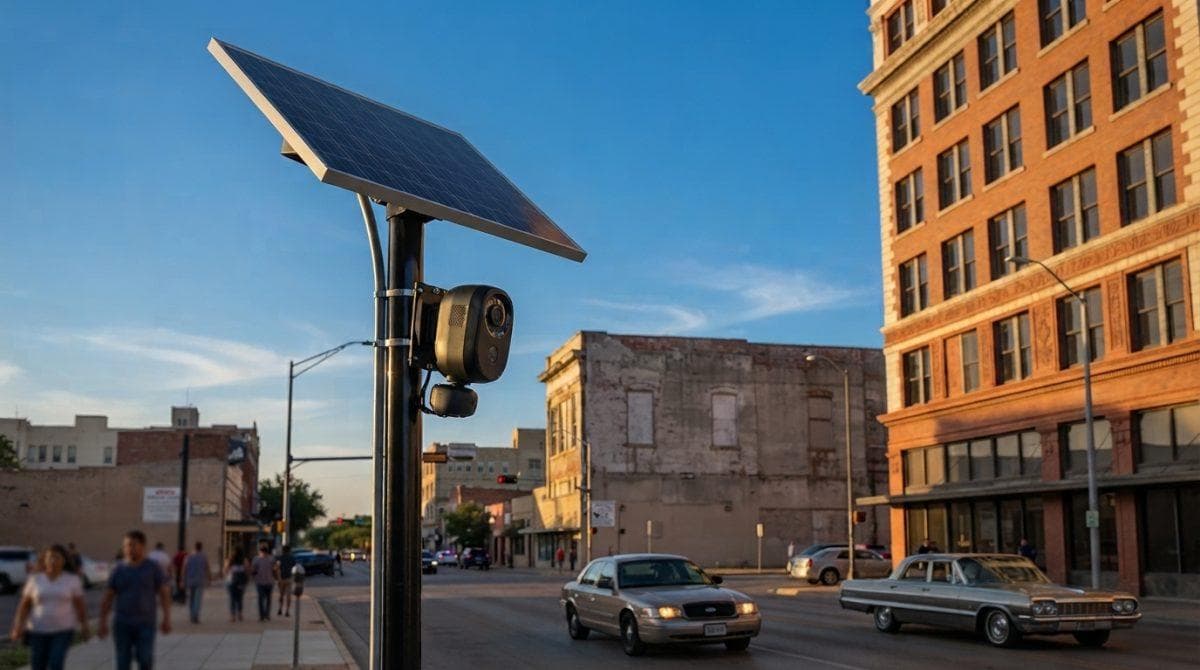
Government transparency faces unprecedented administrative roadblocks across the American South because municipal authorities impose exorbitant fees on public records requests to discourage independent investigations into urban Texas surveillance equipment networks; North Richland Hills issued a $2.3M bill for electronic communications regarding automated devices.
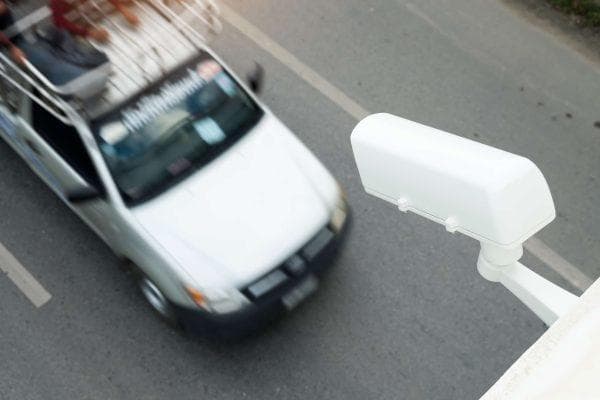
The requested files encompassed internal correspondence regarding operational efficacy, technical failures and potential misuses of license plate readers manufactured by Flock Safety, which civic organizations wanted to audit to protect individual liberties; officials calculated the quote based on 14 estimated years of required document review rather than the physical value of the equipment, highlighting a growing conflict between municipal secrecy and freedom of information laws.
Financial repercussions in Texas surveillance equipment oversight
Municipal representatives defended the administrative calculation by citing the massive volume of unredacted documents, ensuring that privacy protocols were strictly followed before releasing sensitive data; critics argue that financial barriers neutralize citizen oversight mechanisms designed to audit the operations of police cameras.
The petitioner significantly reduced the scope of his request to lower the prohibitive costs, prompting local authorities to suggest that the final bill will decrease considerably; civil organizations emphasize that charging millions for public documents undermines democracy and establishes a dangerous precedent where only wealthy entities can audit the security and deployment of public archives.
Operational controversies in automated surveillance networks
-
Automated license plate readers capture vehicle characteristics allowing agencies to conduct massive tracking operations across multiple jurisdictions without prior warrants, maximizing investigative reach.
-
Civil rights organizations emphasize that sharing data without restrictions between independent police departments generates severe risks for civilian privacy on public highways, raising constitutional concerns.
-
Investigative audits revealed multiple instances of misuse among local officers, including a criminal conviction in Lufkin following unauthorized database queries, exposing internal vulnerabilities.
-
State authorities restricted external access to regional networks after discovering thousands of unauthorized logins occurring every few seconds, enforcing stricter regulations.
-
Public interest advocates continue demanding standardized fee waivers to guarantee equitable access to governmental documents regarding Texas surveillance equipment.
Loading video...Loading Video
Comparative cost analysis and state responses to requests
-
Phil Mynona requested 1 TB of files under a municipal rate of $15 per hour with mandatory advance payment, generating extreme budget estimates.
-
Various jurisdictions delivered documentation for contrasting amounts, highlighting Sealy providing over 400K pages for free versus the $5K charged by Victoria, evidencing administrative disparities.
-
News outlets and independent media documented similar prohibitive budgets, such as the $121K demanded of KPRC and the $70K requested of Irving, restricting public access.
-
The Texas Department of Public Safety modified its delivery policy by withholding records and consulting the Attorney General, delaying institutional transparency.
-
Governor Greg Abbott ordered budget restrictions and suspensions of operational equipment after uncovering severe abuses of official information, including misuse linked to Texas surveillance equipment.
State camera infrastructure and limitations in transparency portals
The Texas Department of Public Safety operates over 900 units of the roughly 13 thousand active cameras distributed across state highways and border zones, detecting additionally that some 2.8 thousand external agencies performed queries every 4 seconds without required cooperation agreements; this massive technological concentration contrasts with sparse public visibility, since only 60 police agencies statewide utilize provided transparency portals to disseminate their operational activities.
Such portals concentrate over 2.6 thousand active cameras, although barely 16 of these agencies make their detailed search logs available to the public; local administrations like Live Oak chose to publish interactive maps and street lists featuring installed devices, while departments like the Department of Transportation maintain total secrecy citing public safety grounds.
Regulatory responses and future transparency measures
State legislators face growing pressure to reform public information statutes and eliminate excessive administrative fees that currently obstruct independent journalistic investigations into municipal practices; establishing transparent price caps represents an essential step toward restoring public trust.
Government oversight committees pledge to evaluate current document policies to prevent local administrations from weaponizing review costs against civic observers; safeguarding open access laws remains an urgent priority for communities demanding accountability across Texas surveillance equipment networks.
