

WATCH NOW
Watch on the app








Arizona’s hidden paradise could become America’s 64th national park
-
America’s 64th national park represents a transformative designation for conservation efforts across the southwestern landscape.
-
Arizona hidden paradise prepares for federal expansion while balancing increased tourism with indigenous cultural protection.
-
The National Park Service oversees structural updates and funding allocations to support the upcoming conservation milestone.
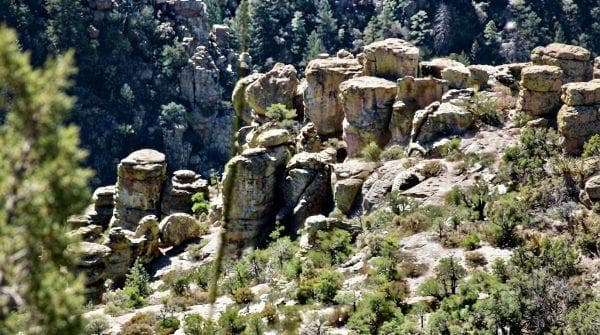
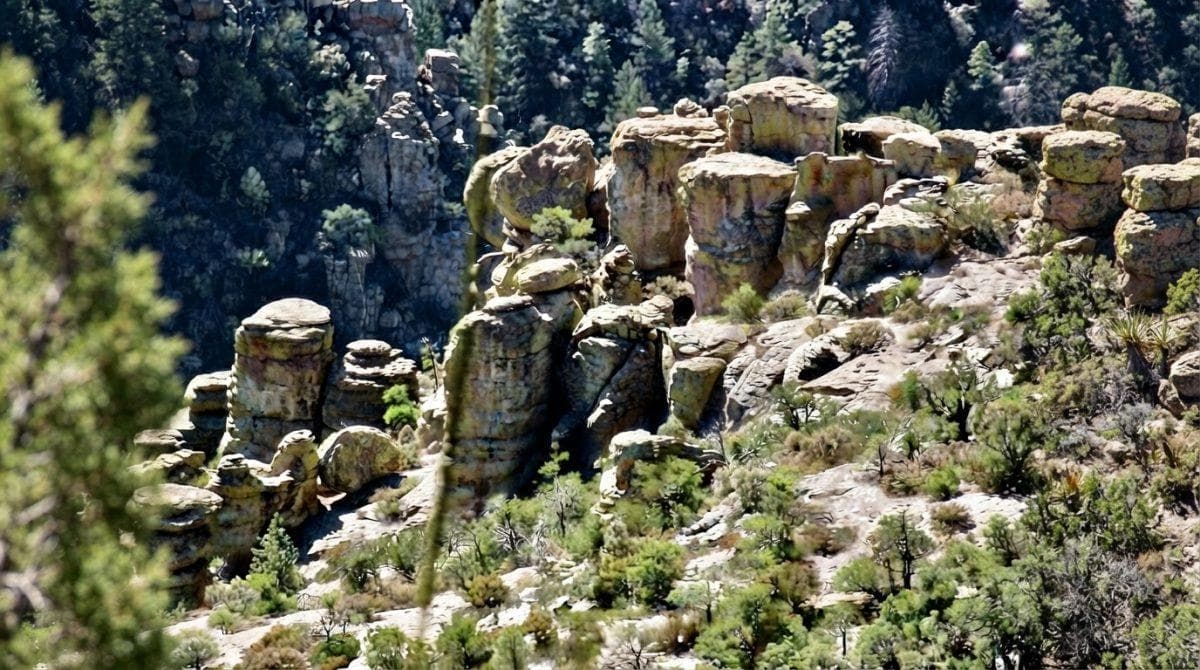
The United States Congress recently advanced legislation to elevate the Chiricahua National Monument into America’s 64th national park, establishing a higher tier of federal protection for a volcanic landscape spanning 49 square kilometers in southeastern Arizona where an Arizona hidden paradise awaits discovery; representative Juan Ciscomani championed the bipartisan measure, which successfully passed the House by voice vote and secured unanimous consent in the Senate before heading toward presidential approval.
Furthermore, federal authorities manage the towering rock spires and geological formations under strict conservation mandates, whereas the transformation aims to boost regional tourism and institutional visibility; additionally, historical documentation traces thousands of years of human presence in the region, including native communities who historically called the territory Land of Standing-Up Rocks alongside early European colonizers who designated the expanse as Wonderland of Rocks, prompting ongoing collaboration regarding traditional ceremonial access.
Arizona hidden paradise and legislative progress
The legislative process moved swiftly through federal committees during September, reflecting rare bipartisan agreement on public land conservation within a divided legislative body; congressional records indicate that the Congressional Budget Office estimated initial transition costs at under 500,000 dollars and readers can review detailed legislative tracking on Congress.gov to follow similar public land initiatives, although specific operational budgets and staffing requirements remain under review by federal authorities.
Consequently, President Calvin Coolidge originally declared the territory a national monument in 1924 under the Antiquities Act, and President Franklin D. Roosevelt subsequently expanded its protective perimeter in 1938; the upcoming reclasification establishes the first new protected area of this magnitude since America’s 64th national park status was last approached in 2020, while the National Park Service currently administers the area amidst broader budgetary adjustments across various federal sites, meaning that local stakeholders anticipate increased visitor traffic following the official status change.
Cultural heritage and indigenous stewardship
Federal legislation incorporates specific provisions to safeguard the heritage of native communities who maintained ancestral ties to the land for generations; tribal representatives emphasized the importance of uninterrupted access for traditional ceremonies, ensuring that future park management respects sacred sites within the expanded federal boundary.
Meanwhile, historical accounts highlight the complex past of the territory, including the forced relocation of the Chiricahua Apache in 1886 and the subsequent military campaigns conducted by Buffalo Soldiers against notable historical figures such as Gerónimo and Cochise; furthermore, Justine Jimmie, deputy prosecutor for the San Carlos Apache Tribe, submitted formal testimony during congressional hearings in 2024 requesting guarantees of uninterrupted access for tribal members seeking sanctuary and prayer spaces and current agreements establish frameworks for cultural preservation allowing descendants to utilize traditional spaces while America’s 64th national park transformation expands public recreation.
Ver esta publicación en Instagram
America’s 64th national park and economic impact
Regional commerce and municipal infrastructure require careful coordination as the monument prepares for federal reclasification and increased public interest across surrounding communities:
-
Upgrade local visitor center facilities to accommodate over 60,000 annual arrivals safely while preparing for America’s 64th national park milestone.
-
Coordinate with tribal leaders to establish clear guidelines for ceremonial access zones.
-
Implement sustainable trail maintenance programs to protect delicate volcanic rock spires.
-
Expand local hospitality marketing initiatives across nearby southeastern Arizona communities.
-
Monitor wildlife habitats and native vegetation within the 49 square kilometers zone.
-
Coordinate seasonal parking solutions during peak tourism periods in the region.
-
Establish transparent communication channels between the National Park Service and local businesses.
-
Review structural safety measures along elevated hiking paths and scenic overlooks.
-
Promote educational programs detailing the historical significance of the local Apache heritage.
-
Assess annual budgetary allocations to ensure adequate staffing as America’s 64th national park designation takes effect.
Greg Hancock, mayor of Willcox as the locality closest to the protected area, expressed strong confidence that the designation will drive customer growth for local hotels, restaurants and small merchants; separately, the National Park Service navigates deep staff reductions under current administration directives where maintenance projects at Chiricahua were categorized as low priority, redirecting federal resources toward initiatives such as the restoration of the Lincoln Memorial reflecting pool, thereby leaving operational questions unanswered for the region as travelers consult resources on National Park Service guidelines for upcoming site developments.
