

WATCH NOW
Watch on the app






California’s speed camera experiment created more problems for officials
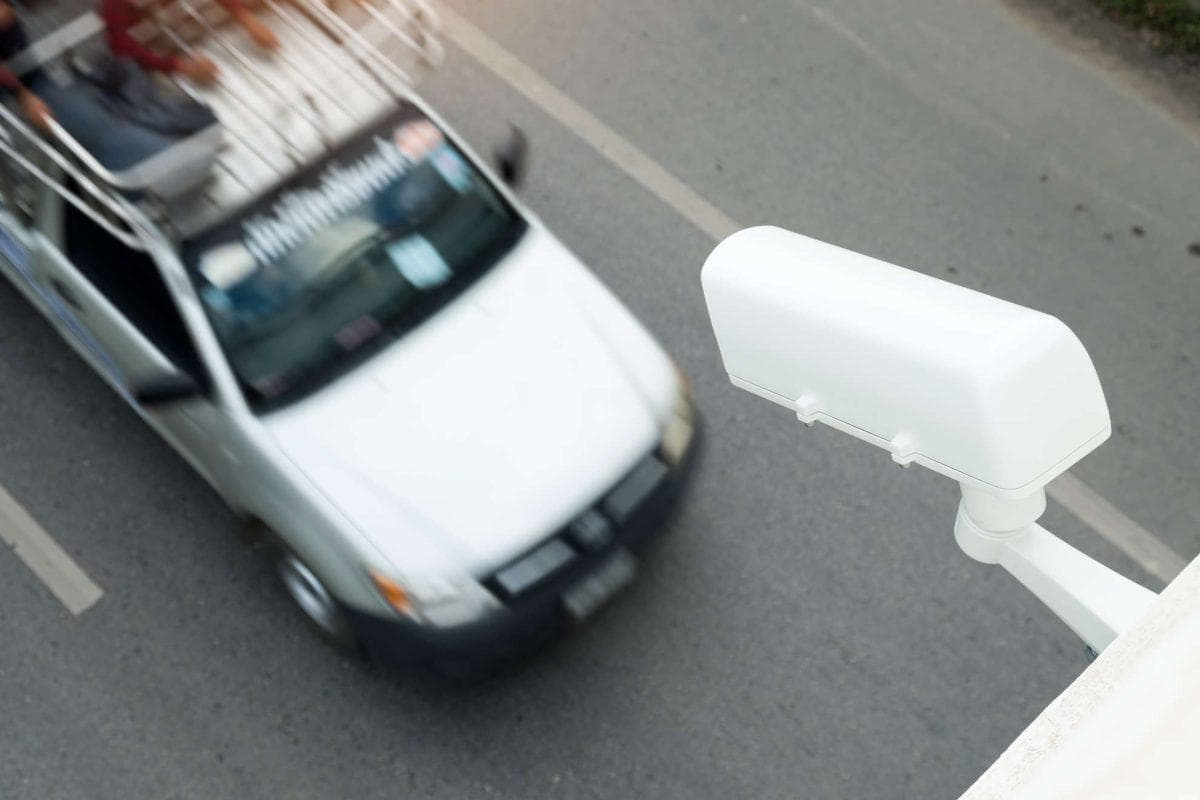
- The surprising speed camera pilot test installed along California’s busy Pacific Coast Highway demonstrated a massive and unexpected level of speeding drivers.
- Given the overwhelming volume of recorded violations, the city had to postpone the official start of the program to review the infrastructure.
- Future economic fines will scale gradually from fifty up to five hundred dollars depending on the speed.
The unexpected chaos in California that ignited alarms over speeding
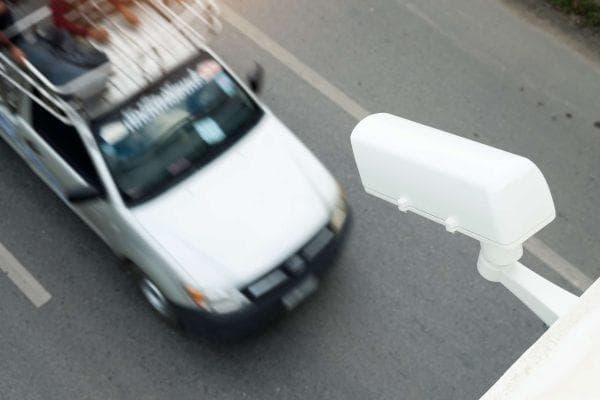
A recent pilot program in southern California completely perplexed authorities by racking up an exorbitant one hundred thousand violations in barely ten days of testing in Malibu; in this sense, the initiative designed to curb excessive speed and guarantee road safety in key sectors of the Pacific Coast Highway exposed a problem much more serious than local officials imagined, forcing them to temporarily freeze the warning period to thoroughly analyze traffic patterns and study the causes of this massive behind-the-wheel behavior. Although the flashes from the devices already alerted distracted motorists, this initial collapse proved that the fast lane turned into a real headache, compelling the government to put everything on hold to complete additional technical studies in sensitive areas like Carbon Canyon and Tuna Canyon.
How the fine system will work and what will happen to the penalties
Far from seeking an immediate punishment with fines affecting citizens’ pockets without prior notice, California authorities clarified that the records obtained by the cameras during this experimental phase of the program did not generate automatic citations or direct inquiries in the California Department of Motor Vehicles. However, when the program begins to operate formally, fines will be applied gradually depending on the speed, meaning how many miles per hour the established limit is exceeded. Likewise, economic penalties will start at fifty dollars for those exceeding the limit by between eleven and fifteen miles per hour, climb to one hundred dollars for the next range and reach up to two hundred dollars for exceeding twenty-three or twenty-six miles, culminating in a five-dollar fine for reckless drivers exceeding one hundred miles per hour and endangering road safety.
Privacy, destination of funds and the future of the road program
On the other hand, to calm local motorists’ concerns, the city administration confirmed these automated violations will not add negative points to the driver’s license nor cause an increase in vehicle insurance rates. The speed camera program also builds in strict protection measures to safeguard community privacy, guaranteeing that the city reinvests all fine revenue directly into covering system operating costs and funding road safety activities along the busy Pacific Coast Highway. While engineers and urban planners in California adjust technical details and evaluate results, the city keeps a definitive date to relaunch the system in suspense, warning drivers and residents that braking on time on Californian highways matters.
