

WATCH NOW
Watch on the app















Lakewood youth boom is forcing New Jersey to rethink a lot of about the future
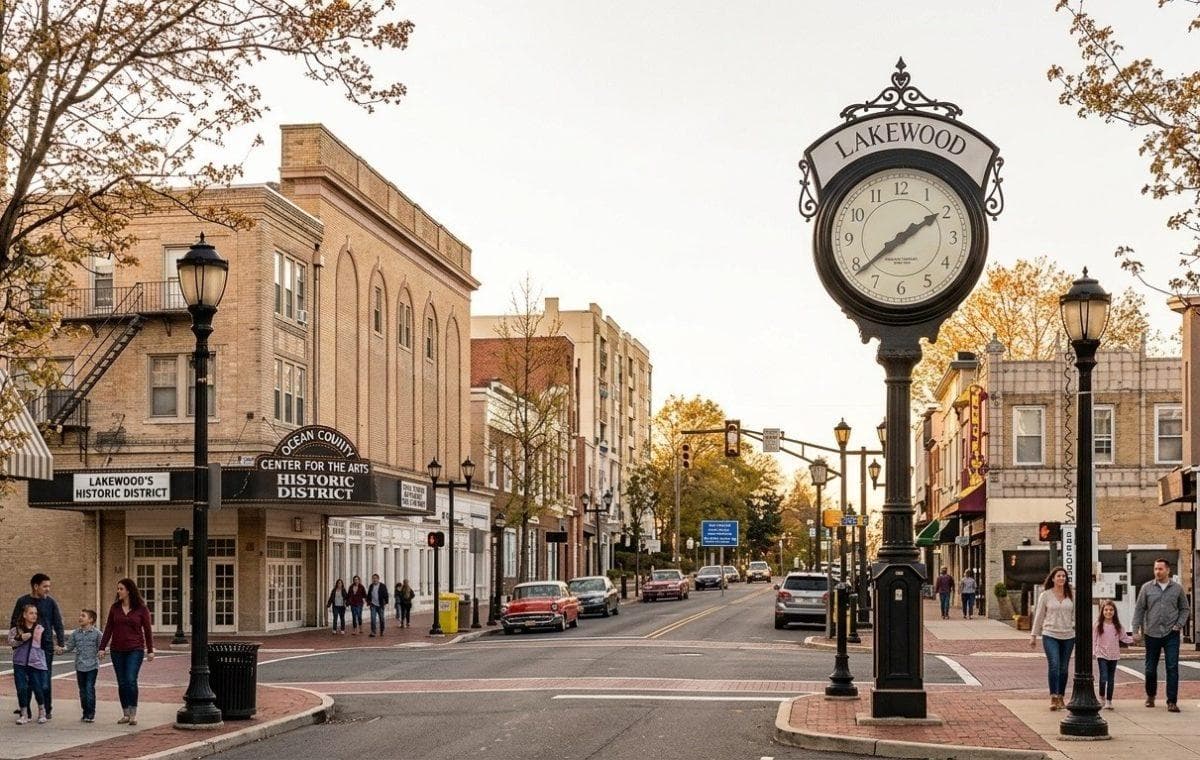
-
With a median age of just 18.1, Lakewood solidified its position in 2026 as the second-youngest municipality in the United States.
-
The family structure of the local Orthodox Jewish community acts as the primary engine for this unique and expansive population pyramid.
-
The 1.32% annual population growth forces state authorities to urgently rethink their infrastructure and basic services policies.
The urban landscape of New Jersey is experiencing an unprecedented demographic transformation. While much of the American Northeast faces a progressive aging of its population, Lakewood defies the national trend. Becoming the country’s second-youngest municipality is not just a statistic; it is an operational reality that is rewriting the regional urban planning manual.
A unique demographic phenomenon
Lakewood’s growth is a phenomenon driven by a combination of community cohesion and cultural values that prioritize large families. With a population reaching 145,783, the city has experienced a 7.7% increase since 2020. However, the most striking aspect is its composition: 16.7% of the inhabitants are under five years old, a proportion that renders standard planning models for a city of its size obsolete.
This demographic profile places the city in a scenario where priorities are not retirement or senior leisure, but school expansion and the creation of public spaces suitable for childhood development. Unlike other youth hubs like New Brunswick, where the median age drops due to a transient university population, the youthfulness in Lakewood is structural and permanent, requiring long-term investments in healthcare, education and housing.
The challenge of flexible infrastructure
The Lakewood Urban Planning Board faces a titanic challenge: the need for infrastructure that is simultaneously robust and scalable. The risk of overcrowding remains a constant concern in managing housing density and the saturation of educational systems is a daily reality that requires innovative solutions.
Authorities have begun pushing for flexible infrastructure policies, attempting to anticipate the demands of an educational system that continues to expand. Planning can no longer afford to be static; it must be a living organism that responds to natural growth, which continues to redefine the region’s identity. The key, according to experts, lies in the integration of public services that can adapt to complex cultural and demographic contexts, ensuring that growth does not compromise quality of life.
A lesson for the rest of the country
The case of Lakewood is, in many ways, a laboratory for the future of other American cities that will see similar patterns in the coming decades. Localities like Spring Valley, New York or even some growing areas in Texas are closely watching how this city manages the pressure on its resources.
Lakewood’s ability to maintain social cohesion while dealing with sustained demographic growth is, arguably, its greatest achievement. The success of this model will not depend solely on the construction of more schools or hospitals, but on the planners’ ability to integrate the community’s unique identity with the needs of an urban environment that must be, above all, resilient. What is happening today in this part of New Jersey is not just a local story; it is a preview of how tomorrow’s cities must learn to manage their own vitality.
