

WATCH NOW
Watch on the app











How Latino influence has conquered the U.S. fashion industry
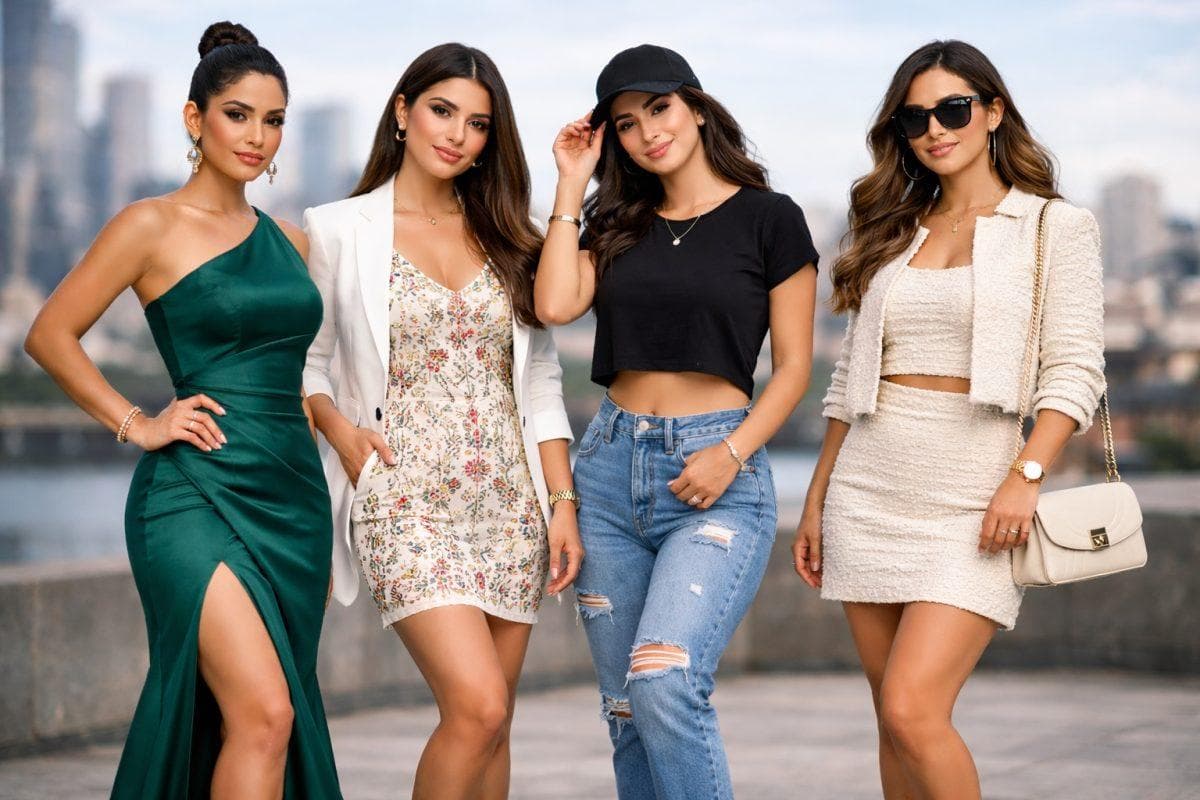
The U.S. fashion industry has structurally integrated Latino influence across design, aesthetics, consumption and pop culture. This is not a passing trend, but a sustained transformation driven by Latino designers, models, creatives and communities who now set the agenda on runways, within brands and across digital platforms. This impact is redefining who creates, who consumes and which narratives dominate the U.S. fashion system.
How this shift took hold
The growth of the Latino population and its cultural weight accelerated this transformation. Latino communities now shape visual identity and aesthetic narratives directly. Latino fashion stands out for its ability to blend cultural heritage with contemporary codes, an attribute the market highly values as it prioritizes authenticity and diversity.
At the same time, social media and street style opened new paths for aesthetics born in Latino neighborhoods of cities like New York, Miami and Los Ángeles. These styles scaled globally without passing through traditional fashion gatekeepers first.
The Latino cultural contribution redefining design
Latino fashion brings color, texture, symbolism and artisanal techniques rooted in history. Designers reinterpret embroidery, weaving, silhouettes and color palettes inspired by Indigenous, Afro-descendant and mestizo traditions for global audiences.
This approach aligns with an industry actively seeking narratives with cultural depth. Latino fashion does not copy trends, it redefines them, integrating memory, territory and identity into contemporary pieces.
Latino designers who paved the way
The consolidation of Latino fashion in the U.S. relies heavily on trailblazing figures who earned recognition through exceptional work. Oscar de la Renta and Carolina Herrera built globally recognized fashion houses defined by elegance and vision, while preserving their cultural identity. Their careers opened doors for new generations of Latino designers.
Ver esta publicación en Instagram
Today, emerging creatives extend this legacy with more diverse, inclusive and experimental perspectives. Latino professionals increasingly occupy roles in design studios, creative direction and independent brands, especially within ready to wear, sustainable fashion and accessible luxury.
Latina beauty takes center stage on the runway
International runways now reflect a clear shift in beauty standards. Latina models such as Gisele Bündchen, Adriana Lima and Joan Smalls not only achieved supermodel status, but also expanded representation of bodies, features and narratives.
Market demand fuels this progress. Diversity sells, connects, and builds identification, particularly among younger audiences who expect real inclusion rather than symbolic gestures.
How Latino fashion shapes popular culture
Latino influence extends far beyond high fashion. Music, film and social media amplify Latino aesthetics, which then shape mass consumption. Latino artists and celebrities use fashion as an extension of cultural identity, helping normalize styles once considered marginal.
In street style, colorful garments, relaxed silhouettes and bold accessories form part of the urban visual DNA. Latino fashion moves fluidly between the aspirational and the everyday, explaining its broad and cross-cultural adoption.
Brands are adapting to a new reality
The U.S. fashion industry can no longer grow without integrating Latino talent, both creatively and commercially. Brands that understand this context create more relevant collections, tell more credible stories and build deeper connections with consumers.
These shifts point toward greater visibility for Latino designers during fashion weeks, stronger strategic collaborations and expanded creative leadership, while Latino fashion continues to shape the country’s visual language.
Latino fashion is a cultural force that has already conquered the U.S. fashion industry. Its growth reflects demographic, cultural and economic shifts that the industry cannot ignore. For the fashion system, understanding Latino fashion is no longer optional, it is a requirement to remain relevant.
