

WATCH NOW
Watch on the app















Ghost tapping, how one good deed could become a scammer’s opportunity
-
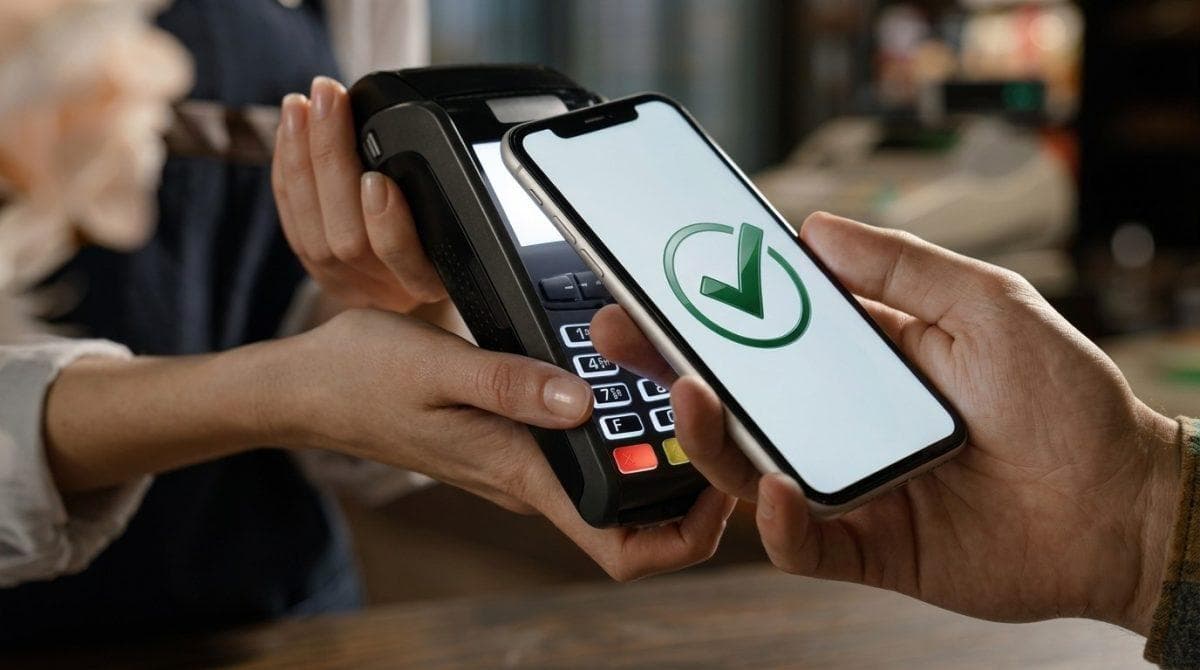
Mobile phone fraud silently threatens citizens’ financial security through unauthorized charges executed via NFC technology during alleged charitable works.
-
Experts recommend disabling proximity functions and verifying each transaction to prevent massive financial thefts from personal accounts driven by mobile phone fraud through a ghost tapping scam.
-
Cybersecurity institutions and banking entities warn about this growing criminal modality affecting 5K daily users in crowded urban areas.
Ghost tapping scam emerges dangerously during daily transactions, transforming customary urban cybercrime methods through the malicious use of proximity technologies documented by security agencies and police reports, enabling cybercriminals to intercept mobile devices and extract $5K dollars from unsuspecting bank accounts while citizens circulate through highly congested public spaces without perceiving the imminent risk threatening their digital operations, as outlined in reports by the Federal Bureau of Investigation.
Furthermore, digital protection specialists detail that this fraudulent modality responds directly to NFC system vulnerabilities and distractions generated by fake fund collectors; consequently, 10K individuals experience unconsulted charges on their linked cards, simultaneously inducing financial institutions to reinforce biometric authentication protocols to halt the advance of a dangerous cyber threat that undermines the economic privacy of everyday users according to updates from the Federal Trade Commission.
Criminal operation ghost tapping scam
Additionally, criminals refine sophisticated tactics based on physical and digital manipulation, evidenced in altered payment terminals exceeding legitimate amounts according to warnings issued by consumer protection agencies like the Consumer Financial Protection Bureau, contrasting sharply with traditional robbery methods requiring the material theft of cards and forcing banking institutions to redouble technological efforts, allowing fraudsters to operate at close range through the covert use of contactless payment technology while unsuspecting users rely entirely on the supposed security of their portable electronic devices.
Equally, financial analysts from recognized banking institutions register alarming incidents in metropolitan cities, energized through carefully calculated street distractions that compromise the personal safety of passersby thanks to digital mobile fraud capitalizing on civic goodwill during simulated donation campaigns, provoking significant financial losses exceeding $2M dollars and directly affecting consumers’ wealth, while simultaneously driving law enforcement agencies to issue constant preventative alerts to deter this class of cybercrimes in heavily transited public spaces.
Prevention mechanisms
-
Carefully verify the commercial establishment’s name and the exact amount reflected on the screen before authorizing any electronic payment.
-
Keep the mobile device under absolute visual and physical control, avoiding handing it over to strangers during charitable collaboration requests.
-
Implement cases and wallets equipped with RFID blocking technology to inhibit clandestine electronic readers in public places.
-
Temporarily disable contactless payments in banking applications while transiting through zones of high pedestrian agglomeration.
-
Constantly review bank movements and statements to identify financial anomalies and report them immediately to the issuing institution, with resources available via USA.gov.
Ver esta publicación en Instagram
Soon, emerging cybersecurity experts observe how digital mobile fraud expands its tactics toward diverse urban environments, with technological corporations acquiring a decisive commitment to updating operating systems that neutralize the attack vectors where ghost tapping scam operates.
