

WATCH NOW
Watch on the app













El Niño is pushing water toward California and sea levels could stay higher for months
-
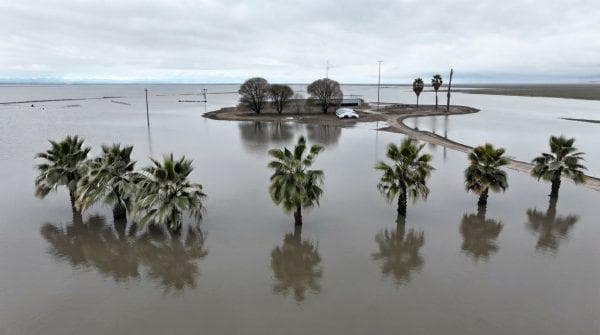
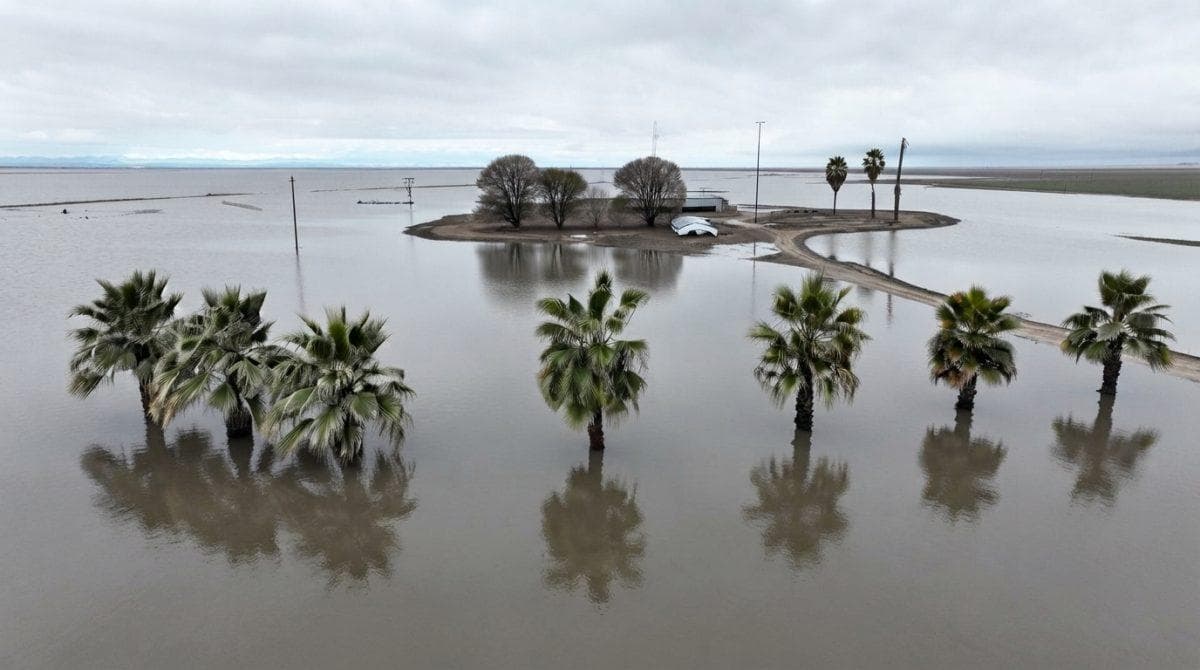
High sea levels will persist across the Pacific coast as meteorological phenomena drive persistent ocean anomalies, while coastal communities face increased vulnerability to flooding.
-
Scientific models confirm that oceanic shifts will sustain elevated shorelines for several consecutive months, consequently, regional authorities urge residents to review safety plans.
-
Meteorological experts track how complex atmospheric cycles alter regional shorelines through vast oceanic waves, furthermore, oceanographic specialists analyze massive pulses of warm water.
El Niño in California drives massive atmospheric and oceanic shifts across the Pacific basin, creating persistent environmental changes that will keep shorelines elevated by 15 cm for months as colossal waves push water toward the coast, while federal researchers and oceanographic specialists closely monitor these developments to evaluate coastal risks and formulate adequate response frameworks.
Enormous volumes of warm water currently travel eastward toward the region, creating unprecedented conditions that amplify the ongoing threat of high sea levels while regional authorities continue preparing emergency protocols to safeguard residential areas and commercial infrastructure against potential flooding driven by changing climate patterns.
The mechanics of El Niño in California
Ocean researchers detail that weakening trade winds allow warm water masses to drift eastward across the tropical basin, meanwhile, this phenomenon creates massive Kelvin waves that generate significant high sea levels along North American coasts while altering traditional marine circulation cycles.
These enormous energy pulses travel thousands of miles before hugging western shores at depths reaching 198 m, and as Dillon Amaya from North Carolina State University explains, thousands of square kilometers of water agitate simultaneously with immense potential energy that eventually discharges onto vulnerable beachfronts without beachgoers even noticing the subtle transformation.
High sea levels and historical climate context
Historical meteorological archives show that exceptional climatic cycles like the powerful 1997-1998 and 1982-1983 events produced persistent high sea levels reaching roughly 36 cm (14 inches) along parts of the Pacific shoreline, accompanied by fierce winter storms that triggered severe coastal erosion and landslides.
Scientists note that severe storm seasons during those historic phases unleashed massive rainfall totals across the region, establishing benchmarks for ocean anomalies that experts now use to measure the magnitude of upcoming tidal surges.
Factors amplifying coastal vulnerability
Specialists note that high sea levels combine with astronomical tides and seasonal storms to exacerbate coastal erosion, additionally, Mark Merrifield from the Scripps Institution of Oceanography points out that waves arriving during high tide provoke severe overflows that jeopardize regional infrastructure and threaten record high measurements.
Marine biologists warn that sustained thermal stress disrupts local ecosystems, furthermore, these temperature shifts alter marine life migration patterns and threaten fragile coastal habitats while driving whales closer to shore in search of adequate sustenance, which drastically increases the risk of fatal vessel collisions.
Ver esta publicación en Instagram
Regional mitigation strategies
-
Local authorities implement reinforced barriers to protect vulnerable infrastructure from incoming tidal surges and erosion, ensuring that high sea levels cause minimal damage to coastal properties.
-
Environmental agencies monitor water temperatures closely to assess potential impacts on local fisheries and aquatic habitats across the affected coastal zones.
-
Municipal planners update emergency response protocols to prepare communities for recurring coastal flooding events driven by abnormal meteorological conditions.
-
Regional emergency teams coordinate infrastructure assessments to safeguard harbors and residential neighborhoods from rising tides during peak storm seasons, keeping preparedness active as El Niño in California continues developing.
Government institutions and environmental agencies urge coastal residents to remain vigilant regarding ongoing flood warnings, emphasizing that proactive adaptation remains essential as communities confront the full meteorological weight of NOAA’s El Niño monitoring updates throughout the coming winter season.
Ver esta publicación en Instagram
