














U.S. quietly shuts out nearly $1 billion in Canadian products as a new trade fight takes shape
-
This US ban targets imported goods from northern territories following escalating economic friction between neighboring nations.
-
Industry analysts evaluate the impact of tariff disputes on bilateral commerce and regional supply chains.
-
Federal regulatory agencies clarify specific categories affected by recent commercial modifications.
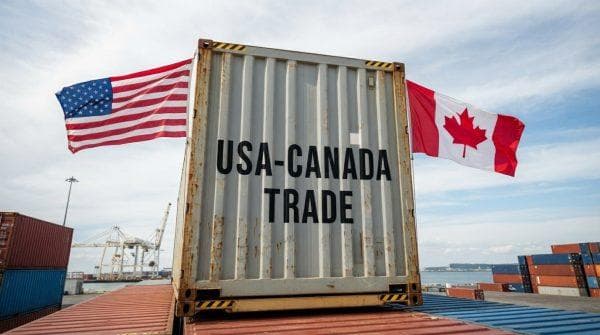
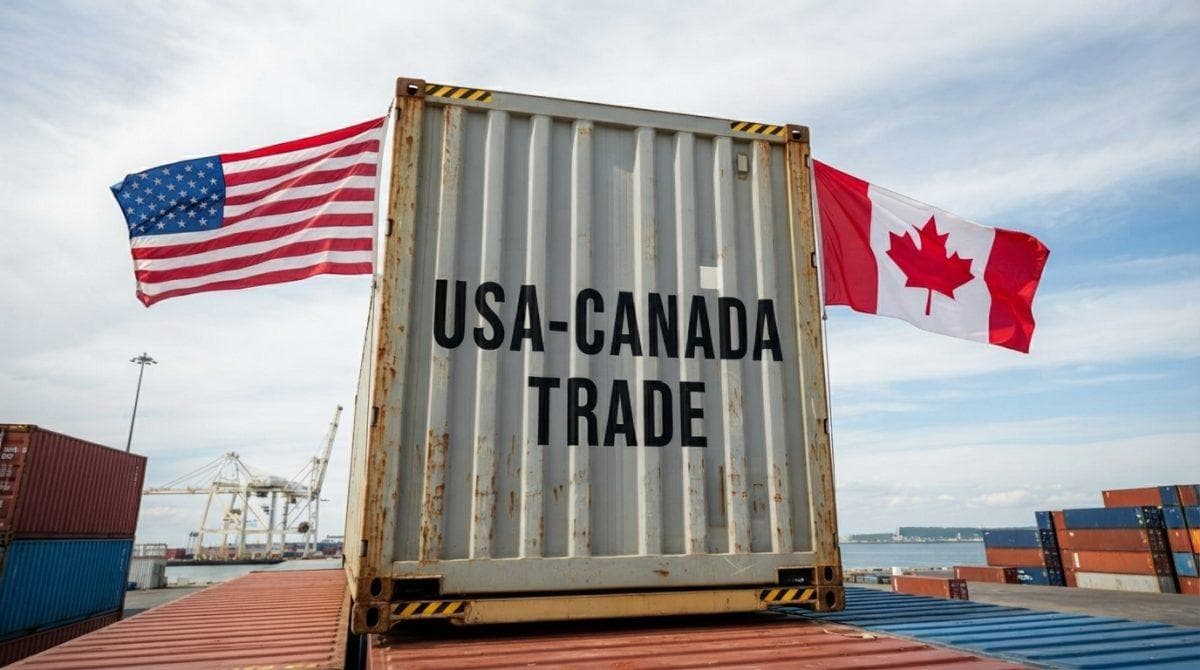
Canadian products face significant commercial barriers starting Tuesday, 29 Sept 2026, as Washington enacts targeted restrictions valued at $967M to address ongoing trade imbalances; additionally, international trade analysts note that this aggressive tariff escalation follows previous retaliatory measures implemented by Ottawa, while the unfolding US ban highlights growing economic friction across North American markets.
Government officials report that alcoholic beverages, specific dairy derivatives and heavy motorcycles represent the core components of the restricted merchandise, whereas annual bilateral trade continues to hover around $880B; furthermore, market observers emphasize that these unilateral actions stemming from the US ban could alter regional distribution networks and limit consumer choices in retail establishments.
Restricted Canadian products and exemptions under the new trade policy
-
Alcoholic beverages including bottled malt beers, specific wines, ciders, sake, vermut, and spirits such as whisky, vodka, gin, and rum, which form the primary focus of the US ban affecting Canadian products.
-
Whey concentrates and related dairy derivatives spanning 8 distinct categories used extensively in commercial food production and protein supplements.
-
High displacement motorcycles and mopeds equipped with engines exceeding 800 cc, excluding Bombardier’s Can-Am Spyder and Canyon three wheel models.
-
Essential materials like cement, toilet paper, bed linens, and fishing gear remain entirely spared from tariffs, addressing concerns raised by Senator Susan Collins regarding Maine employment.
-
Commercial cargo arriving before the Tuesday deadline remains subject to previous 50% tax rates rather than outright prohibition.
Implementation details and financial impacts across key sectors
Customs restrictions depend strictly on official tariff classification codes and manufacturing origins, while alcoholic beverages account for approximately 87% of the total restricted value according to Jacob Jensen from the American Action Forum; moreover, U.S. markets absorbed 17.5M nine-liter cases of Canadian whisky generating about $2.3B in distillery revenues during 2023 based on figures from the Distilled Spirits Council of the United States.
The policy spans eight serum categories representing nearly half of the $73.6M in modified whey imported during 2025 and motorcycle restrictions target heavy units where Bombardier anticipates seasonal shipping delays persisting into next year; consequently, Villanova University professor Jonathan Doh characterizes such absolute trade measures enforced through this US ban as extremely unusual instruments within modern commercial policy.
Economic drivers behind the recent and regulatory motives
Federal authorities enforced these restrictions under Section 338 of the Tariff Act of 1930 after Canada imposed punitive tariffs ranging from 15% to 50% on approximately $20B worth of American goods; meanwhile, government representatives maintain that prior Canadian policies unfairly discriminated against domestic dairy, beverage and automotive sectors before officials instituted the US ban.
Canadian Prime Minister Mark Carney asserted that accessing the American market now carries a distinct price, prompting plans to double bilateral trade with nations outside the southern neighbor over the next decade; furthermore, New York Law School international law co-director Barry Appleton warned that the enforcement of the US ban will diminish consumer choices and disrupt regional supply chains.
Future outlook, consumer recommendations and essential FAQs regarding the US ban
Shoppers purchasing imported alcohol, whey protein or recreation vehicles should verify country origins and consult merchants regarding pre-ban inventories while exploring alternative domestic or international suppliers to navigate rising costs; additionally, the trade prohibition took effect Tuesday at 12:01 a.m. Eastern time, focusing strictly on designated customs classifications while exempting smaller motorcycles and essential building supplies.
Policy makers continue monitoring commercial developments closely as regional manufacturers adjust to shifting regulatory frameworks; subsequently, upcoming retaliatory steps from Ottawa threaten to provoke broader supply chain disruptions and complicate ongoing reviews of the North American trade agreement involving Canadian products.
Ver esta publicación en Instagram
