

WATCH NOW
Watch on the app










California is making solar power as easy as plugging into an outlet and renters can use it too
-
Plug in solar expansion arrives via legislation signed by the state leader, enabling compact devices that transform domestic electricity generation through conventional wall outlets.
-
Families lacking access to private rooftops obtain an efficient alternative to cut their monthly electricity expenses starting next year.
-
Manufacturers must comply with rigorous technical certification protocols before marketing approved equipment throughout American territory.
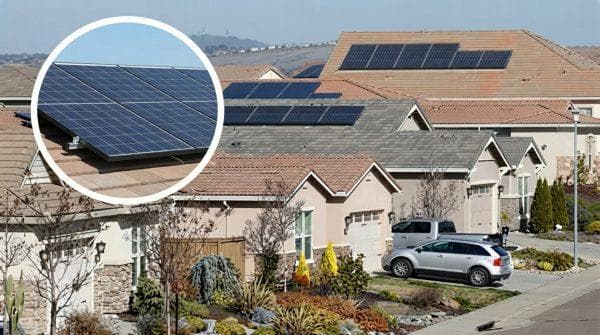
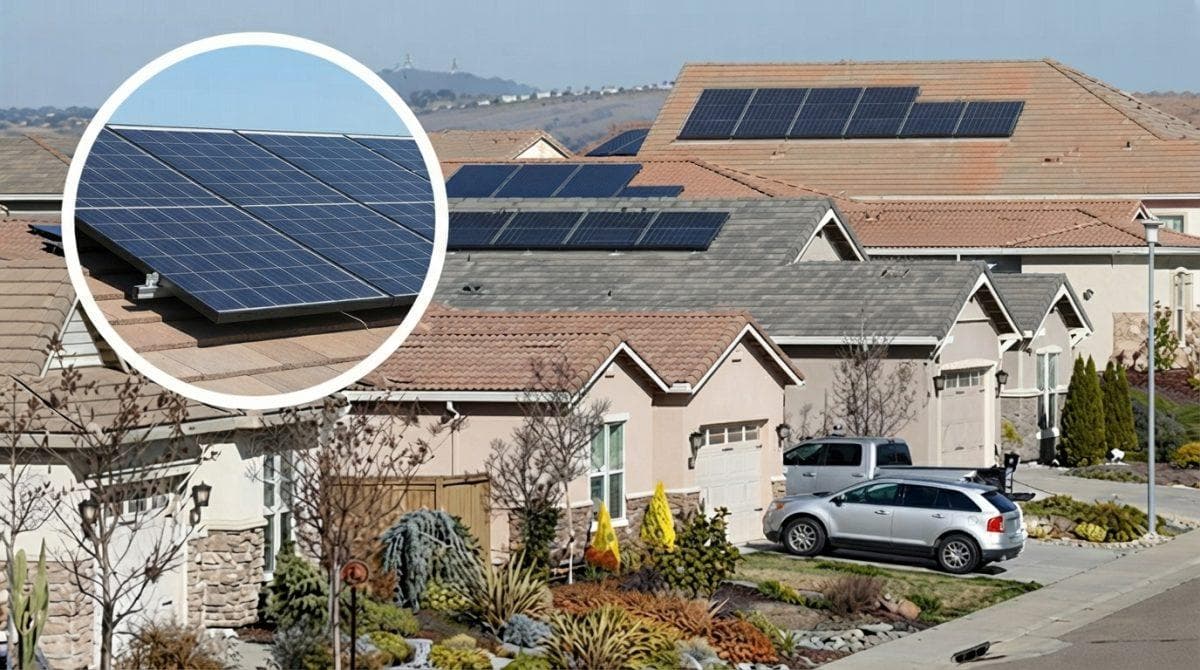
California Governor Gavin Newsom signed the Plug-and-Play Solar Energy Act on September 30, 2026, formally identified as Senate Bill 868 and championed by state Senator Scott Wiener, enabling small solar systems connected to a household outlet starting January 1, 2027, thereby transforming solar power adoption across residential communities. This landmark measure targets renters, apartment residents, and property owners who cannot install traditional rooftop panels due to structural limitations, permitting them to place compact equipment on balconies, patios, or fences with direct exposure to sunlight.
Operating clean electricity for direct household consumption, these devices noticeably reduce the energy that the family habitually purchases from the utility company, optimizing monthly budgets and fostering decentralization; moreover, the regulation establishes rigorous technical conditions before vendors market appliances under the new framework, guaranteeing user protection and local grid stability.
Technological innovations for domestic solar power generation
Systems reached by the rule bypass complex interconnection agreements or prior authorization from electric corporations, simplifying initial administrative procedures for all residential users. Specifically, this measure exempts equipment-related charges until January 1, 2030, unless the Legislature decides to formally extend this exemption in the future, allowing households to implement plug in solar equipment smoothly.
Likewise, distribution companies request only a simple digital notification including the postal address, commercial brand, specific model and nominal power of the installed device, whereas the designated balcony apparatus operates via small-scale panels plugged into a 120 V outlet, channeling electricity exclusively toward essential appliances in operation. Equally, manufacturing enterprises must market equipment certified in the United States with the endorsement of laboratories like Underwriters Laboratories, incorporating a protection mechanism that interrupts energy delivery during unexpected outages.
Official declarations and market perspectives
Senator Scott Wiener maintained that the regulation allows a greater number of residents to manage their monthly electrical expenses autonomously, affirming in statements gathered by the Los Angeles Times that the legislation puts citizens in charge of their utility bills. Nevertheless, the commercial availability of these products depends on manufacturers obtaining required certifications before the law takes effect, preventing the sale of unauthorized devices; consequently, Bernadette del Chiaro, senior vice president of the Environmental Working Group, indicated that at least two companies expected to achieve institutional approval before the current year concludes, while Pacific Gas & Electric expressed preliminary reservations regarding operational security and grid maintenance cost distribution, whereas company spokesperson Paul Doherty indicated that operational aspects still require definition to guarantee consumer protection and service affordability.
Regulatory requirements and commercial availability for plug in solar
Regulatory bodies and electric sector representatives continue refining regulatory details to guarantee equipment affordability in the market. Simultaneously, they establish adequate protection standards and transparent operating rules that prevent unforeseen overloads throughout the regional distribution system, preparing the terrain for new residential equipment.
Concurrently, the Californian government promulgated complementary statutes Senate Bill 905 and Senate Bill 913, promoted by Senator Josh Becker, demanding that electric companies report available grid capacity and evaluate whether distributed resources can avoid costly infrastructure expansions; furthermore, these additional provisions establish legal pathways for equipment grouped in virtual power plants to contribute energy efficiently, consolidating a modern technological ecosystem where clean, decentralized generation integrates harmoniously with corporate electrical grid needs.
Transitioning toward more efficient consumption models drives profound debates among state legislators, consumer associations, and private companies regarding the future of energy infrastructure; moreover, Californian families await the arrival of the first homologated devices to transform their balconies into active generators of clean electricity with great expectation, while active citizen participation in managing personal resources represents an unprecedented paradigm shift within the contemporary residential sector, therefore consolidating state environmental leadership through avant-garde regulations that directly benefit millions of households wagering on their future.
Operational guidelines and technical specifications
-
The regulation establishes a strict limit of 1,200 W of alternating current per registered home, guaranteeing secure supply for essential appliances like refrigerators and low-consumption devices utilizing solar power technology.
-
Equipment installed on balconies or patios must obligatorily possess an Underwriters Laboratories safety certification or an equivalent laboratory recognized within United States territory.
-
Electric distribution companies only possess permission to request a simple digital notification featuring the technical data of the device, exempting users from costly interconnection procedures.
-
Pacific Gas & Electric participates in the review of operational standards to safeguard distribution grid stability against the massive arrival of new appliances.
-
Environmental organizations estimate that official commercialization of certified kits will commence during 2027, once manufacturers surpass regulatory technical audits.
