

WATCH NOW
Watch on the app



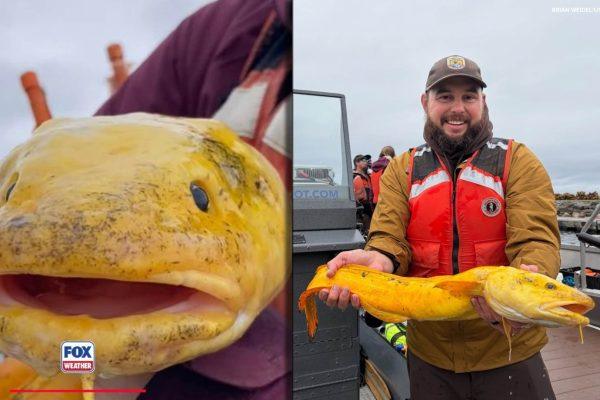











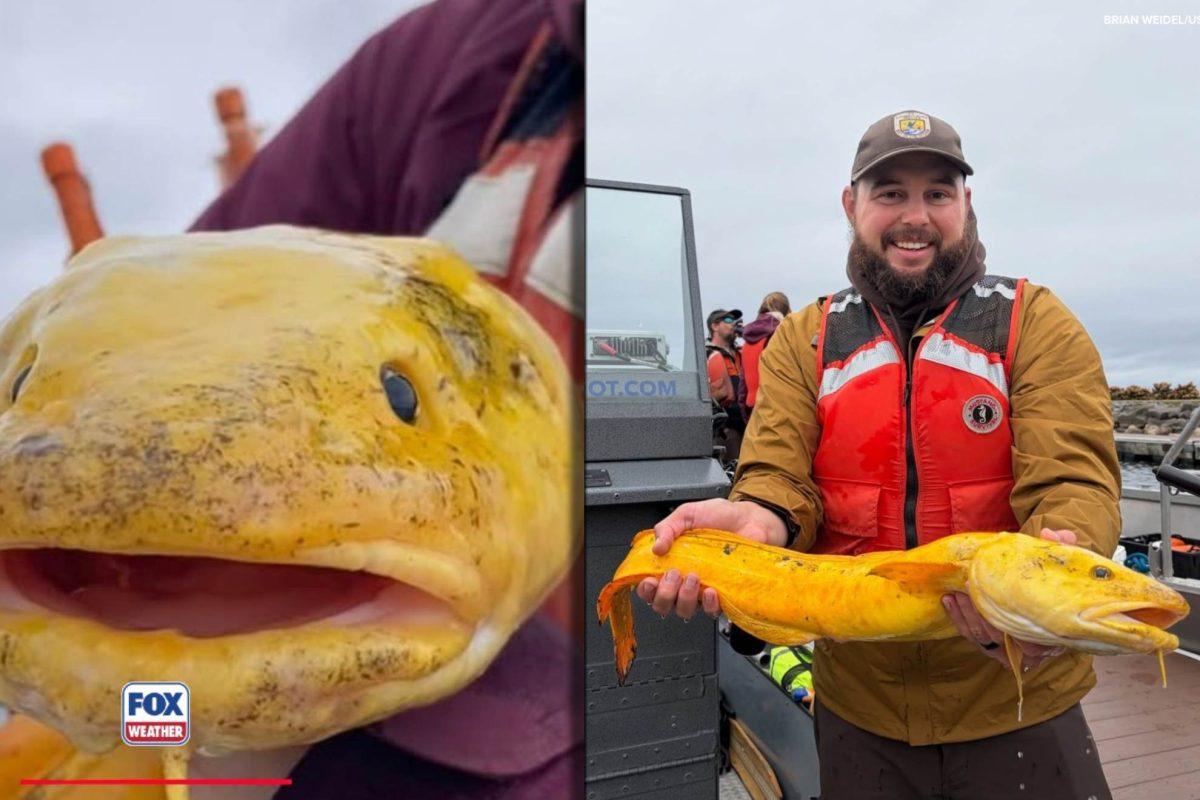
New York scientists unintentionally discover rare golden fish in one in a million catch
-
United States Fish and Wildlife Service biologists captured a bright yellow burbot in October during survey work in Oswego harbor, New York.
-
The fish displays xanthochromism, a rare genetic pigment condition in wild fish that alters normal coloration.
-
After spotting severe signs of poor nutrition, researchers sent the fish to Cornell University veterinary medicine for evaluation.
United States Fish and Wildlife Service biologists made a rare discovery in October during routine fieldwork in Oswego harbor, New York, catching a freshwater burbot with a striking bright yellow hue. Working with the agency Lower Great Lakes Fish and Wildlife Conservation Office, the team was tracking aquatic invasive species rather than targeting burbot, and the catch also marked the first burbot recorded in a harbor fishery survey there.
Ver esta publicación en Instagram
Xanthochromism and how rare the condition is
Officials described the find as a one in a million catch because the fish exhibits xanthochromism, a genetic trait that suppresses standard pigment patterns and produces yellowish to orange tones. According to the United States Fish and Wildlife Service, xanthochromism occurs far less frequently in wild fish than albinism or melanism. While unusual colorations occasionally surface in marine and freshwater species, each documented case helps scientists study how genetics govern pigment in the wild.
Native Great Lakes predator sent to Cornell
Burbot are native to the Great Lakes and represent the only freshwater fish with traits similar to cod, acting as a notable predator in their habitat. When United States Geological Survey biologists examined the yellow specimen, they found the fish emaciated from poor nutrition. With reasons behind low burbot numbers in Lake Ontario still unclear, the fish was sent to the Cornell University College of Veterinary Medicine for health testing, with results not yet released.
Ver esta publicación en Instagram
Broader value of Great Lakes monitoring work
The discovery took place under a long running Great Lakes invasive species monitoring program that uses electric fishing, fyke nets, gill nets and environmental DNA to track aquatic life. Because invasive arrivals often start at low densities, spotting a rare native fish highlights how structured sampling alongside luck can uncover uncommon finds. Agency officials noted the yellow burbot could also provide helpful health insight into regional burbot populations to guide future management.
Cover photos from: @foxweather