

WATCH NOW
Watch on the app










East Coast residents are being urged to prepare for winter storms with 7 basic supplies
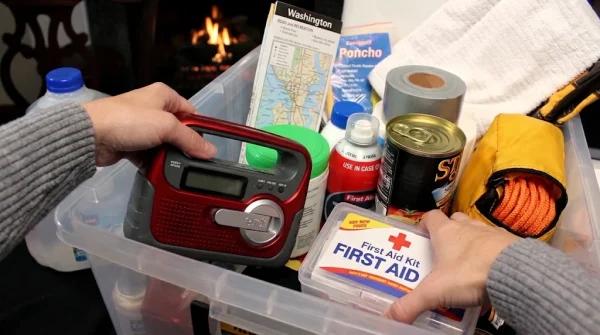
- Getting ready for winter storms requires East Coast residents to rush and gather essential household emergency supplies.
-
Families getting ready for winter storms must stock non-perishable food and water before severe weather strikes.
-
Residents living across northeastern states must act quickly to secure warm clothing and safety gear.
During recent weather inspections across New York, New Jersey, and Pennsylvania, meteorologists note that winter storms demand immediate action from local households because surviving freezing temperatures requires securing 7 basic supplies; furthermore, expert forecaster Ben Noll reveals in Men’s Journal that upcoming snowfall totals will exceed seasonal averages across 36 states between December 2026 and February 2027, while the Federal Emergency Management Agency urges residents to complete necessary property inspections before severe weather arrives.
Additionally, federal authorities confirm that an official outlook released by the National Oceanic and Atmospheric Administration on October 15, 2026, predicts above-average precipitation across eastern regions due to active atmospheric patterns; consequently, early household preparation protects families from prolonged utility outages and blocked roadways while local emergency crews clear accumulated ice and snow from municipal infrastructure.
Essential items for the home
Families residing in vulnerable coastal zones face severe hazards if they ignore official warnings regarding incoming cold fronts:
-
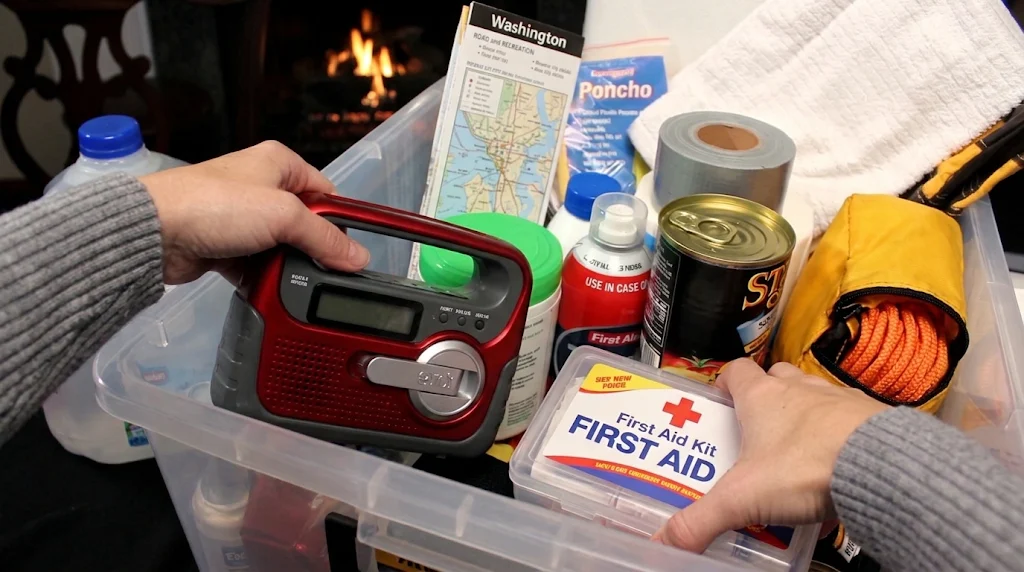
Non-perishable food supplies: Storing high-calorie canned soups, vegetables, nutrient-dense pasta, dry cereals and specialized infant formulas ensures adequate metabolic nutrition and sustained energy during extended utility failures; moreover, maintaining sufficient pantry reserves prevents families from venturing out into hazardous blizzard conditions.
-
Bottled drinking water: Keeping at least 1 gallon of clean drinking water per person daily for 3 full days guarantees vital cellular hydration and safe cooking conditions; therefore, securing adequate water reserves protects households against municipal supply disruptions, contaminated lines, and frozen household pipes.
-
Emergency illumination tools: Having high-lumen flashlights, chemical glow sticks, and certified spare lithium batteries nearby restores immediate indoor visibility during sudden electrical grid failures; consequently, portable battery-powered lighting prevents accidental domestic trips and structural injuries in darkened homes.
-
Battery-powered radios: Tuning into designated emergency broadcast channels provides real-time meteorological weather alerts, civil defense instructions and municipal evacuation updates; furthermore, accessing reliable local broadcasts keeps isolated communities fully informed when commercial internet networks and cellular towers collapse.
-
External mobile chargers: High-capacity power banks keep cellular phones and digital communication devices operational for emergency calls, banking access and family coordination; additionally, fully charged backup batteries prove indispensable when municipal electricity is completely cut off for days.
-
First aid kits and medications: Stocking sterile medical supplies, heavy-duty gauze, antiseptic wipes, and multi-day prescription drugs addresses unexpected trauma, lacerations, or chronic health needs; subsequently, having essential medical provisions safeguards vulnerable relatives and children during prolonged isolation.
-
Thermal blankets and warm clothing: Packing heavy-duty emergency space blankets, wool sleeping bags, insulated jackets and thermal wear prevents dangerous hypothermia and frostbite during indoor heating failures; furthermore, storing specialized winter garments guarantees immediate personal survival when indoor polar temperatures drop drastically.
Critical safety equipment for getting ready for winter storms
Winter power outages and sub-zero temperatures require specialized tools to safeguard human life and health within residential properties while getting ready for winter storms:
-
Thermal protection measures: Sealing windows with weatherstripping and insulating vulnerable water pipes prevents structural damage; moreover, preventive heating maintenance and annual chimney inspections drastically reduce domestic accidents during polar cold waves.
-
Carbon monoxide prevention: Placing gas generators more than 20 feet away from building openings prevents fatal poisonings; subsequently, reliable carbon monoxide detectors save lives whenever residents shelter indoors during severe blizzards.
Clothing and outfit guide to get ready for storms
Public health experts recommend adopting layered clothing strategies to withstand harsh weather conditions and prevent dangerous hypothermia:
-
Moisture management layers: Wearing an initial inner layer that keeps skin completely dry prevents rapid body heat loss; meanwhile, thermal wool garments optimize core heat retention outdoors.
-
Waterproof outer protection: Equipping oneself with wind-resistant jackets, insulated gloves and waterproof boots guarantees safe transit; additionally, storing extra warm clothing inside personal vehicles prevents roadside emergencies.
Furthermore, families newly arrived in the United States from warmer climates should protect household plumbing by letting faucets drip slightly and opening under-sink cabinets; consequently, following the Ready.gov Winter Ready guidelines helps residents execute a solid family safety plan and avoid dangerous travel routes while municipal crews stabilize local roads for getting ready for winter storms.
