

WATCH NOW
Watch on the app


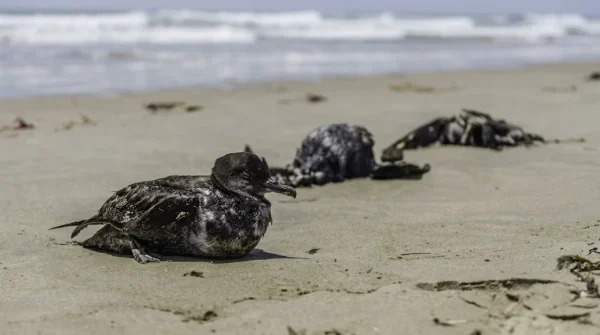












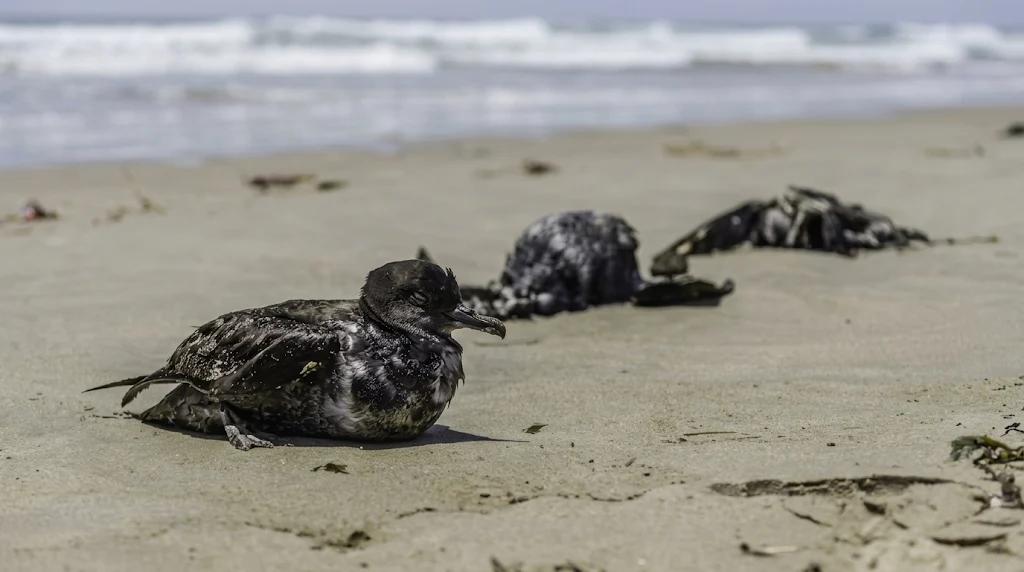
Nearly 2,000 dead seabirds wash up on California beaches as scientists warn El Niño could make things worse
-
Rapid ocean warming pushes fish schools into deep waters while thousands of lifeless birds wash onto California beaches over recent months.
-
Wildlife rehabilitation centers operate at maximum capacity as massive numbers of common murres arrive suffering from severe starvation.
-
Marine specialists warn that persistent El Niño conditions will intensify ecological damage across coastal species during the coming months.
Nearly 2,000 dead seabirds cover the sand along California beaches, specifically between San Francisco and Los Angeles, where park rangers count over 1,900 lifeless common murres and another 750 rescued birds since September amid ocean temperatures reaching 13 °F above average in Monterey Bay, while scientists warn that El Niño could worsen this ecological emergency by driving fish into unreachable depths.
Furthermore, this unprecedented biological crisis hits the common murre hard, a crow sized bird with black and white plumage that spends almost its entire life at sea, lives over 20 years under normal conditions and dives up to 590 ft deep to hunt according to data from the U.S. Fish and Wildlife Service, contrasting sharply with the maximum of 120 birds recorded during the same period last year and forcing conservation teams to confront a second wave of mass mortality following spring losses of brown pelicans and Brandt’s cormorants, recognized by the bright blue throat pouch they develop during breeding season.
Wildlife rescue centers reach maximum capacity along California beaches
Specialized veterinary hospitals face historic overcrowding while treating hundreds of birds weakened by food scarcity, highlighting the case of Pacific Wildlife Care (PWC) in Morro Bay, where specialists admitted 924 common murres since September compared to just 24 patients during the previous cycle; moreover, PWC development coordinator Kelley Boland confirms the clinic never processed such intake volume in its 40 year history after noting it represents something they had never seen before, compelling staff to perform medical evaluations, keep birds warm, provide fish, vitamins and hydration, and conduct weeks of monitoring before considering any release.
Conversely, veterinarian Shannon Riggs warns that the crisis now spreads to other aquatic species such as western grebes, famous for their synchronized courtship dance in which pairs run across the water for several seconds, while International Bird Rescue (IBR) executive director JD Bergeron compares these birds to the canary in the coal mine after treating hundreds of cases in the Bay Area during 2026; consequently, Riggs expresses the heavy emotional toll weighing on her team knowing they cannot rescue or count the thousands of birds dying offshore without ever reaching California beaches, candidly admitting that facing an overwhelming situation proves deeply stressful when nothing more can be done.
Critical factors behind the marine emergency and dead seabirds
-
Unprecedented mortality surge: Park rangers document over 1,900 lifeless murres since September compared to a maximum of 120 cases recorded the previous year.
-
Extreme ocean warming: Monterey Bay waters reach 13 °F above historical averages, recording sharper warming along California beaches in the central coast than in the north.
-
Vulnerable reproductive cycle: Female common murres lay 1 single bright blue egg annually with a pronounced pear shape to keep it from rolling off rocky ledges where they breed without building nests, notably at the Farallon Islands colony off San Francisco.
-
Historical climate precedent: A similar episode 1 decade ago triggered mass die offs of salmon, sea lions and 4M murres in Alaska, marking the largest single species mortality in modern history alongside current reports of dead seabirds.
Scientific outlook and ecological warnings for the Pacific coast
Scripps Institution of Oceanography marine ecologist Tammy Russell notes that impacts could multiply across additional species over the coming months as El Niño continues redistributing heat and altering Pacific Ocean currents, acknowledging that the scientific community still investigates all drivers behind this mass starvation while the climate event remains active; meanwhile, the geographic concentration of the largest breeding colony off San Francisco explains why the central coastline accumulates the highest number of carcasses.
Across coastal communities, Oceano Dunes State Vehicular Recreation Area environmental scientist Joanna Iwanicha in San Luis Obispo County shares that local offices receive constant calls from confused residents reporting penguins on the sand, reflecting the unease this phenomenon sparks in towns like Cayucos, a coastal community of 2,500 residents located 200 mi north of Los Angeles where ongoing sightings along California beaches underscore the urgency of protecting marine ecosystems amid rising numbers of dead seabirds.
