

WATCH NOW
Watch on the app



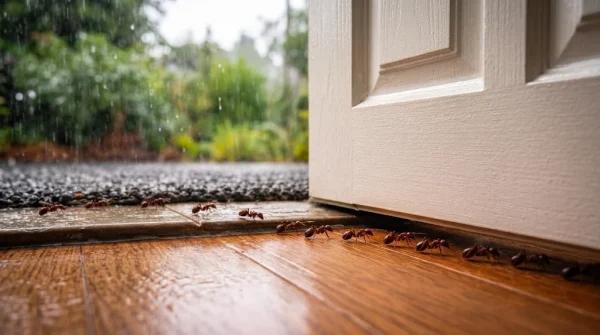











Texas homeowners may be inviting winter pests inside without knowing it
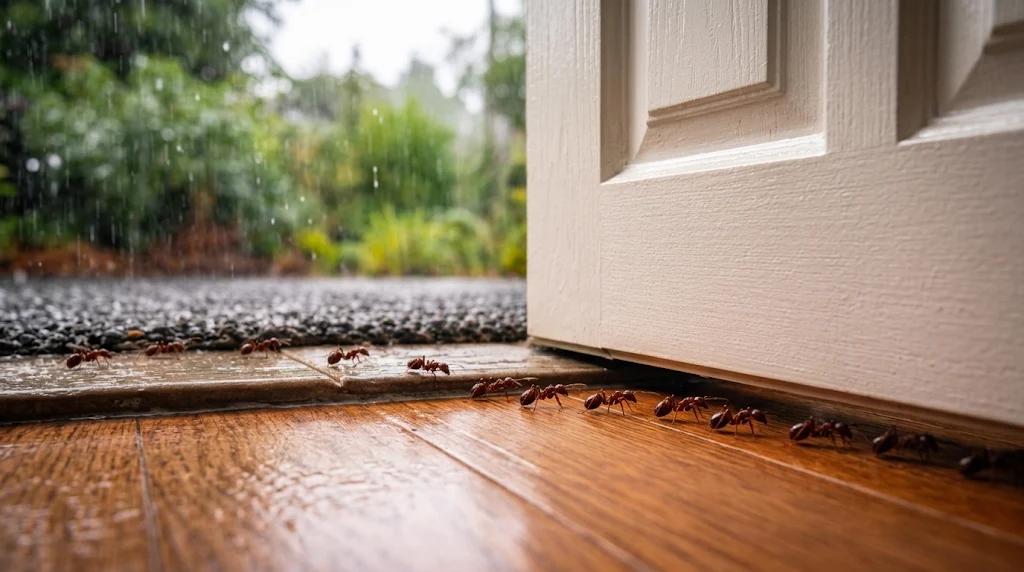
-
Homes in Texas face increased indoor migration risk as North Texas encounters wetter seasonal shifts and cooling temperatures between November and April.
-
Preventive structural updates help families secure vulnerable foundation gaps across various residential properties.
-
Proactive maintenance keeps unwanted rodents and insects away from interior living areas throughout cold months.
Winter weather shifts across North Texas bring increased rainfall alongside temperatures averaging between 50°F and 60°F from November through April, creating environmental conditions where winter pests search for warm shelters, which explains why property owners risk attracting unwanted rodents and insects into residential spaces when structural entry points remain unsealed during seasonal cooling trends.
Dustin Adams, associate certified entomologist and general manager at Adams Exterminating Company, emphasizes that changing weather patterns prompt various organisms to migrate indoors where food and warmth remain readily available; furthermore, identifying hidden structural vulnerabilities across homes in Texas allows proactive maintenance steps before minor pest activity escalates into severe infestation problems.
Additionally, Aaron Bird, branch manager at Truly Nolen in Lewisville, highlights that addressing simple maintenance gaps prevents long term structural hazards; subsequently, taking preventive action ensures that household environments stay clean and protected throughout the fall and winter seasons.
Unsealed structural entry points attract winter pests into residential spaces
Lower seasonal temperatures force cold blooded insects and small mammals to locate dark, enclosed environments like attics, basements and wall cavities; consequently, failure to inspect exterior surfaces leaves residential properties vulnerable when pests seek refuge from chilling winds.
Common seasonal invaders
Local entomologists highlight several species that frequently enter residential structures during cold snaps, noting that paper wasps nest inside warm attic spaces where female wasps overwinter before emerging in spring to lay eggs; furthermore, black widow spiders often hide inside stacked firewood while rodents chew through flexible insulation, making early identification essential for managing infestations effectively.
-
Paper wasp nesting patterns: female paper wasps overwinter inside warm attic spaces and emerge during early spring to lay new eggs across residential structures.
-
Rodent structural risks: mice and rats gnaw electrical wiring inside attic spaces, creating severe fire hazards for winter pests seeking warmth.
-
Venomous spider hazards: black widows nest inside stacked outdoor firewood, posing distinct health risks to residents moving materials into homes in Texas.
-
Differentiated cockroach survival: American cockroaches die quickly indoors due to unsuited conditions while German cockroaches survive indoors year round until receiving professional chemical treatments.
Health hazards and property damage
Beyond causing daily annoyances, unmanaged indoor infestations trigger respiratory allergies, contaminate stored food items, and compromise structural integrity; furthermore, protecting homes in Texas prevents structural repair bills alongside potential health complications for local families.
-
Contaminated pantry goods: foraging ants and flies ruin stored food items, requiring strict sanitation measures across regional living spaces.
-
Electrical wiring damage: chewed insulation and gnawed copper cables increase severe short circuit risks during active indoor pest control response efforts.
-
Allergen accumulation: cockroach droppings aggravate seasonal asthma symptoms, necessitating thorough deep cleaning protocols inside living quarters.
Therefore, recognizing these early warning signs enables households to implement effective defensive strategies before pests establish permanent nests inside living quarters.
Simple maintenance steps protect residential structures against indoor infestations
Preventing seasonal pest invasions requires closing potential entryways and eliminating outdoor harborages that attract opportunistic species; accordingly, implementing targeted prevention techniques reinforces exterior property boundaries while maintaining an effective indoor pest control response against persistent invaders.
Sealing exterior gaps and entryways
Installing durable weatherstripping under exterior doors prevents crawling insects from slipping underneath, while checking for visible daylight under entryways identifies hidden structural gaps; additionally, applying high grade silicone caulk around window frames and placing wire mesh over utility line openings stops small rodents completely from squeezing through foundation cracks into homes in Texas.
Clearing yard debris and foliage
Trimming tree branches back at least 6 ft from rooflines prevents roof rats and carpenter ants from using limbs as structural bridges; furthermore, clearing fallen leaves away from concrete foundations around homes in Texas eliminates damp nesting zones where insects thrive. Adams noted that having tree branches touching a house is like inviting carpenter ants or rats inside, which underscores the urgent necessity of regular tree trimming. Clearing leaf piles reduces moisture retention along concrete foundations, deterring ant colonies. Storing firewood at least 20 ft away from exterior walls keeps venomous spiders away from entry doors.
Thus, consistent yard cleanup combined with rigorous structural sealing ensures long term protection against aggressive winter invaders.
Essential maintenance steps to protect homes in Texas against pests
Local pest control specialists recommend establishing seasonal maintenance routines that eliminate food sources, secure structural gaps and deter opportunistic organisms from nesting indoors.
-
Exterior door inspection: property owners check for visible daylight underneath doors to block small entry gaps where winter pests enter ground level rooms.
-
Strategic firewood placement: residents inspect firewood with gloves and store wooden stacks 20 ft away to protect homes in Texas.
-
Vegetation clearance protocols: maintenance teams trim branches touching structures to prevent carpenter ant access during an active indoor pest control response.
-
Sanitation and food storage: families wipe counter spills immediately to deter foraging ant colonies from finding interior food sources.
-
Utility line sealing: technicians fill gaps around exterior pipe penetrations using durable steel wool and expanding foam insulation.
Implementing these straightforward home repairs keeps interior spaces secure, clean, and comfortable; consequently, proactive maintenance ensures that unexpected weather shifts between November and April never compromise household safety as seasonal cooling continues to drive winter pests indoors.
