

WATCH NOW
Watch on the app












Americans who never use AI could still end up paying for its massive electricity appetite
-
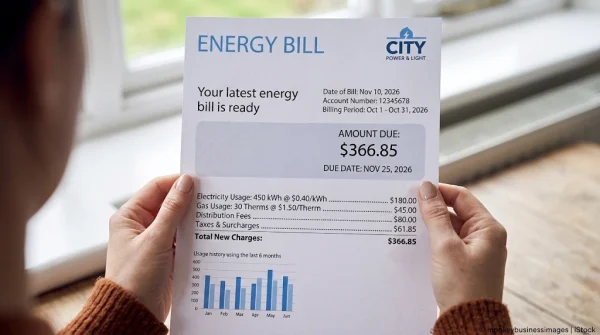
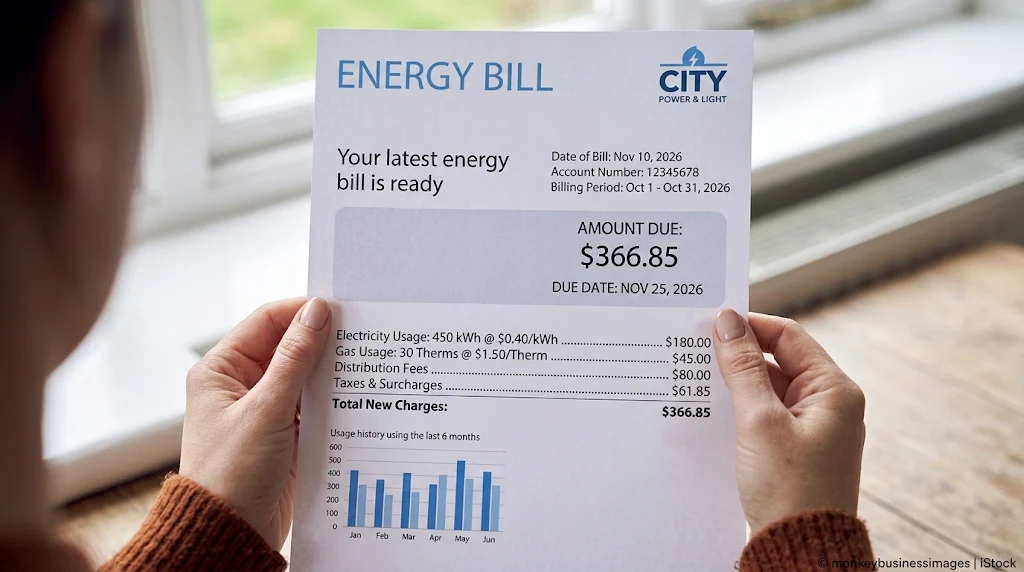
Rapid technological expansion drives higher electric bills for thousands of American families who barely use digital tools in their daily lives.
-
A recent study reveals that residential consumers subsidize multibillion dollar grid upgrades required to power growing server networks.
-
Rural communities, suburban neighborhoods and low income households absorb disproportionate rate hikes for infrastructure located hundreds of miles away.
AI data centers leave millions of Americans with increasingly costly utility statements even when households barely use the technology, according to new research published in the scientific journal Nature Energy by specialists at Cornell University, who analyzed 4 major United States power grids between 2020 and 2025 alongside data from 4,000 existing and planned facilities, while during that 5 year span total spending on power infrastructure jumped from $2B to $34.2B as major tech corporations generated $8.25B of those expenses yet received bills for just $3B, forcing residential customers to absorb over $16B despite causing only $3.5B in actual demand.
Moreover, this financial imbalance represents a decades old structural issue stemming from rate formulas designed to divide expenses based on historical consumption rather than new growth, sparking higher electric bills in communities without nearby servers that still fund artificial intelligence grid expansions before facilities ever begin operating, as researcher Fengqi You explained when noting that building these complexes requires upgrading transmission lines upfront even while consuming zero power during initial construction:
“If you are going to build a data center, you need to expand the electrical infrastructure; before they build it, however, they are not using energy”.
The unequal impact of AI data centers on regional power grids
Power grids already operating near maximum capacity experience the steepest wholesale rate hikes due to expanding server infrastructure, such as the South San Francisco Bay Area in California, where technological demand pushed wholesale energy prices up by nearly 20% during 2025, while the Dallas and Fort Worth metropolitan area in Texas recorded a 17% increase compared to regions like New York that maintained stable prices thanks to lower server density, and although most facilities cluster near major metropolitan centers, their economic burden spreads across surrounding suburban and rural areas where lower income households face rate hikes up to 76% higher than urban residents.
Additionally, report authors identified a striking geographic asymmetry after discovering that states like West Virginia and Ohio suffer the sharpest utility price increases while maintaining the lowest generative artificial intelligence usage rates nationwide, creating higher electric bills without direct local benefits and prompting You to warn:
“You do not have to live next door to a data center to help pay for its electrical infrastructure”.
Consequently, this financial strain crosses state lines because residents in New Jersey and Pennsylvania fund grid upgrades supporting technological growth in Virginia, a state housing one of the largest concentrations of tech infrastructure in the United States according to U.S. Energy Information Administration grid assessments, effectively covering construction projects that those ratepayers neither drive nor utilize.
Critical factors behind higher electric bills
-
Energy billing imbalance: AI data centers generated $8.25B in grid costs yet paid only $3B, while households covered more than $16B.
-
Suburban and rural rate penalties: Families living far from major metropolitan hubs absorb increases up to 76% higher than urban residents with greater digital connectivity.
-
Cross state utility subsidies: Ratepayers in New Jersey and Pennsylvania finance grid expansions built exclusively to power servers in Virginia, a national leader in tech infrastructure.
-
Financial strain from higher electric bills: Residents in states with minimal digital adoption pay rising utility rates for grids expanded under decades old billing formulas.
Regulatory solutions to curb rising household energy costs
The academic team at Cornell University proposes 2 immediate structural reforms to correct the billing imbalance and protect residential customers from unjustified higher electric bills on their monthly statements, where the first measure requires tech facilities to drastically cut energy consumption during peak regional demand hours while the second urges companies to pay states directly for every new load they add to the national transmission system, preventing everyday families from subsidizing private corporate investments.
Looking ahead, researcher Fengqi You stated decisively that establishing clear corporate and legislative accountability must guide future industry actions:
“The data center sector should pay for the electrical infrastructure upgrades it needs, not other customers, not households, and definitely not low income ones”.
This urgent recommendation gains immediate political weight following the November midterm elections, where utility regulation took center stage and experts expect these findings to shape upcoming decisions by lawmakers and corporate leaders monitored by the Federal Energy Regulatory Commission as the rapid expansion of AI data centers continues.
