

WATCH NOW
Watch on the app













Washington couple discovers a 120-foot cell tower on their property, then faces threat to have their power cut off
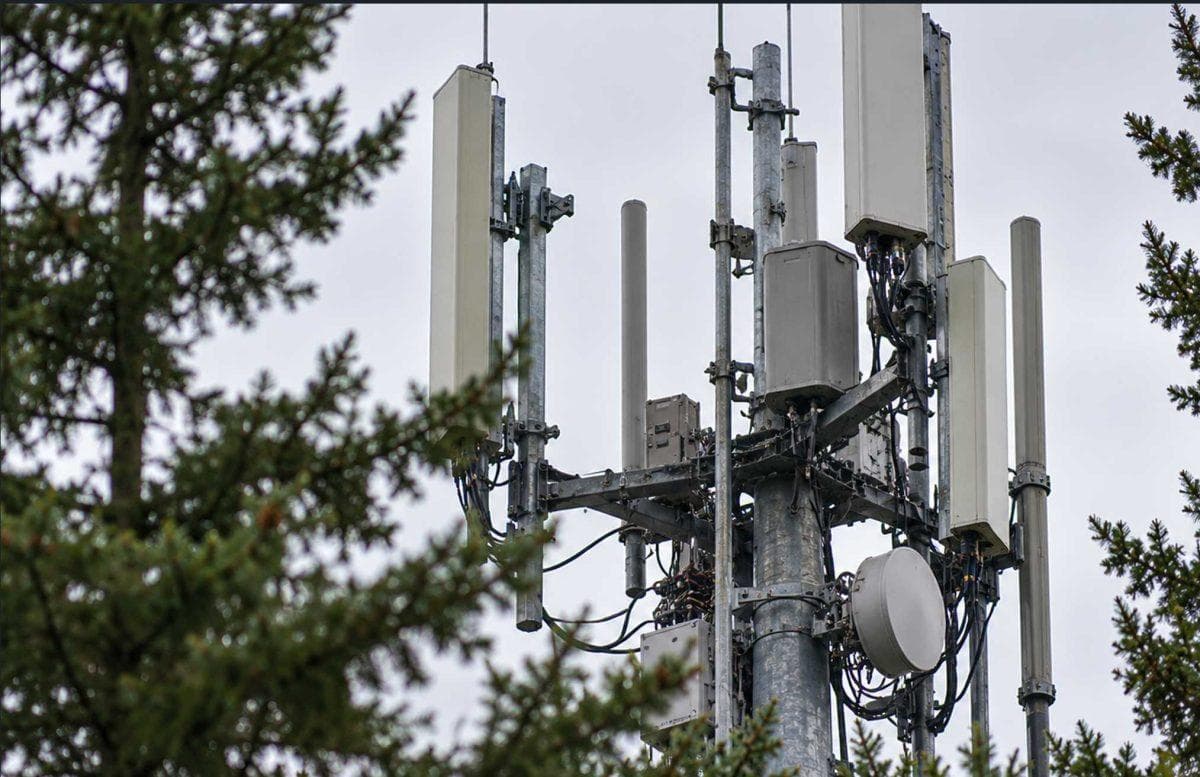
A Washington couple thought they knew what came with the property they purchased in 2017. But a massive structure that appeared on their land has turned into a legal battle over property rights, electricity and how much control homeowners really have over their own land.
Liz Covert and Denis Goudie, who own property in the Friday Harbor area of Washington’s San Juan Islands, say a local utility company installed a towering steel structure without properly notifying them or obtaining their consent. What happened afterward made the situation even more troubling: they allege the company threatened to disconnect their electricity unless they signed a new agreement.
The dispute has now raised a question that could concern homeowners far beyond Washington. Can a utility company use private land for infrastructure that the property owners say they never authorized?
A 120-foot tower and a 90-day ultimatum
At the center of the controversy is a 120-foot telecommunications tower installed by Orcas Power and Light Cooperative, known as OPALCO.
The couple acknowledges that an older wooden structure already existed on the property when they purchased it. However, they say it was replaced with a steel tower approximately 20 feet taller, accompanied by a larger generator that produces additional noise.
Covert told local news outlet KING 5 that she learned about the construction after a neighbor raised questions about the work. The couple says they were never properly consulted.
According to their account, OPALCO subsequently gave them 90 days to sign an easement agreement or face the possibility of losing electrical service.
OPALCO disputes the implication that it had no right to use the property. The cooperative maintains that the tower site existed with the previous owner’s permission and that members agree to certain utility easements when joining the organization.
That distinction is central to the case. The couple argues that the existing easement does not authorize the above-ground infrastructure now occupying their land.
Could a cell tower hurt a home’s value?
Beyond the legal fight, the dispute highlights a potential financial problem for homeowners.
Large telecommunications towers can affect a property’s appearance, obstruct desirable views and create concerns among prospective buyers. A 2019 study involving Georgia properties found that proximity to cell towers was associated with selling-price reductions of up to 7.6%, although the impact varies significantly by location and market conditions.
For Covert and Goudie, the tower occupies an elevated part of the property that could otherwise offer valuable views. The larger generator has also become a point of contention.
Other nearby homeowners have reportedly pursued similar legal action, suggesting the disagreement extends beyond one household.
What homeowners should know about utility easements
An easement generally gives another party a limited legal right to use someone else’s property for a specific purpose. It does not necessarily transfer ownership of the land.
However, the exact wording matters. An agreement permitting underground utility lines, for example, does not automatically establish permission for every type of above-ground installation.
Homeowners dealing with similar situations should review their property records, obtain copies of recorded easements and determine whether the infrastructure falls within the rights granted by those documents. A local real estate attorney can help interpret the agreements.
Some landowners voluntarily lease space for telecommunications towers, potentially earning thousands of dollars monthly. But those arrangements are different from a disputed installation involving an existing utility easement.
For the Washington couple, the outcome remains unresolved. Their case illustrates how a seemingly routine property document can become the center of a much larger fight when a utility company and homeowners disagree over what it actually permits.
And while the legal dispute continues, the 120-foot tower remains a visible reminder of just how complicated owning private property can become.
