

WATCH NOW
Watch on the app








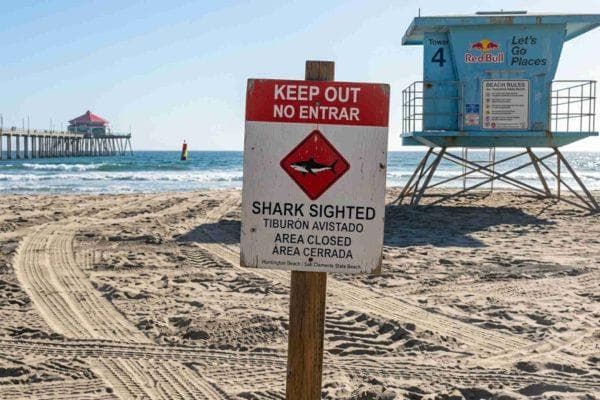






Huntington Beach closes two miles of California coastline after a shark sighting takes an unexpected turn
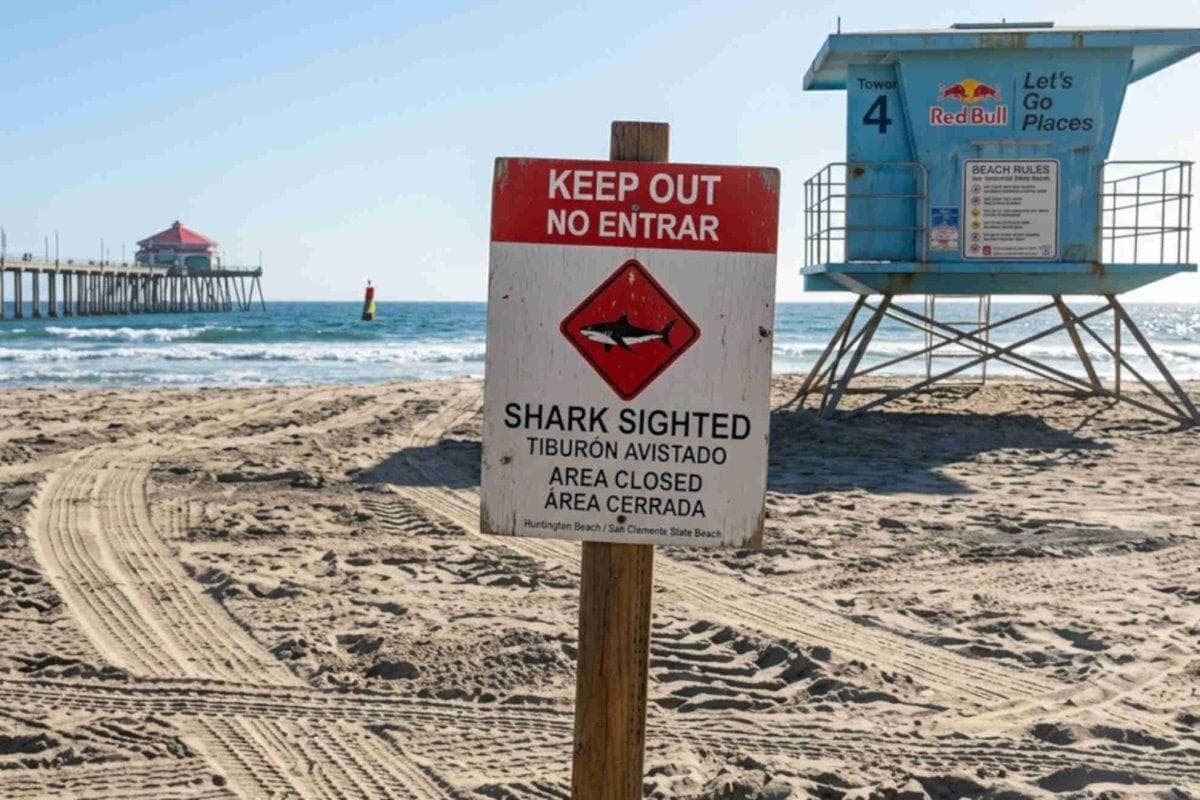
- The Fire Department ordered a preventive closure along two miles of Huntington Beach coast after an experienced surfer issued a white shark sighting alert, leading to beach closures.
- Rescue teams deployed drones and watercraft to patrol the area between Seapoint Street and the municipal pier along the California coast.
- Marine life specialists link these unusual shark sightings to ocean warming driven by the El Niño weather pattern.
The unexpected athlete report forcing the suspension of water activities in Southern California
Emergency services took drastic safety measures following an alert deemed entirely credible, prohibiting ocean access along the Huntington Beach shoreline and executing beach closures across this California coast. The local authorities’ decision stemmed from a foilboard surfer spotting an impressive white shark roughly ten feet in length swimming in circles just ninety yards from the shore; while beachgoers and visitors retained the right to walk on the sand, the prohibition directly affected a two-mile coastal stretch located between Seapoint Street and the city’s iconic municipal pier. Likewise, lifeguard protocols classified the circular swimming pattern as aggressive behavior, immediately triggering monitoring operations to safeguard tourists following shark sightings in the area.
Technological deployment and thorough search executed by marine rescue teams
In this manner, authorities immediately applied an intensive surveillance operation along the California coast shoreline while rescuers utilized advanced technology to track the white shark before authorizing the official reopening of ocean waters in Huntington Beach. Furthermore, Marine Safety Battalion Chief Derek Peters confirmed that rescuers surveyed the impacted sector using aerial drones, personal watercraft and specialized rescue boats to locate the animal. Although rescuers did not achieve an independent shark sighting during patrols, temporary beach closures remained in effect as a precaution to prevent any tragic incidents in the area. Additionally, experts recalled that similar preventive closures occurred earlier in the year, proving that shark presence on crowded California beaches requires an immediate response from public safety services, while also noting these sightings may stem from El Niño ocean currents.
The impact of warm currents and migratory shifts analyzed by the scientific community
On the other hand, when analyzing the biological drivers behind these coastal phenomena, marine wildlife experts explained that rising ocean temperatures in the Pacific directly alter shark migration routes for species like the white shark. For his part, Professor Chris Lowe, director of the Shark Lab at California State University, Long Beach, noted that the spotted specimen could be an adult searching for food or juvenile sharks displaced by the El Niño climate pattern. In conclusion, while local Huntington Beach families respected the restrictive warnings on the sand, the scientific community emphasizes that coexisting with marine life requires constant vigilance given environmental changes along the California coast that can prompt shark sightings near the shore and lead to beach closures for swimmer and tourist safety.
Ver esta publicación en Instagram
