

WATCH NOW
Watch on the app














Owners in resort towns are crying out in desperation as their properties become financial nightmares
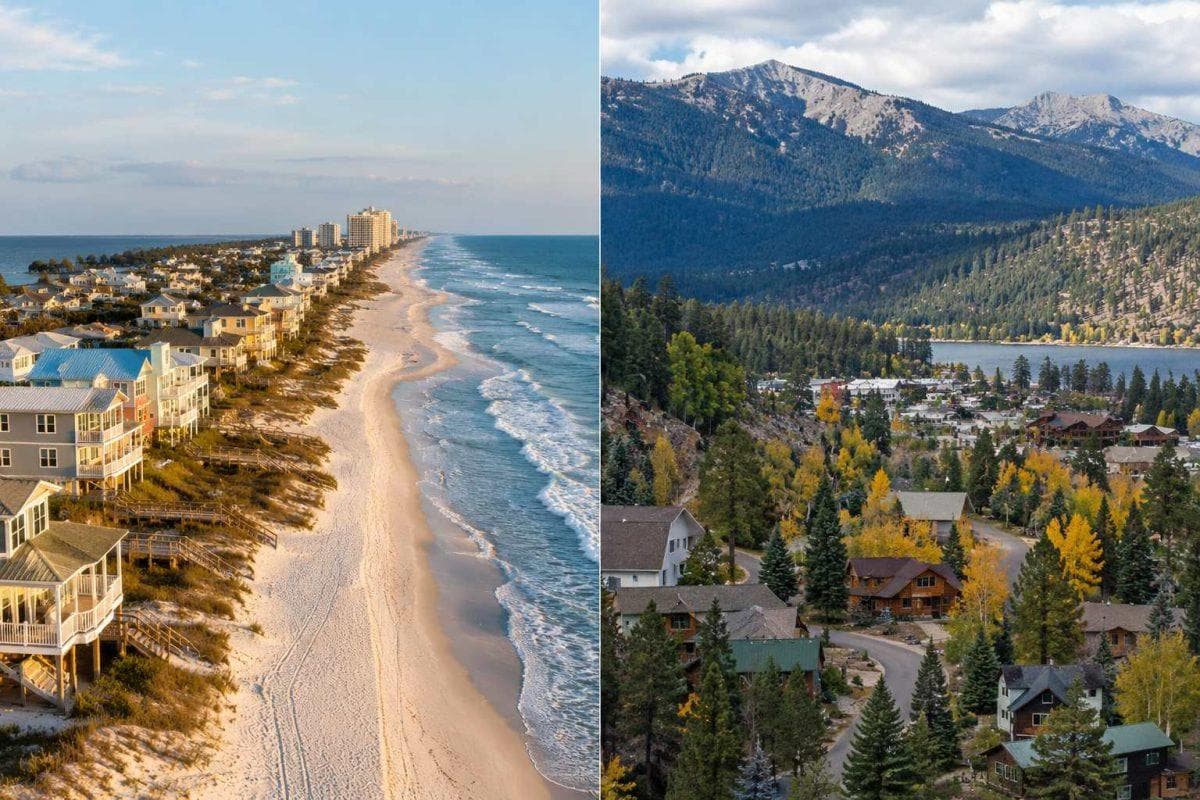
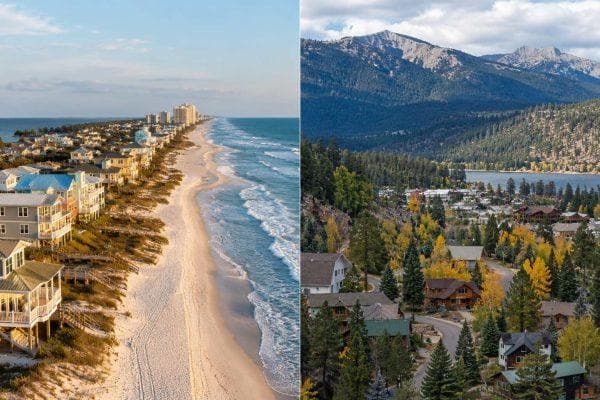
For anyone who spent the pandemic watching investors snap up mountain cabins and beach houses while prices seemed to climb every month, there may be a little guilty satisfaction in what is happening now. Some of America’s hottest vacation-home markets have flipped, and owners who once expected easy rental income and rising property values are discovering that getting out can be much harder than getting in.
The vacation-home gold rush is losing its shine
The boom was extraordinary. Demand for second homes peaked 88% above pre-pandemic levels in March 2021, while vacation destinations saw prices explode. Home values in Gatlinburg, Tennessee, more than doubled in roughly two years; Big Bear Lake, California, jumped 77%; and the metro area that includes Destin, Florida, climbed nearly 50%. Short-term rentals were booming too, making expensive properties easier for investors to justify.
But that equation has changed. Higher borrowing costs, insurance, taxes and maintenance are colliding with a much more competitive rental market. Investors who once targeted annual rental revenue equal to around 10% of a property’s purchase price are now seeing potential deals closer to 7% or 8% in markets such as Gatlinburg. The short-term rental business itself is not collapsing, but owners can no longer assume that almost any vacation property will produce pandemic-era returns.
One cabin shows how painful selling has become
A two-bedroom cabin in Gatlinburg tells the story. The property hit the market in January 2024 for $850,000. After two years, multiple listings and repeated reductions, the asking price has fallen to just under $600,000, a cut of almost 30%. Its agent described the process as essentially chasing a falling market. The owners bought the cabin for $380,000 in 2020, so a sale near today’s asking price could still leave them ahead, but nowhere near the windfall that peak-era valuations once suggested.
For people who bought later, the math can be considerably uglier. Business Insider reports that some owners who purchased near the top are facing potential six-figure losses. In Big Bear Lake, home values are about 20% below their June 2022 peak, while available inventory in the surrounding county has risen nearly 47% over the same period. More homes competing for fewer eager buyers means sellers have less leverage, and agents say some buyers now simply wait for the inevitable price cut before showing serious interest.
The industry is correcting, not disappearing
There is an important distinction: America’s vacation-home industry is not crashing everywhere. Current rental data still shows meaningful demand. Gatlinburg had more than 7,300 active short-term rentals as of August, with average annual revenue around $66,800, while Big Bear City listings averaged roughly $39,800. What has disappeared is the assumption that buying a vacation property is an easy path to profit.
That could define what comes next. Owners with low mortgages or properties purchased years before the boom may simply wait. Luxury markets with wealthy cash buyers can behave differently. But sellers who bought near the 2021-2022 peak and depend on rental income have less room to maneuver. The beach house or mountain cabin is still somebody’s dream; the problem is that buyers now know they can afford to wait for the seller’s nightmare to get cheaper.
