







In the 1970s, New York built a subway tunnel beneath Manhattan that was never used
-
A ten block subway passage built beneath Second Avenue in East Harlem has remained completely empty since 1975.
-
The historic project was halted due to severe financial troubles that brought New York City close to bankruptcy.
-
Transit officials conduct routine inspections while planning to integrate the abandoned structure into future expansions.
Deep underneath the bustling streets of East Harlem lies a quiet ten block subway structure that leads nowhere and has never seen a single passenger train pass through its concrete walls. Extending silently from 110th Street to 120th Street beneath Second Avenue, this unique underground cavern stands as a clear reminder of a time when New York City envisioned massive public transit improvements across the eastern side of Manhattan before running out of the necessary funds to complete the ambitious engineering project.
Ver esta publicación en Instagram
The rise and sudden halt of the Second Avenue expansion
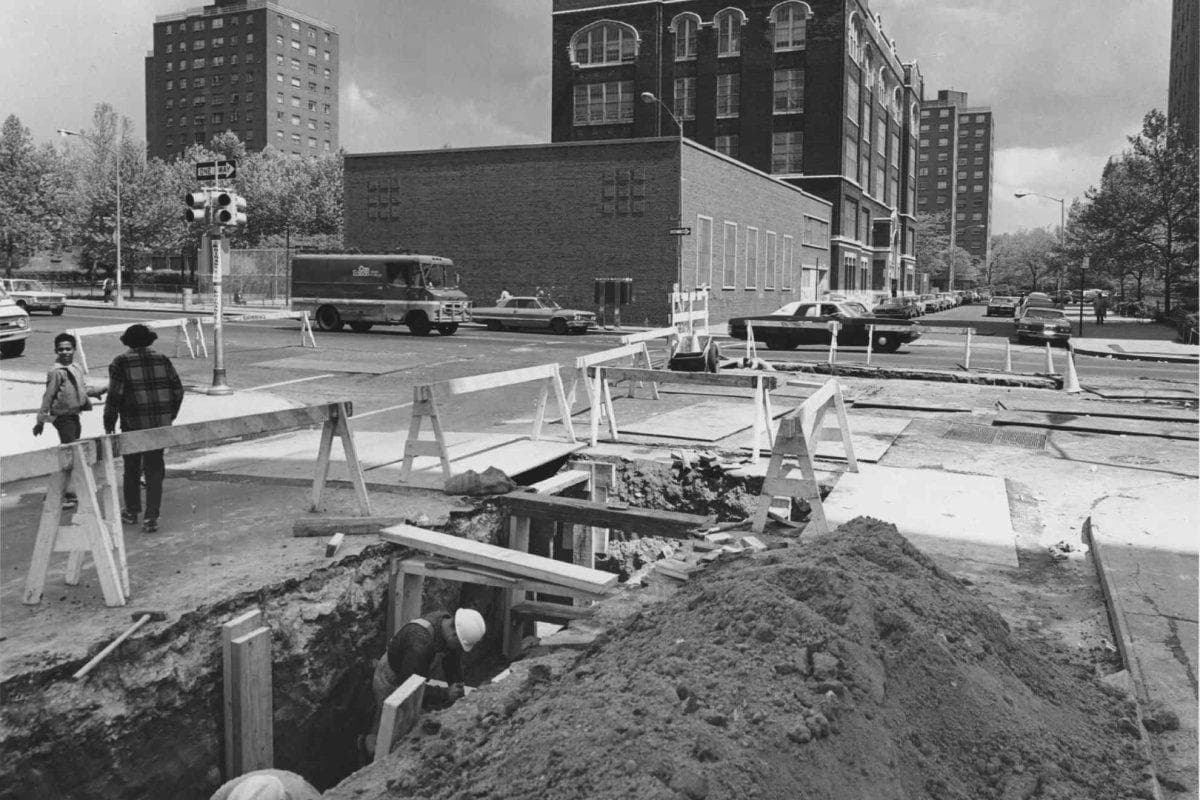
The construction effort officially began in 1972 under the leadership of Governor Nelson Rockefeller and Mayor John Lindsay. Over the following three years, dedicated construction crews worked around the clock to excavate and build four major tunnel segments using heavy concrete structures designed to last for generations. However, as economic conditions deteriorated rapidly across the nation, Mayor Abe Beame was forced to freeze all construction activity in 1975 when the municipal government faced severe financial hardship and neared total bankruptcy, leaving the newly built tunnels sealed in complete darkness.
Maintenance routines and current structural conditions
Despite being unused for nearly five decades, the tunnel remains in surprisingly good physical shape according to structural engineers and transit managers. Representatives from the Metropolitan Transportation Authority enter the restricted area every few months to inspect the solid concrete walls, evaluate protective paint, and manage groundwater seepage. Senior officials have confirmed that the sturdy construction quality preserved over the years makes the structure fully capable of supporting modern transit infrastructure if the ongoing expansion plan receives the required funding.
Ver esta publicación en Instagram
Future plans to connect East Harlem to the subway network
Following the successful opening of a modern Second Avenue subway section several years ago, transportation authorities are once again aiming to extend the line northward toward 125th Street. Integrating this forgotten 1970s tunnel section into current expansion plans could save significant time and resources, potentially transforming the space into a central platform for a future 116th Street station. While navigating deep bedrock layer challenges and securing billions in public funding remain major hurdles, completing the project would finally fulfill a long overdue promise made to East Harlem residents when elevated transit lines were originally demolished.
Cover photo from: ny1.com
