

WATCH NOW
Watch on the app









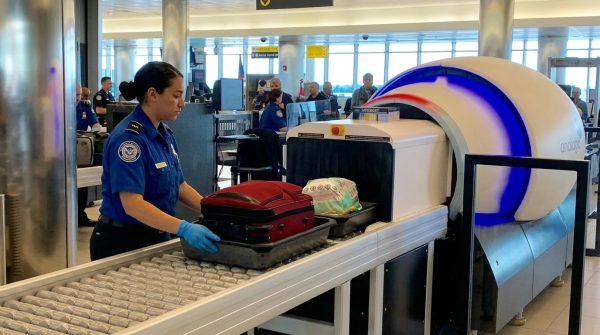




California airport TSA security finds live animal in traveler’s luggage
-
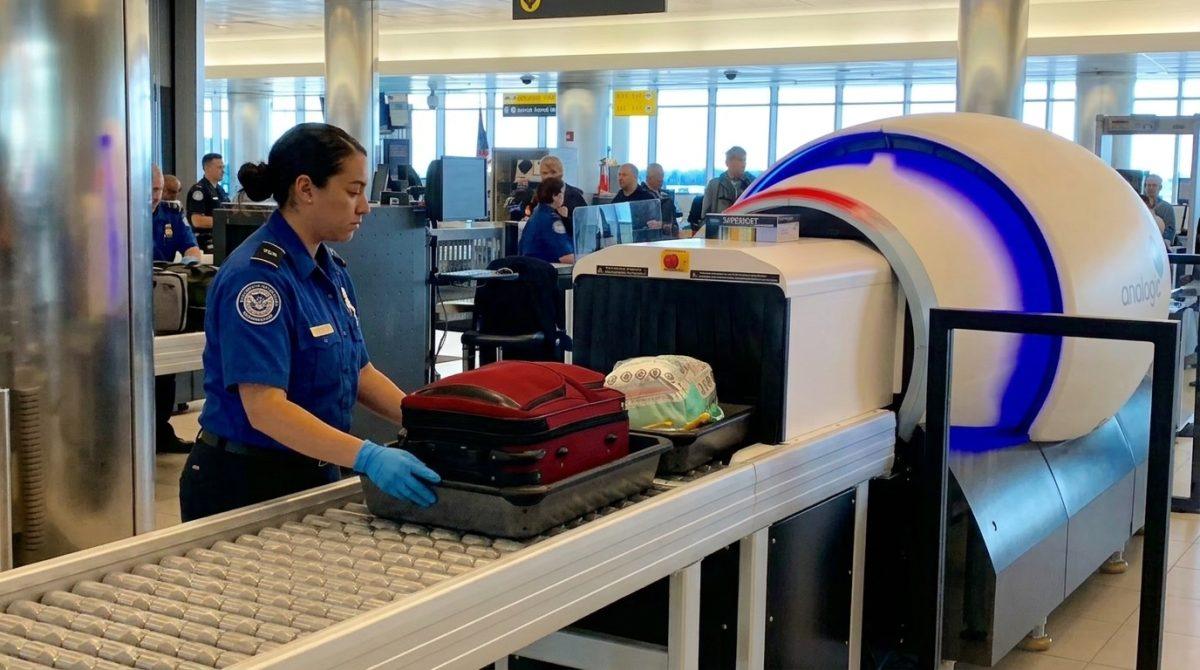
A rattlesnake in a suitcase discovered inside an airport terminal in Ontario triggered an immediate security response for a traveler in California.
-
Federal regulations strictly prohibit carrying venomous reptiles and exotic wildlife inside commercial passenger aircraft luggage.
-
Security agencies urge passengers to verify all airline pet policies and wildlife import restrictions before heading to the airport.
A traveler in California tested airport security limits when agents discovered a rattlesnake in a suitcase during routine luggage screening at an airport terminal in Ontario; consequently, this dangerous and illegal wildlife transport triggered immediate intervention by federal transportation authorities and wildlife protection officers.
Travelers across the country frequently misunderstand airline rules regarding exotic pets, yet attempting to smuggle venomous reptiles creates severe safety hazards for everyone on board; furthermore, federal agencies emphasize that wildlife transport requires specialized permits rather than standard luggage compartments, ensuring that a rattlesnake in a suitcase remains strictly prohibited on all domestic and international flights.
Traveler in California confronted by TSA over rattlesnake in a suitcase
A traveler in California sparked a major security alert when Transportation Security Administration screeners detected a rattlesnake in a suitcase during baggage inspections; subsequently, transportation security officers seized the venomous reptile alongside other live snakes to prevent potential catastrophe in the cargo hold.
Specialized wildlife handlers immediately removed the dangerous animals from the terminal, while federal investigators launched a formal inquiry into the origin of the reptiles; additionally, security personnel reminded the public that a rattlesnake in a suitcase carries heavy legal penalties and immediate flight bans under Federal Aviation Administration transport laws.
Safety protocols and airline restrictions
-
Commercial airlines enforce strict species guidelines where dogs and cats represent the most common options, bird acceptance depends on the airline, species, and destination, rabbits and rodents typically lack cabin inclusion, reptiles face special restrictions and carrying a rattlesnake in a suitcase violates every commercial aviation safety standard.
-
Dogs entering the United States from rabies-free or low-risk countries like Mexico must reach at least 6 months of age, carry a universal microchip, present good health and feature the online CDC Dog Import Form, while cats bypass this federal form though states and airlines may request health certificates and vaccines.
-
Airlines lack a universal weight limit and focus instead on whether pets fit comfortably inside carriers beneath front seats for a traveler in California, since JetBlue establishes a strict 17 by 12.5 by 8.5 inch carrier limit alongside mandatory reservation fees and advance booking.
-
The U.S. Department of Transportation recognizes individual service dogs for people with disabilities to fly free in cabin without standard pet fees, whereas emotional support dogs forfeit federal service animal status and trigger additional DOT training forms or extra declarations for flights lasting 8 hours or longer.
-
Federal agencies like the U.S. Department of Agriculture and the U.S. Fish and Wildlife Service regulate wildlife imports, proving that legal entry permission guarantees zero automatic airline cabin acceptance for venomous snakes or other exotic creatures.
Loading video...Loading Video
Federal guidelines and wildlife protection measures
Federal oversight agencies establish comprehensive boundaries to prevent illegal wildlife trafficking across domestic and international flight routes and strict enforcement measures remain active across every major transportation hub in the country; additionally, the U.S. Department of Agriculture coordinates with wildlife protection services to confiscate prohibited fauna, proving that discovering a rattlesnake in a suitcase results in immediate legal action and severe penalties.
Airport security teams prioritize passenger protection above individual convenience, ensuring that any dangerous wildlife breach meets immediate legal consequences and permanent travel bans; meanwhile, verify all airline animal policies thoroughly before heading to the terminal to guarantee compliance and protect the safety of a traveler in California.