

WATCH NOW
Watch on the app













Florida’s rainwater ponds were built to handle storms but now they’re taking on the sun
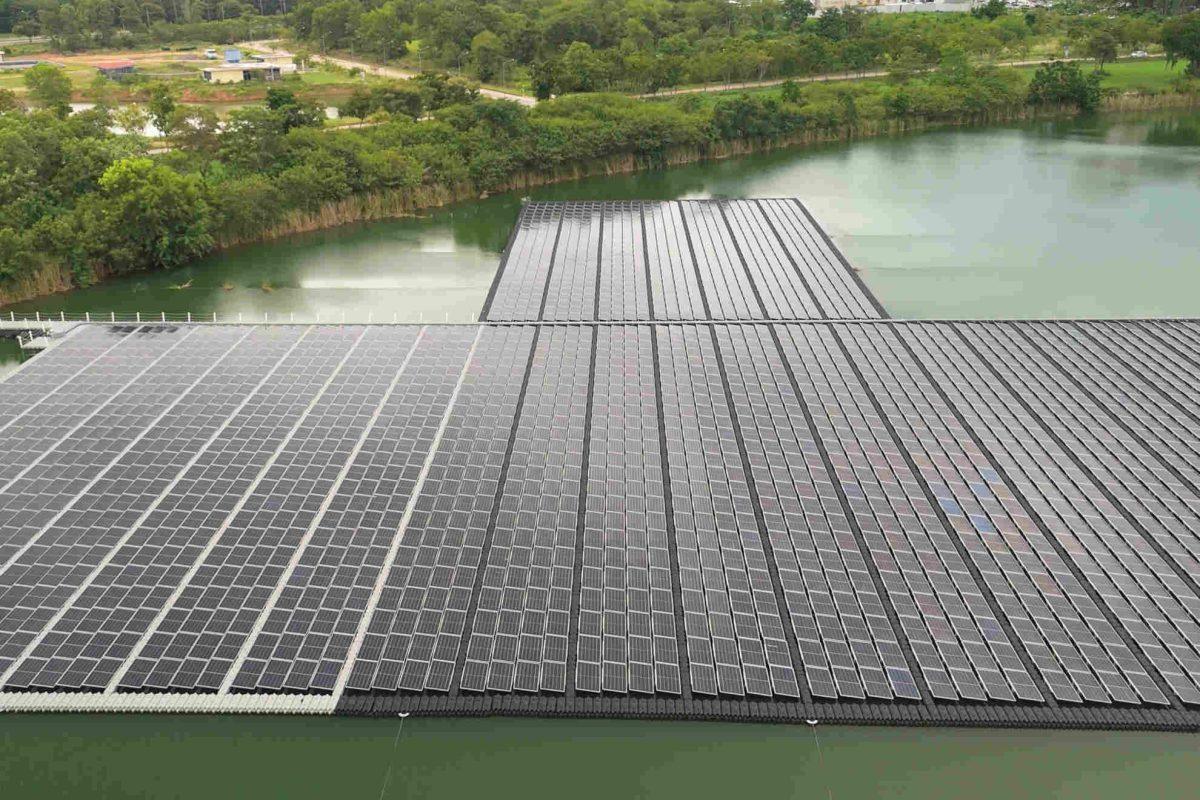
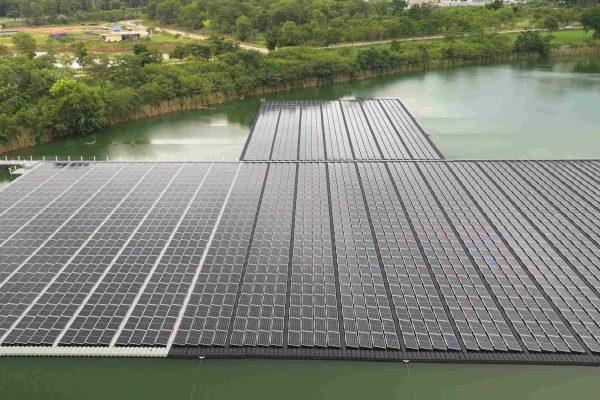
- Florida leverages a network of seventy-six thousand urban rainwater ponds to install floating solar energy panels without using extra land.
- The international cost of this technology dropped forty-eight percent over the last decade while withstanding intense storms like Hurricane Milton.
- Environmental specialists warn that covering too much water surface with photovoltaic panels could alter oxygen levels and wildlife in these ponds.
An energy revolution on the water transforming the urban landscape
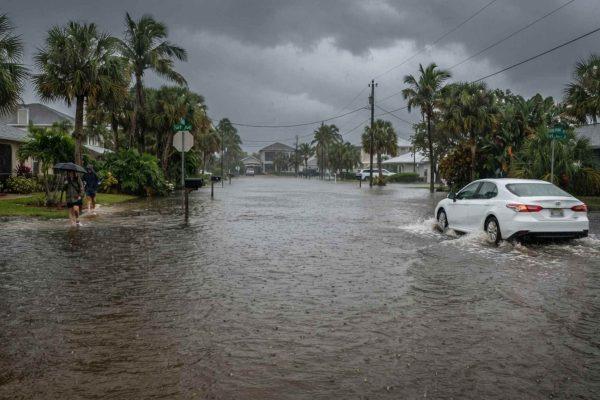
Florida’s rainwater ponds, originally built to contain storms and prevent flooding like the surges Hurricane Milton caused, now experience an amazing transformation by becoming modern floating solar farms. Thus, leveraging a massive network of roughly seventy-six thousand artificial lagoons covering nearly three percent of its urban surface, the state drives this clean innovation forward since a twenty-twenty-two law formally backed using these aquatic spaces.
In this way, across cities like Orlando, the Utilities Commission already operates a monumental installation on Conway Road featuring over three thousand four hundred photovoltaic panels capable of generating two megawatts, proving that for millions of families and our Latino community across The United States, smart water management produces electricity without sacrificing expensive land while giving the environment a welcome breather.
Technical advantages, falling costs and proven resilience against hurricanes
Beyond optimizing urban spaces lacking any other practical use, deploying floating solar energy across Florida’s rainwater ponds proves increasingly attractive following a forty-eight percent global drop in costs over the past decade. As energy experts explain, close contact with water naturally cools the photovoltaic panel cells and boosts performance between five and eight percent compared to traditional rooftop systems. Likewise, engineers design these platforms to adapt to fluctuating water levels and endure extreme winds, just as D3Energy demonstrated by confirming that its more than fifteen installations statewide survived Hurricane Milton’s devastating path without structural damage.
The scientific debate over ecological balance inside the lagoons
However, while companies like D3Energy project generating over one gigawatt using Florida’s rainwater ponds located alongside state highways, various scientists urge caution to protect the ecosystems thriving beneath these floating solar energy structures. Although these basins represent artificial infrastructure, the lagoons harbor algae, fish, insects and birds performing vital functions in filtering nutrients and pollutants just like any natural wetland. Therefore, university researchers warn that excessively blocking sunlight with floating solar energy arrays can disrupt photosynthesis and reduce available oxygen in the water, prompting operators across The United States to currently cap photovoltaic panel coverage at seventy or eighty percent while pinpointing the exact threshold to prevent irreversible environmental harm.
Ver esta publicación en Instagram