

WATCH NOW
Watch on the app













Texas university promised her a safe campus but a sexual assault case led to a $250 million lawsuit
-
A $250 million lawsuit demands legal accountability after a private higher education institution broke student protection guarantees.
-
Court filings in a Virginia federal court reveal that university officials formally investigated less than 5% of 564 sexual assault reports recorded between 2020 and 2024.
-
Virginia’s attorney general backs the civil action under state consumer protection laws targeting deceptive business practices.
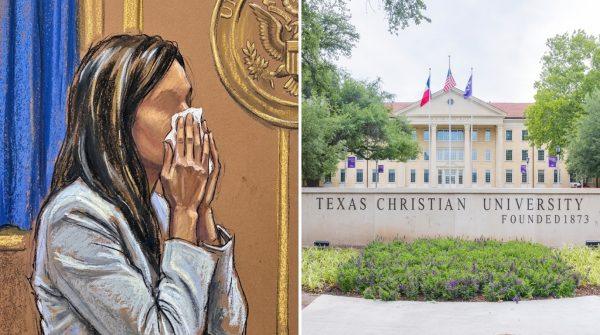
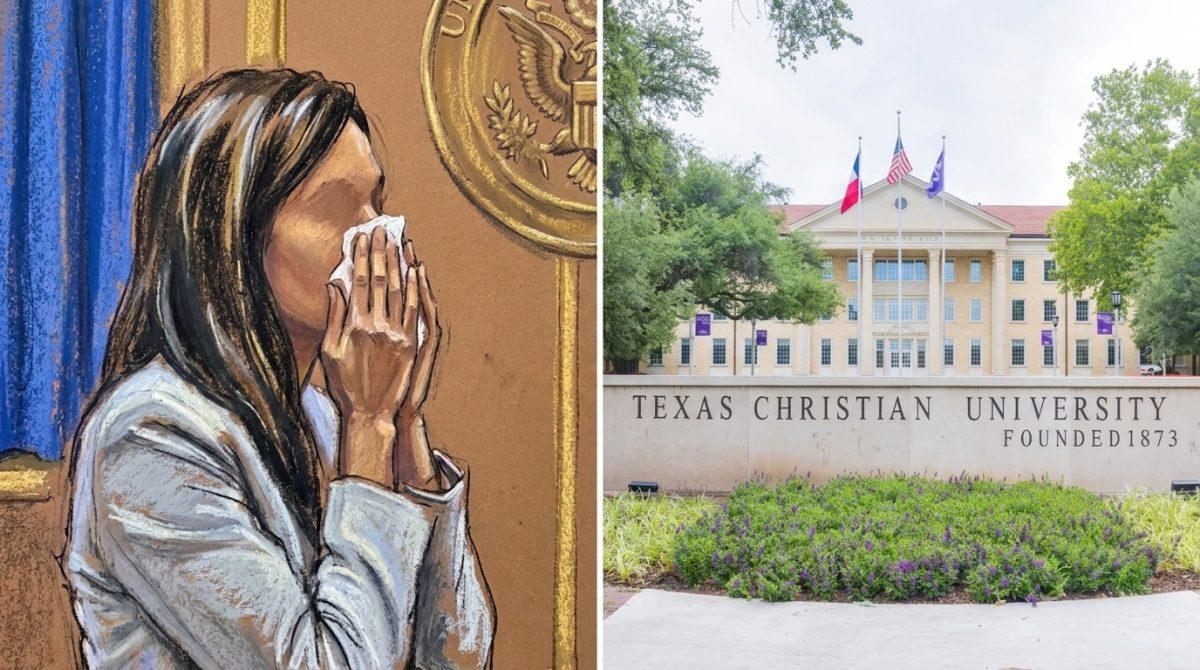
A former student identified under the pseudonym Jane Doe filed a Texas university lawsuit after alleging that Texas Christian University promised her a safe campus before a sexual assault case led to a $250M claim; through this legal complaint lodged in a Virginia federal court, the young woman asserts that the private Fort Worth institution misled her family during the admissions process by guaranteeing a protected environment for women, while federal statistical disclosures demonstrate that the school failed to uphold its own institutional standards for prevention and effective response.
Furthermore, this legal action sets an unprecedented benchmark in the United States because attorney Thomas M. Wolf invoked the Virginia Consumer Protection Act rather than relying solely on federal Title IX provisions; consequently, the litigation challenges the commercial accountability of academic institutions when they recruit students with verifiable promises of physical safety, demanding a jury trial while the Virginia federal court still weighs dismissal and transfer motions following the events of fall 2024.
Origins of the Texas university lawsuit and internal disciplinary failures
Court records detail that Jane Doe grew up in Virginia and accepted an academic scholarship in Fort Worth after trusting official university statements about dormitory safety, yet during her freshman year she attended a party with a fellow resident where both consumed alcohol and shared a ride back before spending roughly 30 minutes together in her room; subsequently, the young woman fell asleep and woke up as the male student engaged in sexual intercourse without a condom or consent, prompting her to order him out immediately and arrange an in person meeting the next day where she secretly recorded on her phone his explicit admission of penetrating her without asking for verbal consent.
Nevertheless, despite holding this recorded confession and watching a university disciplinary panel find the assailant responsible, officials initially imposed only a written reprimand, a dorm reassignment, consent training videos and a reflection essay, rejecting her first appeal in which she challenged, according to statements published by The New York Times, using the mild phrase nonconsensual sexual intercourse instead of calling it rape; consequently, only after her attorney sent a formal demand letter did Texas Christian University leadership label the original ruling inappropriate and issue a 2 semester suspension reported by NBC 5, though that penalty arrived after the academic year had already ended and she had permanently left campus in connection with the $250 million lawsuit.
Legal strategy behind the $250 million lawsuit and state backing
Brooklyn College professor KC Johnson, an expert on civil rights litigation in higher education, described deploying state consumer statutes as a highly unusual maneuver compared to the steep deliberate indifference standard required under Title IX; yet attorney Thomas M. Wolf directly questioned why universities should receive different treatment than any other business provider that deceives a Virginia consumer when spreading false safety claims to attract tuition dollars.
Meanwhile, Virginia Attorney General Jay Jones filed an official brief supporting the extraterritorial reach of the Virginia Consumer Protection Act to shield state residents from out of state entities; concurrently, Texas Christian University moved to dismiss or transfer the case by arguing that the complaint lacks legal merit, that its campus crime statistics remain publicly accessible, that Virginia law does not govern its educational services and that the dispute stems solely from the student’s personal choice to enroll in Fort Worth, leaving the federal court to decide the fate of this $250 million lawsuit through an upcoming final ruling on those motions.
Alarming figures fueling the legal battle in federal court
-
Mandatory federal disclosures show that Texas Christian University logged 564 sexual assault reports between 2020 and 2024, yet campus administrators launched formal investigations into less than 5% of those cases, fueling the Texas university lawsuit.
-
University officials disputed that interpretation by arguing that federal crime tallies may include duplicate entries or reflect instances where complainants requested anonymity and declined to participate in disciplinary hearings, a core point contested within the $250 million lawsuit.
-
National Women’s Law Center senior director of education justice Shiwali Patel warned in remarks cited by The New York Times that this case underscores the recent weakening of federal Title IX regulations and stated plainly that the campus was not the safe place the student believed it would be.
Looking ahead, whatever jurisdictional ruling the Virginia federal court delivers will determine whether colleges nationwide face similar claims under state consumer protection statutes, cementing the national stakes surrounding this legal battle as both sides await upcoming evidentiary hearings.