













The truth behind the November 17 global blackout rumors and the terrifying three-day warning
-
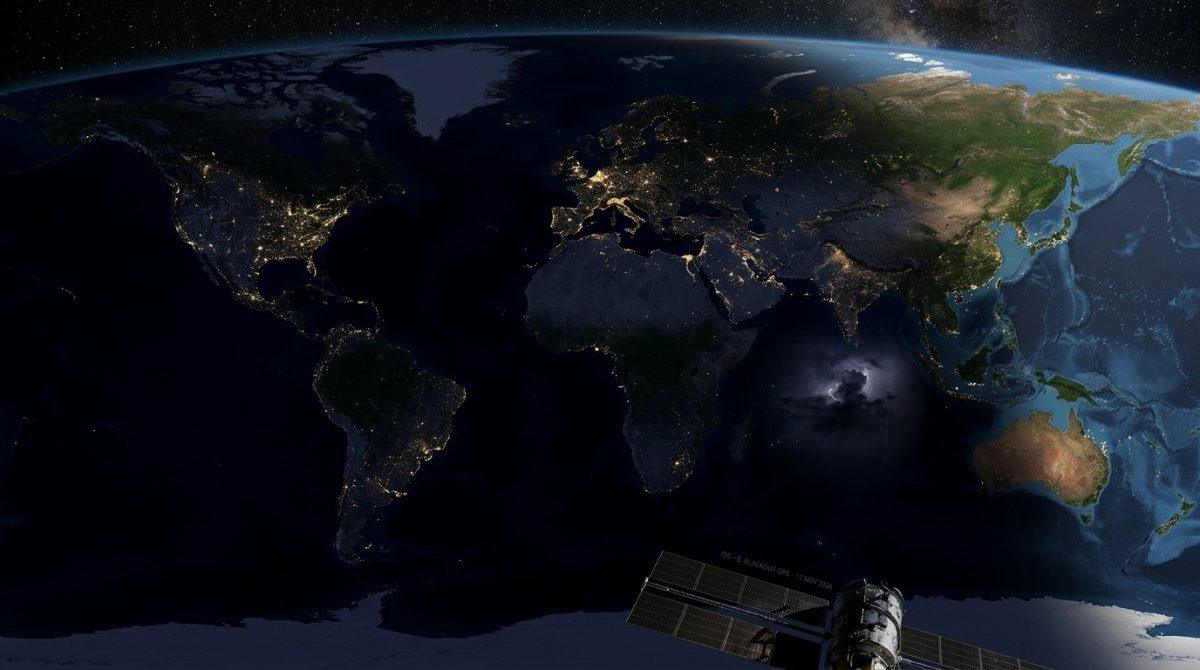
72 hours without power remain the central focus of viral videos circulating across Instagram and TikTok as digital content creators amplify unverified warnings regarding a catastrophic technological collapse.
-
Global blackout rumors circulate wildly across international platforms as alarming claims warn millions of users about impending communication failures.
-
International technology analysts emphasize that modern infrastructure faces no credible threat of simultaneous worldwide service termination.
Global blackout rumors spark fears of internet and power loss as alarming social media claims circulate wildly across international platforms, warning millions of users about a catastrophic event; digital content creators amplify panic by suggesting that modern civilization faces an imminent collapse of essential digital infrastructure and banking systems before the end of the day.
Specifically, online commentators question what is behind the theory driving this widespread digital hysteria, prompting cybersecurity experts and government agencies to investigate the root causes of these viral narratives; technical investigations reveal a complex web of misinterpreted emergency tests, standard European preparedness advisories and completely fabricated television predictions that together manufactured an entirely unfounded global crisis.
Examining emergency drills and 72 hours without power
Official statements from the Federal Emergency Management Agency and the Federal Communications Commission (FCC) clarify that routine system tests generate zero risk of widespread technological outages, since regulatory communication protocols require periodic functionality checks; FEMA conducts these scheduled evaluations at least 1 time every 3 years to guarantee proper operational readiness during actual emergencies while preparing communities for 72 hours without power if real disasters strike.
Meanwhile, telecommunication authorities execute these scheduled evaluations without ever disconnecting household power grids or internet services, ensuring that routine testing remains entirely separate from any network disruption.
Ver esta publicación en Instagram
Analyzing European resilience guidelines and public advisories
Official European Union safety documents establish standard civil preparedness guidelines recommending that households maintain an emergency supply kit composed of food, drinking water, cash, and portable batteries to sustain themselves through temporary disruptions, yet these routine recommendations never announce specific calendar dates for systemic failures; these initiatives gained significant momentum between 2024 and 2026 amid an international context marked by the war in Ukraine, hybrid threats and constant cyberattacks targeting critical infrastructure.
Concurrently, several European governments updated their civil preparedness plans to guide populations through multiple risks, highlighting renovated protocols from Sweden, France and Finland alongside directives issued by the United Kingdom in late October to mitigate technological failures, extreme weather events, heatwaves, droughts and wildfires; citizens following these official recommendations simply enhance their everyday safety without endorsing unverified social media prophecies concerning a total technological collapse.
Debunking global blackout rumors and media myths
-
Popular culture references frequently fuel modern conspiracy theories because internet users love connecting unrelated fictional television episodes, such as the popular animated series The Simpsons, with genuine historical dates to fabricate prophecies regarding 72 hours without power on November 17.
-
Digital algorithm metrics demonstrate that sensationalized content generates massive engagement spikes, encouraging opportunistic accounts to recycle old internet hoaxes under renewed calendar headings.
Following these detailed examinations of social media trends, communication specialists urge digital platforms to implement stricter content moderation algorithms that immediately flag unverified panic-inducing rumors before they reach millions of impressionable viewers; cultivating media literacy across all demographic groups remains the most effective defense against manufactured digital panics designed exclusively for viral attention.
Ver esta publicación en Instagram
Will global blackout rumors come true today?
Although electrical interruptions, cyberattacks and critical infrastructure failures represent genuine risks that governments factor into their prevention plans, no scientific or institutional evidence indicates that global blackout rumors will ever materialize; alert system tests and supply recommendations strictly follow preventative protocols and must never be interpreted as announcements of imminent events.