

WATCH NOW
Watch on the app



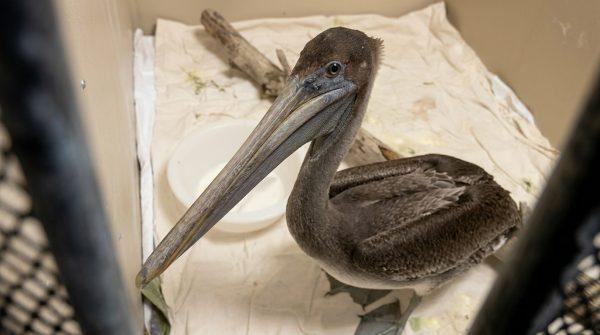











An injured pelican showed up at a Florida research office and the scientists knew something was wrong
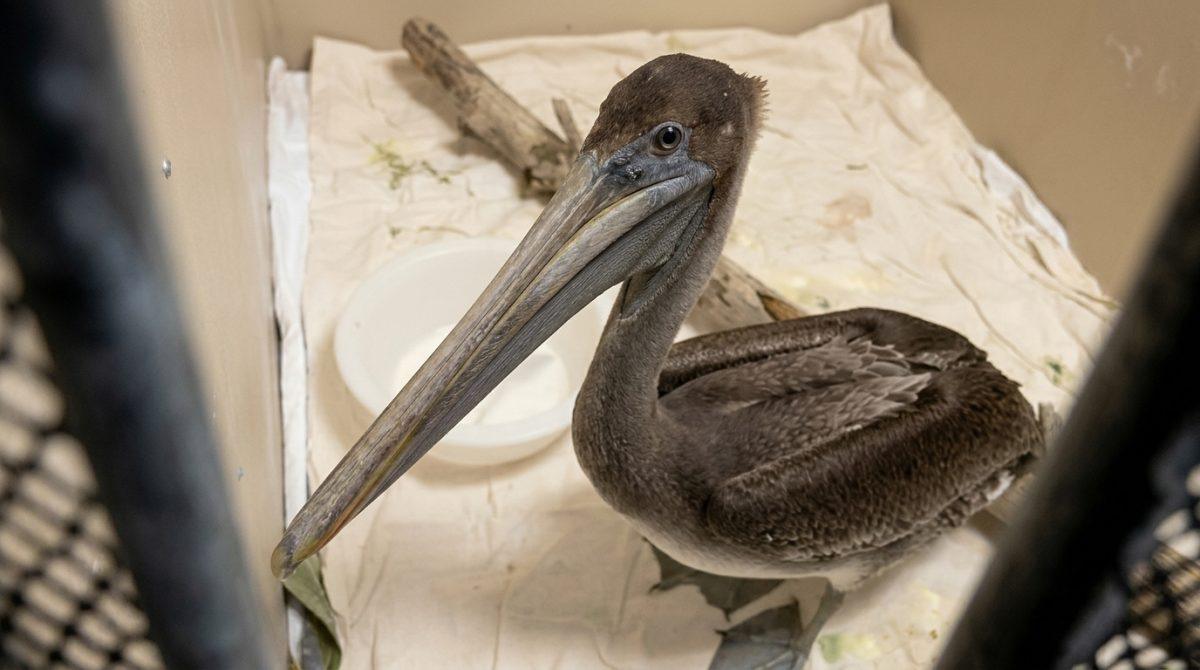
-
An injured pelican approached a federal science office door seeking urgent medical help in an extraordinary coastal encounter.
-
Marine researchers from the National Oceanic and Atmospheric Administration successfully removed a deep fishing hook and cactus spines.
-
Wildlife experts emphasize that timely human intervention saved the seabird from starvation or predators.
Florida scientists got a knock at the door from an injured pelican and what happened next saved its life, because a brown pelican surprised NOAA researchers in Panama City after walking approximately 400 meters from a St. Andrew Bay inlet, according to details shared with The Washington Post by University of Miami research associate Annsli Hilton.
Consequently, this baffling incident caught marine biologists completely off guard because their daily operations traditionally focus on studying fish populations and sharks rather than providing emergency triage to distressed coastal wildlife, transforming a standard workday into a remarkable rescue mission that highlighted the unpredictable nature of marine biology fieldwork.
How Florida scientists provided emergency medical care
The expert team immobilized the affected wing while carefully cutting a 1.8-meter fishing line using specialized scissors and additionally broke an embedded hook with pliers to remove the metal from the bone.
Meanwhile, medical intervention required extreme precision to avoid causing additional trauma to fragile avian bones while handling specialized tools in a makeshift clinical environment, demonstrating how the seamless execution of these emergency techniques revealed the remarkable adaptability of federal research personnel when faced with unexpected animal welfare crises.
Key facts about the survival of an injured pelican
-
Urgent rescue impact: Deborah Jaques, founder of the non-profit organization Pelican Science, warns that the animal would likely have starved or fallen prey to predators without this timely human assistance.
-
Foraging instincts: Professor Gerald Hough from Rowan University explains that seabirds frequently associate human structures and fishing activity with food opportunities, which likely guided the injured pelican toward the building.
-
Diving specialization: According to the Monterey Bay Aquarium, coastal pelicans plunge like torpedoes from heights approaching 19.8 meters to catch prey in pouches holding up to 9 liters of water and fish.
Furthermore, biological assessments indicate that brown pelicans rely heavily on their sharp eyesight and aerodynamic agility during high speed aquatic foraging maneuvers, proving that preserving their physical health remains vital for maintaining balanced coastal ecosystems across marine habitats.
Behavioral theories behind the injured pelican visit
Beyond basic foraging habits, researchers considered that the bird might have mistaken its own reflection in the glass door for another pelican, or alternatively sought relief from the sun under the shaded entryway.
Particularly, environmental behaviorists note that urban encroachment frequently forces coastal species to interact directly with anthropogenic structures, which often results in fascinating yet perilous encounters that require ongoing scientific observation and community protection, mirroring the initial journey made toward Florida scientists.