

WATCH NOW
Watch on the app














Texas is hiding 10 ghost towns where entire communities vanished and history still lingers
-
Forgotten places scattered across the Lone Star State preserve unique historical architecture, reflecting pivotal moments of former industrial and commercial expansion.
-
Institutional archives document how economic shifts, route bypasses and natural disasters shaped the sudden decline of thriving regional hubs.
-
Cultural historians highlight the educational value of visiting abandoned settlements to understand the heritage of early North American development.
Quiet, desolate and frozen in time, Texas ghost towns hold incredible stories of commercial success and sudden abandonment; indeed, records documented by the Texas State Historical Association show how these once thriving communities spark strong interest among travelers, historians and road trippers eager to connect with the state’s rich past, presenting 10 iconic settlements preserved in history books right outside major metro hubs like Houston.
As a matter of fact, steep demographic decline across these forgotten places followed sudden highway bypasses, destructive natural disasters, and unexpected financial crises; consequently, exploring their empty streets allows visitors to piece together living history from the frontier.
Socioeconomic development behind Texas ghost towns and early historical settlements
Certainly, natural resources in mining, farming, and cattle ranching drove the rapid expansion of these early urban centers; as a result, growing communities constructed robust downtown hubs featuring banks, general stores, hotels and public schools that served thousands of local families in these forgotten places.
Turning to these historic locations, state highway construction, dropping mineral prices and severe droughts eventually forced widespread relocation; for this reason, the following 5 destinations highlight the lasting impact of economic transformations across the Texas landscape:
-
The Grove: Founded around 1859 in Coryell County, 15 mi southeast of Gatesville along State Highway 36, this bustling commercial hub with 150 residents declined during the 1940s after new road construction bypassed the town alongside developments at Fort Hood and Belton Dam, standing today among classic forgotten places located 3 h 11 min from Houston.
-
Thurber: Located near the Palo Pinto County line, 75 mi west of Fort Worth in Erath County, this site operated between 1888 and 1921 as the largest company town in Texas, housing over 10k residents while driving major bituminous coal mining before closing completely in 1903 as one of the most remarkable Texas ghost towns, positioned 4 h 53 min from Houston.
-
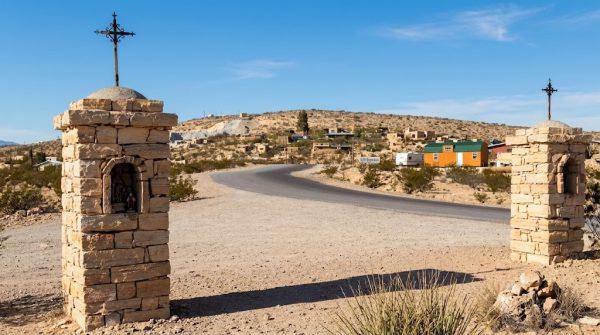
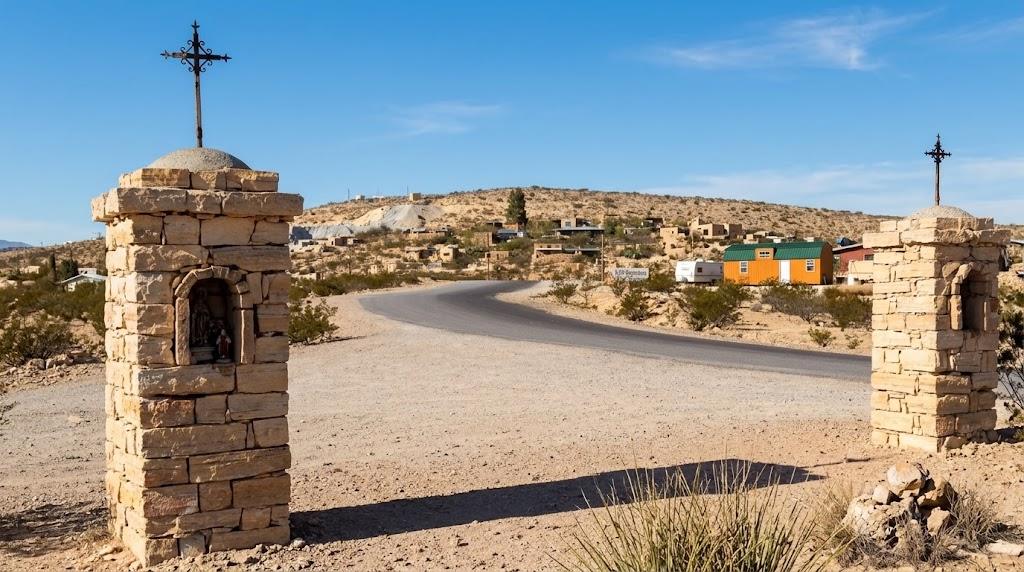
Terlingua: Situated minutes from Big Bend National Park in West Texas, this settlement housed headquarters for the Chisos Mining Company during the early 20th century until flooded mine shafts following World War II and dropping mineral prices transformed the area into one of the state’s most famous forgotten places, recently rebounding through popular glamping experiences 9 h 31 min from Houston.
-
Independence: Established in 1835 in Washington County, 12 mi from Brenham by J. G. W. Pierson, Colbert Baker, Amasa F. Burchard, and Robert Stevenson, this town hosted Baylor University‘s original campus and Sam Houston’s family home; after rail line shifts bypassed the area in the 1880s, institutional moves to Belton and Waco turned this site into one of the most historic Texas ghost towns, leaving behind the Old Independence Cemetery containing burial sites for famous historic figures, located 1 h 25 min from Houston.
-
Lobo: Positioned 100 km northwest of Marfa, this West Texas town sat abandoned starting in the 1990s until a group of German friends purchased the site for private retreats and music festivals, preserving one of the most unique forgotten places with structures such as a motel, grocery store, post office, gas station, restaurant, swimming pool and active water well 9 h 10 min from Houston.
Final decline and evolution of the remaining 5 historic towns
Taking a closer look at the map, the following 5 locations complete the historical record of these historic settlements:
-
Guerra: Situated in Jim Hogg County 32 km from the southern border, this settlement holds the official title for the smallest town in Texas with a current population of just 3 residents according to HomeTownLocator records, standing out among tiny Texas ghost towns while resting 5 h 14 min from Houston.
-
Indianola: Positioned strategically along the Gulf Coast, this booming seaport generated millions in revenue through commercial shipping, banking and hotel trade, becoming one of the most tragic forgotten places after suffering total destruction from consecutive hurricanes that prevented operational rebuilding 2 h 27 min from Houston.
-
Barstow: Founded in 1892 by renowned irrigation engineer George E. Barstow, this agricultural community reached over 1k residents by 1900, collapsing economically in 1918 after Pecos River dam failures and severe droughts ended local farming and transformed the location into one of the most desolate Texas ghost towns, sitting 8 h 10 min from Houston.
-
Winkelmann: Developed less than 8 km east of Brenham across a 5 acre site by developer Ray Winkelmann, who relocated 150 historic buildings to open saloons, plantation homes, schools and general stores, the area fell into foreclosure during the mid 1980s economic downturn before public auctions permanently closed operations by 1994, adding to the state’s list of forgotten places located 1 h 10 min from Houston.
-
Toyah: Established in 1880 as the oldest townsite in Reeves County, this settlement began as a tent city filled with saloons and eateries supporting livestock rail shipments, reaching 800 residents by 1910 and over 1k in 1914 before Great Depression losses cut numbers down to 100 residents by the year 2000, establishing its place among historic Texas ghost towns at 8 h 21 min from Houston.
Forgotten places inspire heritage preservation and cultural value
Without a doubt, protecting historical sites supports sustainable tourism initiatives while backing academic research; for this reason, active partnerships between county historical commissions and private landowners remain essential to prevent physical decay across aging structures in these forgotten places. Furthermore, cataloging old mining shafts, historic cemeteries and abandoned rail corridors protects tangible evidence surrounding state settlement history.
From a broader perspective, recovering local history across these desolate settlements strengthens regional cultural identity and boosts local economies in surrounding rural counties; indeed, visiting historians, photographers, and road trippers generate steady demand for local services, ensuring that foundational stories endure for future travelers exploring Texas ghost towns.
