

WATCH NOW
Watch on the app













Texas family bought a ranch in 1907 and inherited unexpected guests
-
Cave with millions of bats in Texas anchors a family legacy since 1907 and advances regional conservation.
-
Eckert James River Cave shelters millions of bats every summer breeding season.
-
The Nature Conservancy and Bat Conservation International protect the roost and monitor the colony closely.
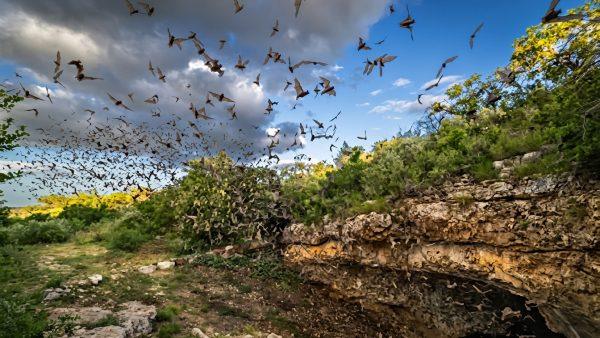
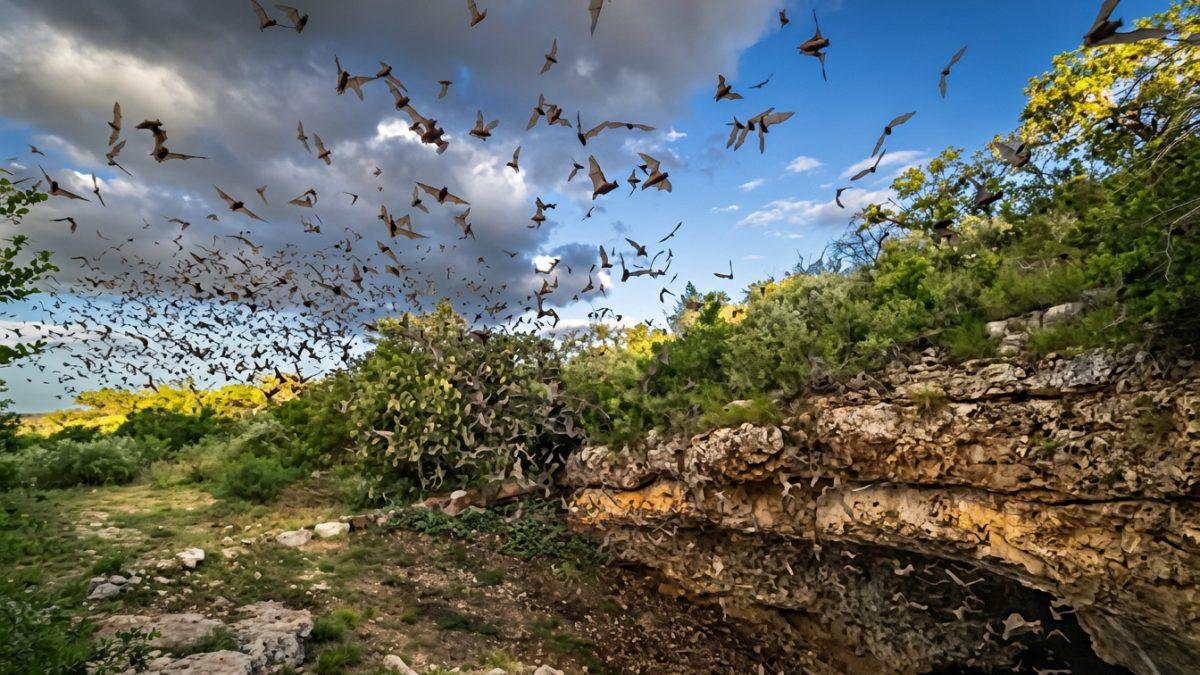
In Texas, a bat cave has been the anchor of a family legacy since 1907, when W. Phillip Eckert bought the ranch around the Eckert James River cave, and this limestone site southwest of Mason gathers about 4 million female Mexican free-tailed bats, Tadarida brasiliensis, every summer before their fall journey south toward Mexico.
Moreover, Texas holds two major bat sanctuaries, as Bracken Cave draws ~15M bats in summer while Eckert James River Cave serves as one of the largest maternity sites in the United States, and the Eckert descendants donated the land in 1990 to The Nature Conservancy and Bat Conservation International to secure permanent protection.
A family legacy protecting a Texas bat cave
W. Phillip Eckert harvested bat guano in the early 20th century to sell as fertilizer to local farmers, and his son Lee Eckert continued that conservation and guano work until his death in 1967, when ownership passed to his wife and children.
Notably, the decisive conservation step arrived in 1990 when Richard Phillip Eckert and Virginia Eckert Garrett donated the cave to The Nature Conservancy and Bat Conservation International with one condition, requiring surrounding lands open in summer so visitors watch the evening emergence as bats fly out to feed, while the site remains a cave with millions of bats that shapes local ecology.
Natural pest control and reserve management
Each Mexican free-tailed bat consumes nearly its own body weight in mosquitoes, corn earworm moths and cutworms during nightly flights across thousands of acres, and The Nature Conservancy states that “given the low reproductive rate of free-tailed bats, a single act of vandalism can destroy an entire colony”.
Equally important, the joint management plan blocks access during the breeding season, regulates summer visitors, welcomes researchers across most of the year and guards the cave entrance, while Bat Conservation International bought Bracken Cave in 1991 along with 1.5K adjacent acres to restore the land, host summer evenings for members and partners and raise funds to open the site to the public in the future, keeping a cave with millions of bats safe from harm.
Key facts on a cave with millions of bats and its ecological impact
-
A Texas bat cave southwest of Mason hosts nearly 4M females each summer at Eckert James River Cave
-
Pups arrive around June, begin flying at 5 weeks and travel with their mothers to Mexico in October
-
Bat Conservation International purchased Bracken Cave and 1.5K acres in 1991, raises funds for public access, and runs member evenings
-
Every bat eats almost its own weight in mosquitoes and crop pests during nightly foraging runs, supporting a cave with millions of bats
Practically speaking, Eckert James River Cave unites over a century of family stewardship since 1907 with steady scientific management that protects wildlife and shields regional crops from damaging pests.