

WATCH NOW
Watch on the app













New York homeowner thought he found old baseballs in his backyard but uncovered a piece of the Ice Age
- Specialists from the New York State Museum and SUNY Orange recovered the first intact mastodon jawbone in over a decade in Orange County.
- A New York homeowner thought he was digging up old baseballs in his backyard, yet found fossilized teeth from a mastodon.
- The backyard discovery opens new studies into the Ice Age in The United States and the region’s past.
From old baseballs to a historic backyard find
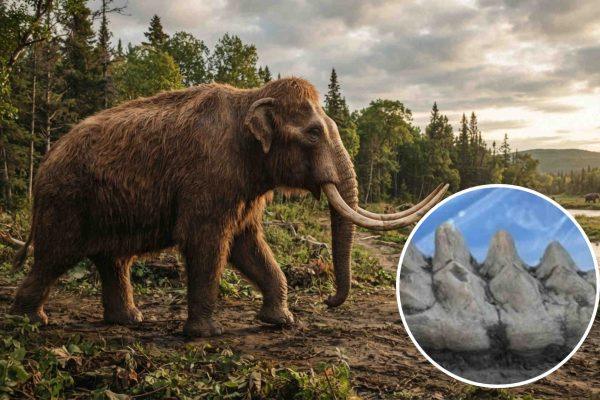
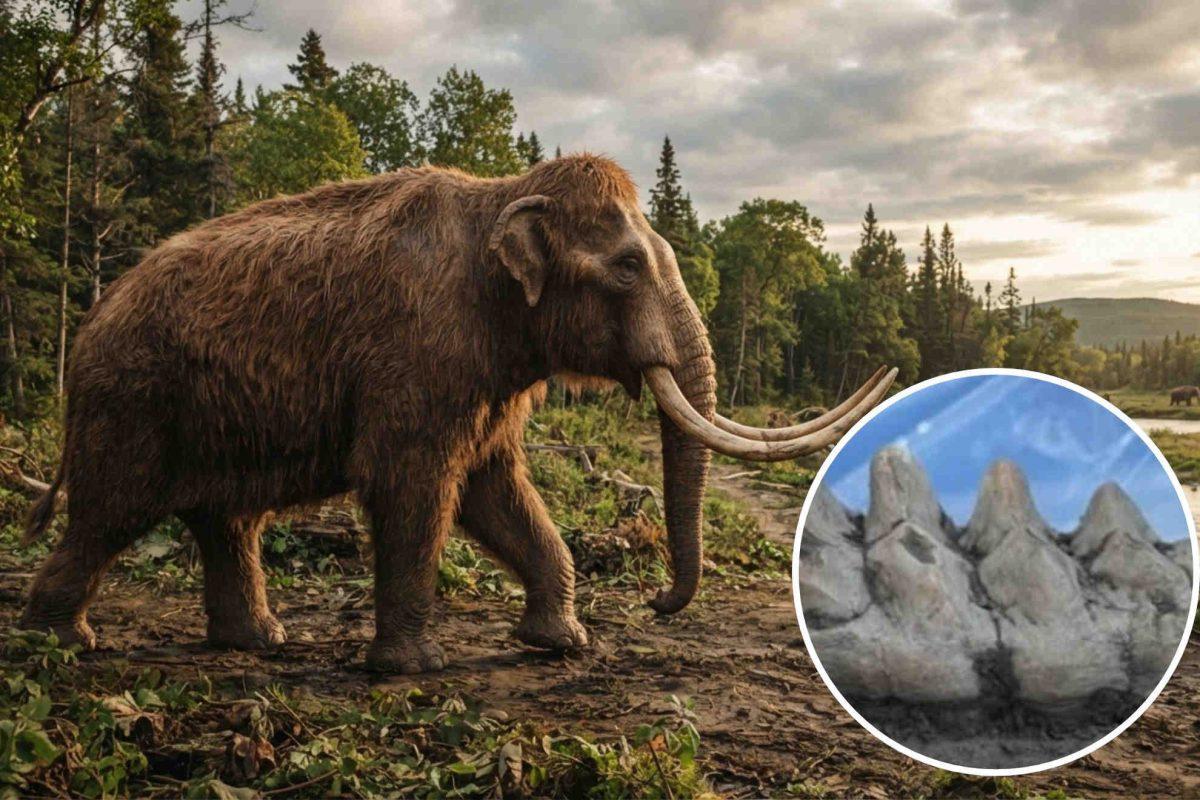
What looked like a regular afternoon doing yardwork near Scotchtown took an epic turn when a New York homeowner spotted two round objects poking through the dirt, thought they were old baseballs caked in grime and ended up unearthing an Ice Age relic that led researchers from the New York State Museum and SUNY Orange to excavate an intact mastodon jawbone.
Plus, this find marks the first intact mastodon jawbone recovered in New York in over a decade, alongside a toe bone and a rib fragment, while officials keep the exact address private to protect the homeowner’s privacy and prevent impromptu digging on the property or in the backyard. Unlike mammoths, which had flat molars with multiple ridges to grind prairie grasses, the American mastodon sported tall, rounded cusps built for crushing branches and woodland plants, a trait that gave the animal its Greek-rooted name and sparks curiosity among families today.
Why Orange County holds so many Ice Age secrets
Now, having this intact mastodon jawbone turn up in a New York backyard fits right into Orange County’s geological history, one of the areas with the heaviest concentration of Ice Age remains in eastern The United States where roughly one-third of the state’s more than 150 mastodon records sit. According to experts, during past glaciations, advancing and retreating ice shaped the Hudson Valley terrain and left depressions that turned into ponds, wetlands and bogs where mud and sediment quickly covered carcasses, slowing oxygen exposure and decay for thousands of years. That way, every fresh dig in Orange County helps scientists better piece together the landscapes where these Pleistocene giants roamed before disappearing roughly 10,000 to 12,000 years ago amid climate shifts, forest changes and human hunting.
Science in Albany and the prehistoric past beneath your feet
On the other hand, while conservators in Albany clean and preserve the intact mastodon jawbone, scientists prepare radiocarbon tests on small bone fragments to pin down its age and isotope analyses on tooth enamel to trace the animal’s diet, water sources and movement. Likewise, that enamel acts as a natural chemical archive holding clues to what the animal ate and drank, adding key data to a discovery that started with two supposed old baseballs in a New York backyard. To wrap things up, this story shows that the Ice Age still pulses beneath the ground across The United States and that a simple stretch of yardwork can uncover an unforgettable prehistoric chapter.