

WATCH NOW
Watch on the app










California releases 62 of North America’s most beautiful snakes into the wild
-
Endangered snakes into the wild return in California after controlled captive rearing and genetic planning across San Mateo County
-
San Francisco Zoo frees 62 young garter snakes while keeping release spots secret to protect vulnerable wildlife from threats
-
Conservation teams track survival rates, restore coastal habitats, and prepare another release for 2027
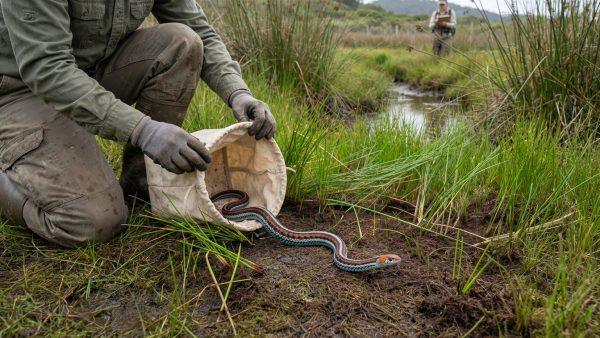
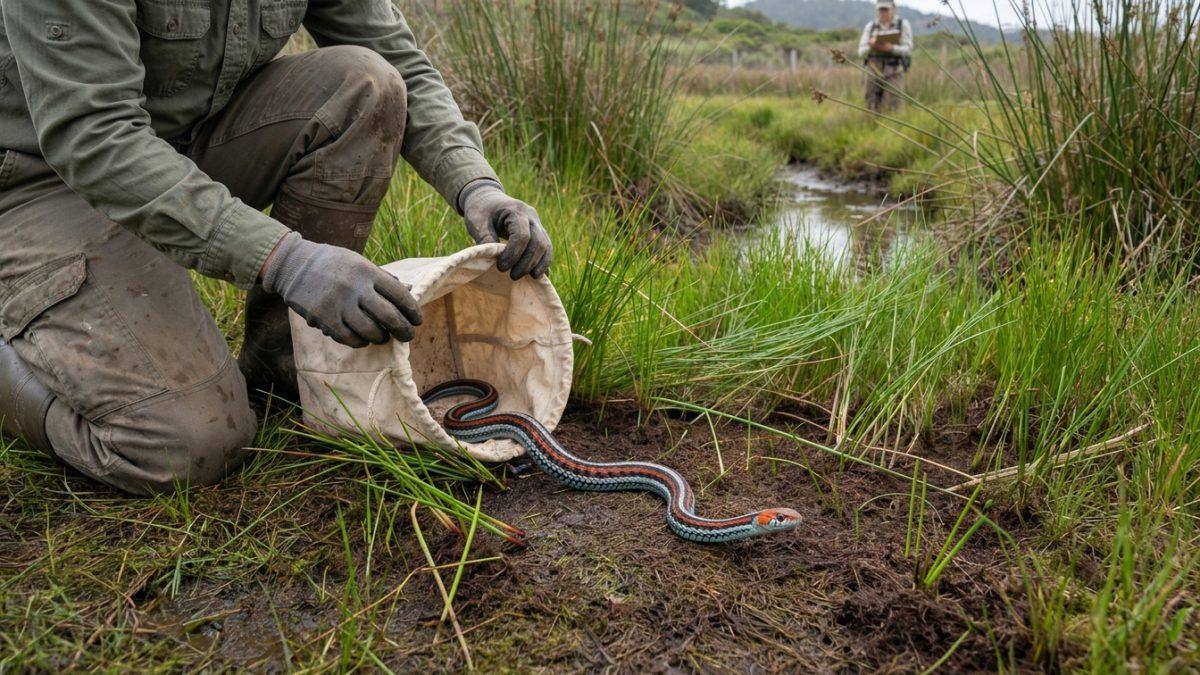
In San Mateo County, California releases 62 snakes of the San Francisco garter subspecies (Thamnophis sirtalis tetrataenia) after the San Francisco Zoo raised them in captivity, keeping exact sites secret to protect these endangered snakes, while biologists from the U.S. Geological Survey captured 11 pregnant females in spring 2025 on a coastal reserve of the Midpeninsula Regional Open Space District for this milestone.
Additionally, the females gave birth that same year before returning to the wild, and the zoo team nurtured the young snakes through their most vulnerable stage, while this subspecies lives only in San Mateo County and a small part of Santa Cruz County with only a few thousand individuals left in the wild.
Controlled rearing and genetic testing on endangered snakes into
The San Francisco Zoo cared for the young snakes in a safe space until they grew large enough to face predators and compete for food, and furthermore the team applied this same vulnerable stage rearing method that already recovered a wallaby population in Australia, supporting endangered snakes into their natural habitats.
Even more notably, the zoo ran genetic tests on each snake before releasing it to guide its placement, sending about one third back to the maternal capture area and assigning the rest to groups with low genetic diversity, while building on experience from the 1990s and joint protocols since 2005 with the San Diego Zoo covering feeding, growth tracking, and parasite control.
Ver esta publicación en Instagram
Threats, habitat restoration and long term goals
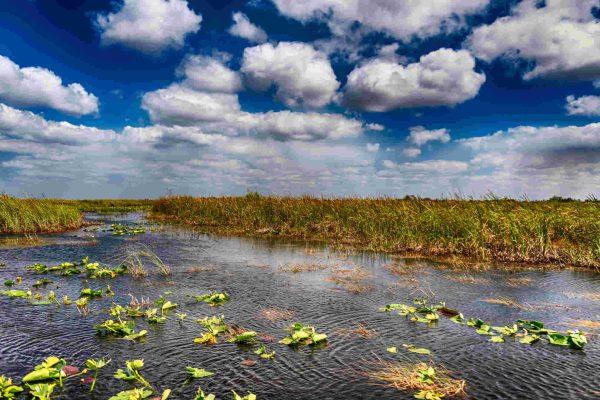
Natural ponds along Skyline Boulevard lost ground between the 1940s and 1960s from drainage and urban development, and furthermore federal officials placed the reptile on the first endangered species list on March 11, 1967, while today these snakes face illegal collection, construction, drought, coastal pond salinization, bullfrogs and largemouth bass that eat both the snakes and their prey, including the threatened California red legged frog.
On the flip side, the Golden Gate National Parks Conservancy and the National Park Service restored 13 hectares of wetlands and coastal habitat since 2004, and furthermore models from the U.S. Geological Survey show that recovery requires at least 10 stable populations of 200 snakes and 15 years of ongoing releases to remove the subspecies from the list, although the announcement leaves unclear the gap between roughly 120 estimated births in 2025 and the 62 snakes released or current survival rates, knowing from a study cited by the U.S. Fish and Wildlife Service that only 2% of born females reach age 5, while protecting endangered snakes into the wild.
Technical voices and highlights of California releases 62 snakes
-
California releases 62 snakes raised in captivity and keeps exact coordinates secret to protect the natural habitat while guiding endangered snakes into the wild
-
Rochelle Stiles, field conservation director at the zoo, explains that a safe environment during the most vulnerable stage gives young snakes a stronger start in nature
-
Laura Patterson, amphibian and reptile conservation coordinator at the California Department of Fish and Wildlife, notes that a survey on an emerging fungal disease guided safe site selection
-
Karine Tokatlian, biologist at Midpen, highlights that bringing these young snakes back reflects years of research, collaboration, habitat restoration, and conservation work, while keeping the exact location secret from collectors, road traffic, and disease
-
Ariel Starr, wildlife ecologist at Midpen, points out that this work and research will also lift other imperiled reptiles, and more than 130 new snakes born at the zoo in 2026 prepare a second release in 2027
In practical terms, California releases 62 snakes with long term recovery in sight, since habitat restoration, genetic testing, veterinary protocols, and new 2026 hatchlings support long term recovery for these endangered snakes in the wild.